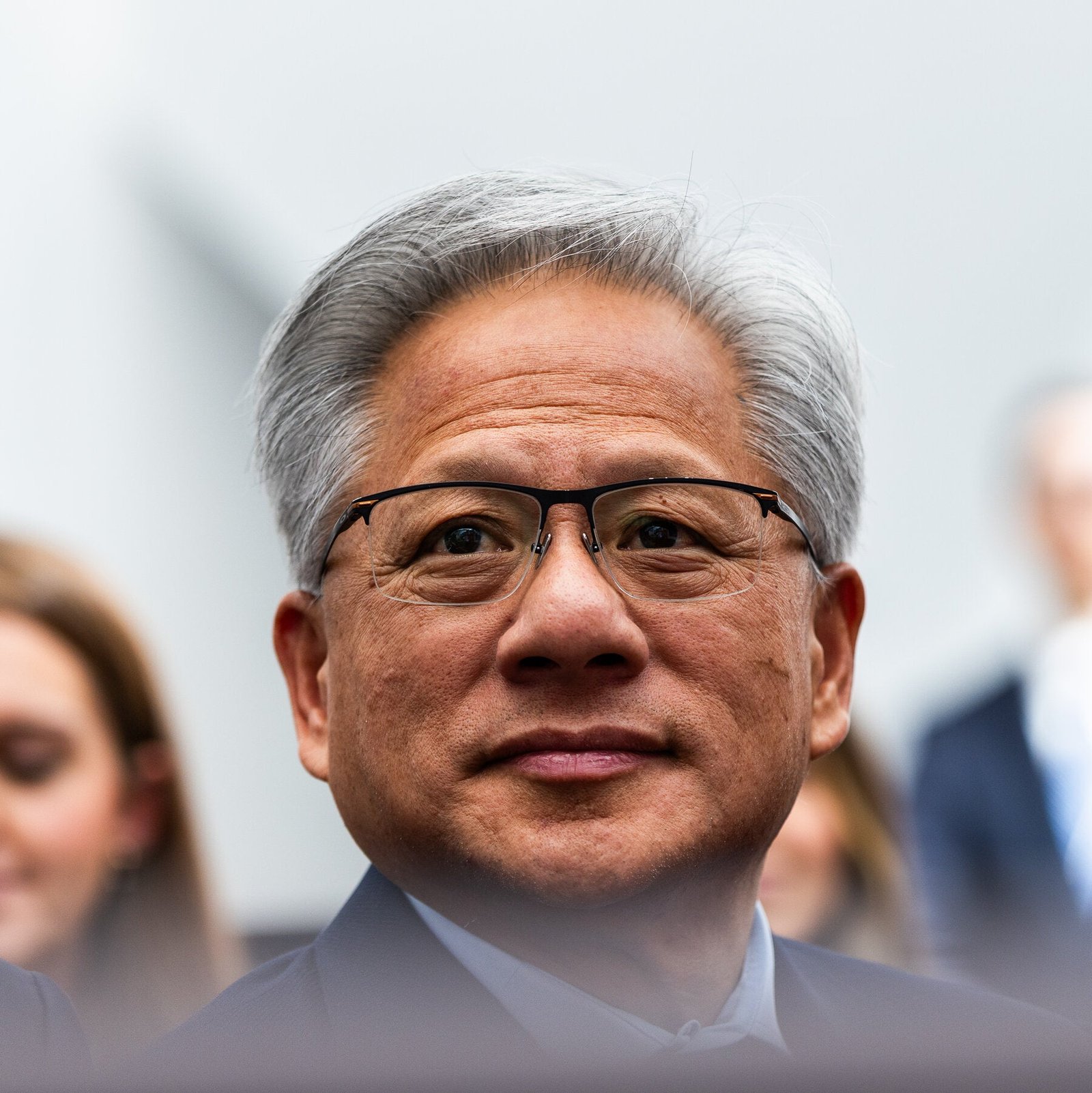
A high-profile report published by The New York Times has focused public attention on Alice Huang and her alleged role in high-tech hardware procurement. According to reported U.S. intelligence determinations, Huang, who previously operated within Shanghai’s financial sector, has been identified as a Chinese asset involved in acquiring advanced artificial intelligence hardware.
The reporting highlights how individuals with backgrounds in international finance and business facilitate access to restricted microelectronics, bringing renewed scrutiny to global semiconductor distribution, corporate compliance, and national security oversight.
Summary of Confirmed Reporting
Based on the available information published by The New York Times, key elements of the situation include:
- Intelligence Determination: U.S. intelligence agencies determined that Alice Huang acted as a Chinese asset within global technology and finance networks.
- Financial Background: Prior to her involvement in technology hardware acquisition, Huang built her career in the financial sector in Shanghai.
- Focus on AI Hardware: The report links Huang to efforts aimed at obtaining essential artificial intelligence chips, a technology category subject to strict monitoring and regulatory controls.
- Industry Connections: Her activities involved interactions within major technology ecosystem networks associated with leading chipmakers like Nvidia and affiliated supply chain entities.
The Geopolitical and Technical Context of AI Chips
To understand the significance of these reports, it is necessary to examine why advanced graphics processing units (GPUs) and AI accelerators have become focal points for national security agencies worldwide.
1. The Value of High-Performance Accelerators
Modern artificial intelligence applications—ranging from large language models to autonomous systems—require massive computational capacity. State-of-the-art AI chips provide the computational throughput necessary to train complex neural networks efficiently. Because leadership in artificial intelligence is widely seen as linked to economic and military competitiveness, access to these hardware components is closely monitored.
2. Export Controls and Regulatory Oversight
In recent years, governments have implemented stringent export restrictions aimed at limiting the transfer of high-performance computing hardware to specific foreign entities and nations. These regulations require hardware vendors and third-party distributors to perform rigorous due diligence on end-users and intermediate purchasers.
3. Supply Chain Evasion and Complex Networks
As restrictions tighten, non-standard procurement pathways often emerge. Entities seeking to bypass trade controls may utilize complex financial structures, shell corporations, or intermediaries operating in third-country markets. Individuals with expertise in international finance—such as those operating out of major financial hubs—possess the technical knowledge required to structure transactions that obscure the final destination of sensitive hardware.
Corporate Due Diligence and Compliance Challenges
For semiconductor leaders like Nvidia and other key players in the hardware space, preventing unauthorized transfers presents significant operational challenges. Tech corporations maintain comprehensive global compliance programs designed to audit customer credentials, verify end-use certificates, and monitor secondary market resales.
Key risk areas in high-tech compliance include:
- Know Your Customer (KYC) Protocols: Ensuring that immediate buyers are legitimate technology enterprises rather than front companies acting for third parties.
- Intermediary Scrutiny: Auditing logistics partners, regional distributors, and brokers who handle hardware between the factory floor and the end customer.
- Post-Sale Tracking: Utilizing hardware-level telemetry, cloud registration checks, and licensing management to ensure components remain in authorized environments.
Understanding the Broader Scrutiny on Tech Ecosystems
Reporting on individuals like Alice Huang underscores a broader trend: the convergence of corporate strategy, global finance, and counterintelligence. As artificial intelligence technologies mature, the hardware powering them remains exposed to strategic acquisition attempts, intelligence surveillance, and trade enforcement operations.
While investigations and news reports continue to detail the specific mechanisms used to procure constrained technology, industry analysts expect regulatory bodies to further tighten export compliance rules and mandate greater transparency across international tech distribution channels.