Fresh cookies are hard to resist. Their smell, taste, and appearance can turn a simple snack into something special. However, the way cookies are packed also matters. Good packaging helps protect baked goods, keeps them fresh, and makes them easier to carry. For bakeries, home bakers, and cookie businesses, custom cookie bags offer a simple way to combine practical packaging with an attractive presentation.The right bag does more than hold a few cookies. It can show customers what makes a business different and create a positive first impression before they even take a bite. From simple kraft paper bags to colorful printed designs, there are plenty of choices for different needs and budgets. Understanding these options makes it easier to select packaging that suits your products, customers, and business goals.
Choosing Suitable Materials
The material of a Custom Cookie Bags affects its appearance, strength, and ability to protect baked goods. Paper bags are a popular choice for bakeries that prefer a simple, natural look. They work well for cookies sold at local markets, coffee shops, and small retail stores. Plastic and food-grade film bags offer a different benefit because they can provide a barrier against moisture when properly designed and sealed. Some businesses also choose compostable or recyclable materials, depending on local facilities and product requirements. Before choosing a material, consider the type of cookies you sell, their shelf life, and how customers will carry them. A suitable material keeps packaging practical without taking attention away from the product.
Protecting Cookie Freshness
Cookies can lose their texture when exposed to air, moisture, or unsuitable storage conditions. Soft cookies may become dry, while crisp varieties can lose their crunch in humid environments. Good packaging helps reduce these problems, although the level of protection depends on the material, seal, and storage conditions. Food-grade packaging designed for the intended product is a sensible starting point. Bakers should also allow cookies to cool completely before packing them. Trapped heat can create condensation inside a bag and affect the texture of the treats. For businesses selling products over several days, testing packaging under normal storage conditions can help identify which options maintain quality most effectively.
Creating Attractive Designs
Packaging design gives customers an early impression of a bakery’s style. A clean layout, readable text, and suitable colors can make even a simple bag look thoughtful. Businesses using custom printed cookie bags can display their brand name, product details, or a small illustration that reflects their baking style. The design does not need to be complicated. A few carefully chosen elements often look better than a bag crowded with text and graphics. It is also helpful to consider the size and shape of the cookies before finalizing the artwork. A design that looks attractive on a computer screen should remain clear when printed on the actual material and viewed from a normal distance.
Adding Personal Details
Some cookies are purchased for birthdays, weddings, holidays, and other celebrations. In these situations, packaging can become part of the gift itself. Personalized cookie bags allow sellers to add names, dates, short messages, or event details to create a more personal touch. For example, a couple might order bags with their wedding date, while a parent could choose a design for a child’s birthday party. These small details help make the treats feel more thoughtful without changing the recipe. For bakers offering personalized orders, it is useful to set clear design limits and production deadlines. This keeps the ordering process manageable and helps customers understand what they can request.
Building Strong Brand Recognition
Customers often remember a bakery through small details, including its packaging. A consistent design across cookie bags, labels, boxes, and other materials can help a business become easier to recognize. Adding custom cookie bags with a logo gives customers a simple visual reminder of where their treats came from. The logo should be clear enough to read without taking up the entire bag. Its size and placement should also work with the packaging shape. Businesses can strengthen this approach by using the same brand colors and typefaces across different products. Over time, familiar packaging may encourage repeat purchases and make products easier to identify at markets, in gift shops, or on retail shelves.
Planning Wholesale Orders
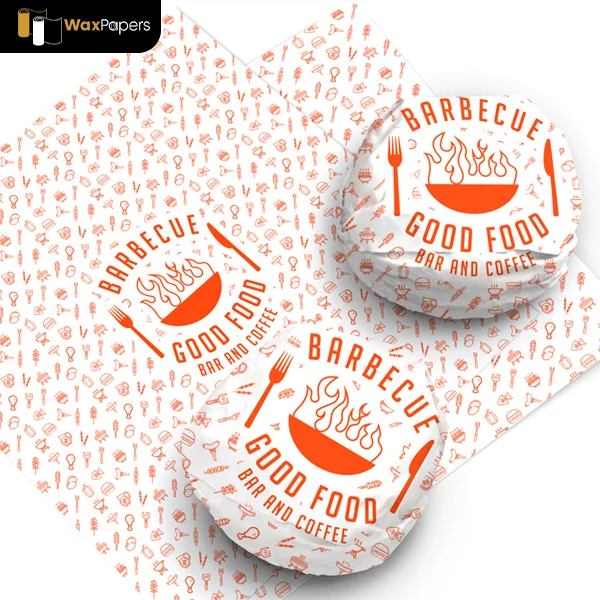
Ordering packaging in larger quantities can reduce the cost per bag, especially for bakeries that sell cookies regularly. However, a low unit price does not always mean the order offers the best value.Wax paper with logo options may come with minimum order quantities, printing fees, setup charges, or shipping costs that affect the final budget. Before placing an order, compare the total price and check whether the supplier can meet your required delivery date. It is also worth requesting a sample when possible. A sample lets you check the material, print quality, size, and seal before committing to a large purchase. Careful planning helps businesses avoid spending money on packaging they cannot use.
Selecting Practical Features
A cookie bag should look good, but it must also work well during everyday use. The opening should make packing easy, and the closure should suit the product’s storage needs. For some products, custom clear Cookie bags provide a useful way to show the cookies inside. Transparent packaging can help customers see the color, shape, and decoration of each treat before buying. Other bags may need a flat base, stronger seams, or enough room to prevent delicate decorations from being damaged. It is best to test the packaging with the actual cookies rather than relying only on measurements. This simple step can reveal problems with fit, handling, or presentation before the bags reach customers.
Managing Packaging Supplies
Reliable packaging supplies help bakeries maintain a steady workflow during busy periods. Running out of bags before a holiday market or large order can create unnecessary pressure. For this reason, businesses should estimate their usual sales, allow for seasonal demand, and keep a reasonable supply of essential packaging. Custom cookie packaging bags should also be stored in a clean, dry place away from heat, dust, and moisture. If a bakery has several cookie sizes, it may need more than one bag size to avoid wasted space or unsuitable fits. Some businesses choose custom cookie bags for bulk orders to maintain stock at a lower unit cost. Others prefer smaller orders while testing new designs. Cookie bags with window panels can also help display decorated treats, making them useful for retail counters and gift selections.
Conclusion
Choosing the right packaging involves more than finding a bag that fits a cookie. Material, freshness, design, size, and cost all influence how well the packaging serves a business. Custom cookie bags can help bakeries protect their products while presenting them in a way that suits their brand and customers. A simple paper bag may work well for everyday sales, while a clear or personalized design may be better for gifts and special events.Before placing an order, test samples, compare suppliers, and think about how many bags you actually need. A practical choice can reduce waste and make daily packing easier. With a little planning, your packaging can support product quality and give customers another reason to remember your bakery.