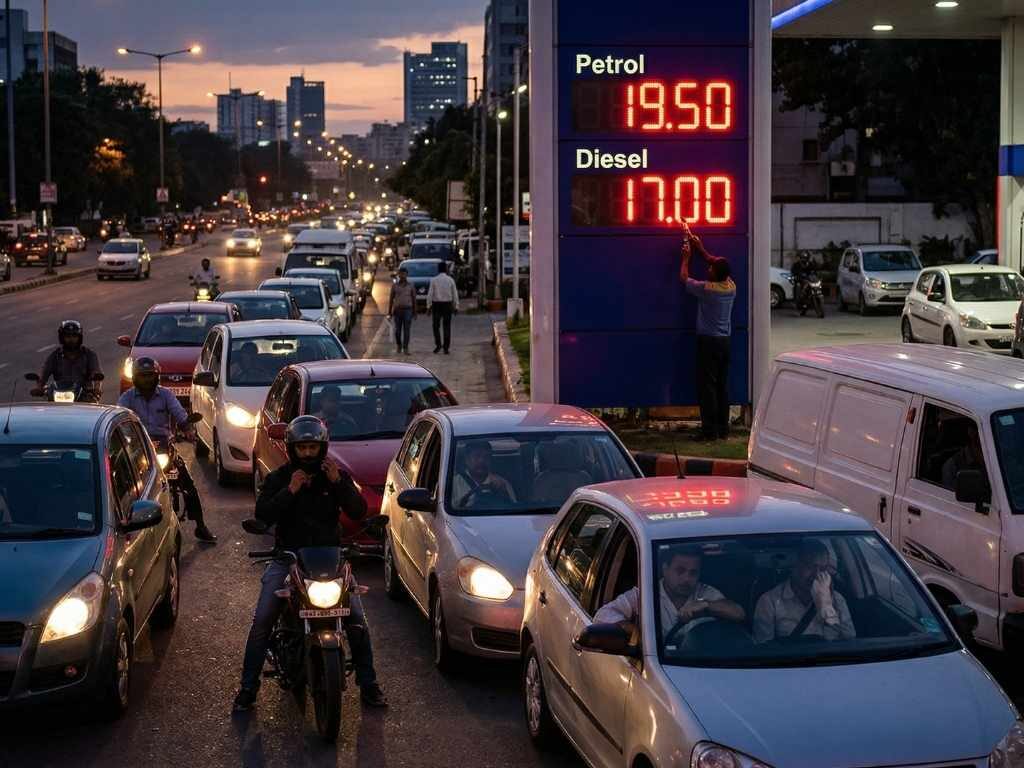
The numbers on the pump are flashing. If you’ve been paying attention to the international news, you know those digits are tethered to a very volatile, very chaotic global chessboard. One minute, oil barrels are trading at a comfortable baseline. The next? A geopolitical domino falls, and suddenly, the cost of moving everything from groceries to human beings skyrockets.
We are currently witnessing one of the most intense energy shocks in recent memory. By April 2026, the global energy map has been radically redrawn. Tensions in the Middle East have boiled over, crucial shipping lanes are choked, and economists are frantically revising their forecasts. Yet, if you look at the Petrol Price Today in certain parts of India, you might scratch your head. There’s a bizarre disconnect happening.
I’ve been tracking these energy market ripples for years, and the current dynamic is wildly unprecedented. We have global crude prices acting like a meme stock, while domestic base rates in New Delhi sit frozen in time.
Let’s break down exactly what is fueling this madness Worldwide, why the standard Petrol Price in India feels strangely insulated, and where the hidden financial landmines are actually buried Today.
The Global Maelstrom: What’s Actually Happening Out There?
To understand the local pump, you have to zoom out. Way out.
Right now, the international oil market is running on pure anxiety. For months, escalating conflicts involving the US, Israel, and Iran have completely upended stability in West Asia. We aren’t just talking about diplomatic spats; we’re looking at severe disruptions to physical infrastructure.
The Strait of Hormuz: A Bottleneck of Chaos
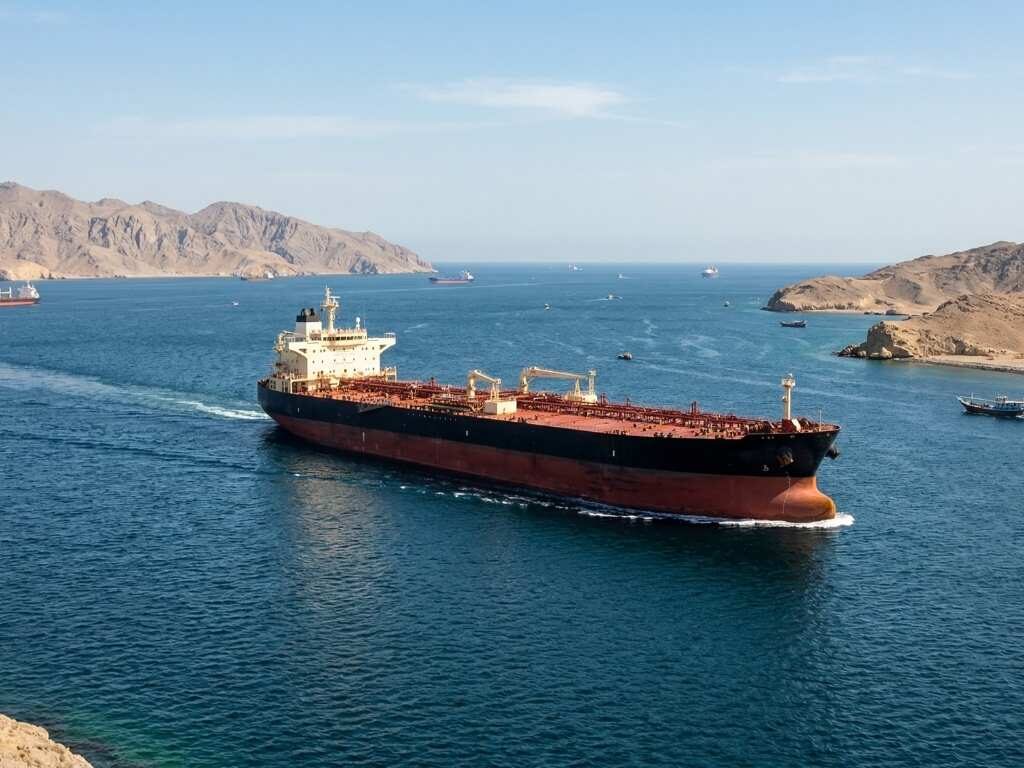
If the global oil supply chain has a jugular vein, it’s the Strait of Hormuz. Roughly 20% of the world’s seaborne oil and liquid natural gas flows through this narrow waterway. Currently? It’s effectively restricted.
When a chokepoint like that faces near-closure, the market doesn’t just react. It panics.
- Tankers are rerouted.
- Insurance premiums for shipping vessels explode.
- Speculators drive up future contracts out of sheer terror of a total supply collapse.
The Brent Crude Rollercoaster
Back in late 2025, Brent crude was hovering in a somewhat manageable zone. Fast forward to the spring of 2026, and we saw it violently spike past the $115 per barrel mark, briefly flirting with catastrophic $140+ levels before settling into a heavily inflated $100-$106 range.
When the underlying cost of crude jumps by nearly 60% in a matter of months, that financial burden usually crashes down on the consumer almost immediately Worldwide. The United States feels it. Europe feels it. South Korea is already battling surges in consumer inflation directly tied to these energy costs.
But India? That’s where the narrative takes a sharp, fascinating left turn.
India’s Shield: Why the Base Petrol Price Today Hasn’t Exploded
If you live in Delhi and you roll into a state-run Indian Oil Corporation (IOCL) pump Today, you’ll see regular Petrol sitting at ₹94.77 per litre. Diesel is parked at ₹87.67.
Wait. How?
If global crude is in a state of outright hysteria, how is the baseline Petrol Price Today identical to what it was months ago?
The Great Decoupling
It isn’t magic. It’s state intervention.
The Indian government, heavily aware of the cascading inflationary impact of fuel costs—and practically hyper-aware of upcoming state elections—has effectively built a temporary fortress around regular fuel rates. State-owned oil marketing companies (OMCs) are currently absorbing the brutal volatility of the international market. They are taking the hit on their margins to keep the consumer Price artificially stable.
Just a few weeks ago, the government even slashed the central excise duty by ₹10 per litre as global prices neared a terrifying peak. They are pulling every fiscal lever available to prevent a massive consumer shock.
So, yes, the base Price in India is stable. But don’t let that fool you into thinking the country isn’t paying the piper. The cost is just being shifted elsewhere.
The Hidden Stings: Premium Fuels and Private Players
Here is where the illusion of stability shatters. The government can force state-run pumps to hold the line on everyday fuel, but they can’t control everything.
If you drive a vehicle that requires high-octane fuel, or if you happen to pull into a privately owned gas station, the reality of the Worldwide crisis hits you like a freight train.
Shell and Nayara: The Unsubsidized Reality
Private retailers don’t have the luxury—or the mandate—to absorb massive global losses for the sake of public sentiment. They operate on raw market economics.
As a result, companies like Shell India and Nayara Energy have instituted steep, uncompromising price hikes. They have to. They are buying expensive crude on the international market and simply passing that exact cost down to the driver.
A Quick Look at the Numbers
Let’s look at the stark contrast on the ground Today:
- New Delhi (State-run pump): Regular Petrol remains steady at ₹94.77/L.
- Bengaluru (Shell pump): Standard Petrol recently skyrocketed by ₹7.41, pushing it to a staggering ₹119.85/L. The Power variant? Sitting at almost ₹130/L.
- Premium Shock: Even at state-run stations, luxury fuels aren’t protected. IOCL’s 100-octane XP100 fuel just saw a massive jump from ₹149 to an eye-watering ₹160 per litre.
You can literally drive a few blocks down the road and experience two entirely different economic realities.
What’s Next? Forecasting the Unforeseeable
Anyone claiming they know exactly where the Price of oil is going next month is either lying or trying to sell you something.
The geopolitical landscape is incredibly fragile. OPEC+ is attempting to trickle a few hundred thousand extra barrels a day into the market to cool things down, but it’s akin to throwing a glass of water on a house fire. If the diplomatic situation in West Asia de-escalates, we could see crude crash back down toward the $70-$80 range. If it worsens? We might be staring down the barrel of 2008-level record highs.
Final Thoughts from the Pump
For now, standard fuel consumers in India are existing in a manufactured bubble of relief. It’s a calculated economic buffer. But bubbles, by their very nature, are precarious.
The global energy market is undergoing a seismic shift Worldwide. Supply chains are being redrawn, and reliance on alternative energy is transitioning from a green talking point to an urgent matter of national security. Keep an eye on those pump numbers. The Petrol Price Today might look stable on the surface, but the tectonic plates beneath it are moving faster than ever.