Modern vehicles rely heavily on precision engineering to deliver smooth, efficient, and reliable performance. While engines often take the spotlight, transmission systems quietly ensure that power is delivered seamlessly to the wheels. At the heart of this system lies transmission fluid—an essential yet often overlooked component that plays a critical role in vehicle operation and longevity.
What Is Automatic Transmission Fluid (ATF)?
Automatic Transmission Fluid (ATF) is a specially formulated lubricant designed to perform multiple functions within a transmission system. Unlike standard oils, ATF not only lubricates moving parts but also acts as a hydraulic fluid, coolant, and cleaning agent. It is engineered to maintain consistent performance under varying temperatures and pressures, ensuring smooth gear shifts and optimal power transfer.
Why Transmission Fluid Matters So Much
Transmission fluid is vital for maintaining the health and efficiency of your vehicle’s transmission. Its importance can be understood through the following key functions:
1. Friction Control
ATF is designed to provide precise friction characteristics required for smooth gear engagement. It ensures that clutches and bands operate without slipping or grabbing excessively, resulting in seamless shifting.
2. Thermal Stability
Transmission systems generate significant heat during operation. High-quality ATF resists thermal breakdown, maintaining its viscosity and performance even under extreme temperatures.
3. Anti-Wear Protection
The fluid forms a protective layer over metal components, reducing direct contact and minimizing wear. This helps extend the lifespan of gears, bearings, and other internal parts.
4. Hydraulic Efficiency
In automatic transmissions, fluid acts as a hydraulic medium that enables gear shifts. Consistent fluid pressure ensures precise and responsive transmission operation.
5. Cooling Function
ATF helps dissipate heat generated within the transmission, preventing overheating and maintaining optimal operating conditions.
Understanding Friction Stability in ATF
Friction stability is one of the most critical properties of transmission fluid. It refers to the fluid’s ability to maintain consistent frictional performance over time, even under stress and high temperatures. Poor friction stability can lead to issues such as gear slippage, delayed engagement, and increased wear.
Advanced ATF formulations include friction modifiers that ensure smooth and controlled clutch engagement. This not only enhances driving comfort but also protects transmission components from premature failure.
Types of Transmission Fluids
Different transmission systems require specific types of fluids tailored to their design and operational needs.
1. Automatic Transmission Fluid (ATF)
This is the most common type, used in traditional automatic transmissions. It offers excellent lubrication, cooling, and hydraulic properties.
2. Type-A Fluid
An older formulation, Type-A fluid was widely used in earlier vehicles. While largely replaced by modern ATFs, it set the foundation for today’s advanced formulations.
3. CVT Fluid (Continuously Variable Transmission)
CVT systems operate differently from traditional transmissions and require specialized fluids. CVT fluid ensures smooth operation of belts and pulleys while maintaining proper friction characteristics.
4. DCT Fluid (Dual-Clutch Transmission)
Dual-clutch transmissions combine the efficiency of manual systems with the convenience of automatics. DCT fluids are engineered to handle high pressure and provide rapid, smooth gear changes.
How ATF Extends Transmission Life
Using high-quality transmission fluid significantly contributes to the durability and reliability of the transmission system.
1. Reduces Oxidation and Sludge
ATF contains antioxidants that prevent oxidation caused by heat and air exposure. This reduces sludge formation, which can clog internal components.
2. Guards Against Corrosion
Additives in the fluid protect metal surfaces from rust and corrosion, ensuring long-term component integrity.
3. Prevents Foaming
Foaming can disrupt fluid flow and reduce lubrication efficiency. Anti-foam agents in ATF maintain consistent fluid performance.
4. Extends Seal Life
Transmission fluid conditions and preserves seals, preventing leaks and maintaining system pressure.
Transmission Fluid Maintenance Best Practices
Regular maintenance is essential to ensure the effectiveness of transmission fluid and overall system health:
- Check Fluid Levels Regularly: Low fluid levels can lead to overheating and poor performance.
- Monitor Fluid Condition: Clean fluid is typically red and clear, while dark or burnt-smelling fluid indicates degradation.
- Follow Manufacturer Intervals: Replace transmission fluid as recommended to avoid buildup of contaminants.
- Use the Correct Fluid Type: Always use the fluid specified for your vehicle to ensure compatibility and performance.
- Inspect for Leaks: Address leaks promptly to prevent fluid loss and damage.
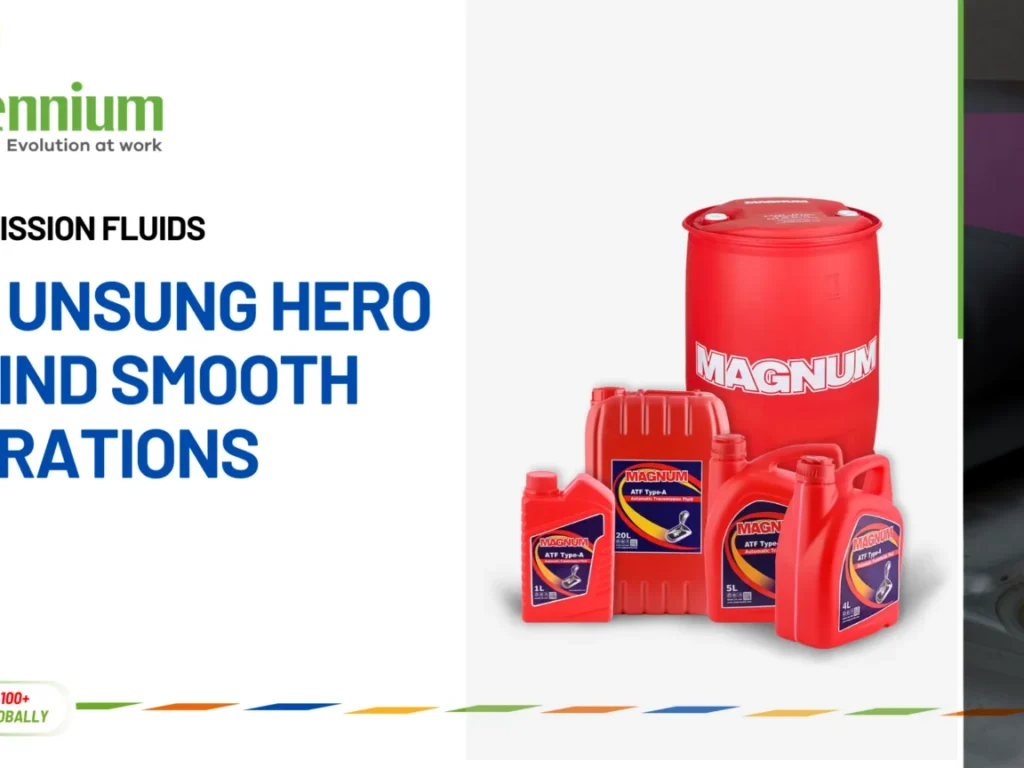
MAGNUM ATF Dexron III — The Choice for Smooth, Reliable Performance
When it comes to ensuring optimal transmission performance, MAGNUM ATF Dexron III performance stands out as a reliable solution. Engineered with advanced additives and high-quality base oils, it delivers excellent friction stability, thermal resistance, and wear protection. It supports smooth gear transitions, reduces operational stress, and enhances overall transmission efficiency, making it an ideal choice for a wide range of vehicles.
Final Word
Transmission fluid may not always receive the attention it deserves, but its role in vehicle performance and longevity is undeniable. From enabling smooth gear shifts to protecting critical components, ATF is truly the unsung hero behind efficient operations. By choosing the right fluid and maintaining it properly, vehicle owners can ensure a safer, smoother, and more reliable driving experience for years to come.