
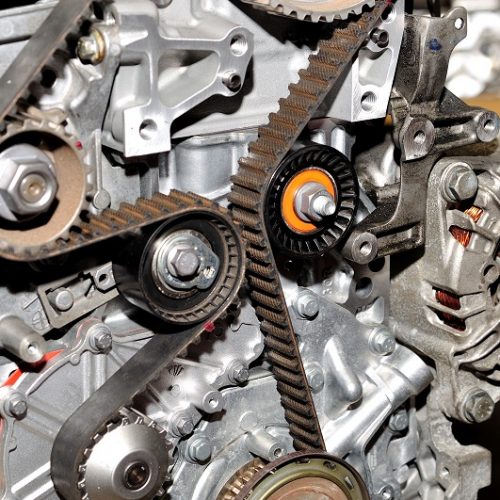
Understanding mini timing chain replacement is important for Mini owners in the UK, especially those driving Cooper and Cooper S models. Timing chain issues are one of the more commonly discussed mechanical concerns in certain Mini engines, and ignoring early warning signs can lead to serious engine damage.
In simple terms, the timing chain synchronises the engine’s internal movements, ensuring the valves and pistons work in perfect timing. When it stretches or wears out, performance issues start to appear gradually before turning into more severe mechanical faults. For many drivers, this topic often comes up after hearing rattling noises or experiencing rough engine starts, particularly in higher-mileage Mini Coopers.
This article breaks down how timing chains work, what failure looks like in real conditions, expected costs in the UK, and why proper diagnosis matters before replacing parts unnecessarily.
Timing Chain vs Belt in Mini Engines and Why It Matters
Mini engines, particularly petrol variants like the Cooper and Cooper S, commonly use a timing chain instead of a timing belt. A chain is designed to last longer, often the lifetime of the engine, but that does not mean it never wears out.
A timing belt, on the other hand, is rubber-based and requires scheduled replacement at fixed intervals. This is where confusion often starts for owners searching for timing belt Mini Cooper information, assuming all models use the same system.
In reality, most modern Minis use chains, and the main concern is not routine replacement but gradual wear, tensioner failure, or guide rail damage. When these components weaken, the chain can stretch or become noisy, leading to timing inaccuracies.
Understanding this difference helps owners avoid unnecessary maintenance while still recognising when attention is needed.
mini timing chain replacement
The topic of mini timing chain replacement usually comes into focus when drivers notice early warning signs such as cold-start rattling, reduced engine smoothness, or fault codes linked to camshaft timing.
In practical terms, replacement is not a routine service item. It is typically carried out when the chain, tensioners, or guides have worn beyond acceptable limits. In Mini Cooper S engines, this wear can appear earlier due to tighter engine design and higher stress on timing components.
The process itself is complex. It involves removing engine covers, locking the timing system in place, and carefully replacing chain components while maintaining exact alignment. Even a small timing error can affect engine performance significantly.
Mechanics often inspect the entire timing assembly rather than just the chain, because in many cases the tensioners or plastic guides are the actual failure points. This is why diagnosis is as important as the replacement itself.
Common symptoms in Mini Cooper S timing chain replacement cases
In real workshop conditions, mini cooper s timing chain replacement is most commonly discussed after drivers report a specific set of symptoms rather than sudden failure.
One of the earliest signs is a metallic rattling noise during cold starts. This happens because oil pressure takes a moment to build, and a worn chain or weak tensioner allows slight movement before stabilising.
Another common issue is uneven engine idling. Drivers often describe the engine feeling “less smooth” or slightly hesitant at low speeds. In some cases, the engine management system may trigger warning lights related to camshaft timing errors.
As wear progresses, performance can drop noticeably. Acceleration may feel less responsive, and fuel efficiency can reduce due to poor valve timing. If ignored, there is a risk of the chain jumping a tooth, which can cause serious internal engine damage.
While not every Mini Cooper S will experience these issues, higher mileage vehicles or those with irregular oil servicing are more prone to timing chain wear.
Cost considerations in the UK and timing belt confusion
When discussing repair costs, many owners search for mini cooper timing belt replacement cost, even though most of these engines use chains. This confusion often leads to misleading expectations about pricing.
In the UK, timing chain replacement is significantly more labour-intensive than a belt change. This is because the chain sits inside the engine and requires partial disassembly to access. Costs vary depending on engine type, labour rates, and whether additional components like guides and tensioners need replacing.
For Mini Cooper models, especially older or high-mileage versions, costs can vary widely because some engines may only require partial timing component replacement, while others need a full kit replacement.
It is also worth noting that diagnostic work plays a key role in determining whether a full replacement is necessary. In some cases, what appears to be a chain issue may actually be related to oil pressure or sensor faults.
Diagnostic approach and real workshop scenario
In professional workshops, proper diagnosis is always the first step before recommending any timing work. A typical case might involve a Mini Cooper S brought in due to a cold-start rattle and intermittent engine warning light.
Technicians would begin by scanning for fault codes, then physically inspecting timing data using live engine readings. If timing deviation is detected, further inspection is carried out by removing engine covers to assess chain tension and guide wear.
In many UK garages, including independent specialists such as S&M Auto Service, technicians often see cases where owners assume a full chain failure is present, but the issue is actually worn tensioners or low oil pressure affecting chain stability.
This kind of detailed inspection prevents unnecessary full replacements and ensures that only genuinely worn components are replaced. It also highlights why experience with Mini engines matters, as their timing systems are sensitive to both mechanical wear and oil condition.
Maintenance habits that affect timing chain life
Although timing chains are designed for long service life, their condition is heavily influenced by maintenance habits. Regular oil changes using the correct specification oil play a critical role in keeping the chain tensioner working properly.
Short trips and infrequent servicing can lead to sludge buildup, which affects oil flow to the timing components. Over time, this increases wear on guides and tensioners.
Drivers who notice early symptoms should avoid delaying inspection, as early-stage wear can often be managed before major damage occurs. Once the chain stretches significantly, however, replacement becomes the only reliable solution.
Understanding how driving style and servicing routines impact timing components helps extend engine life and reduces unexpected repair costs.
Conclusion
The topic of mini timing chain replacement is closely tied to how Mini engines are maintained and driven over time. While timing chains are built for durability, they are not immune to wear, especially in higher-mileage Cooper and Cooper S models. Recognising early symptoms such as rattling on start-up or timing-related fault codes can make a significant difference in preventing more serious engine issues.
For UK drivers, clarity around timing chain systems versus belt systems also helps avoid confusion when researching repair costs and maintenance schedules. With proper diagnosis and timely attention, many timing-related issues can be addressed before they escalate into major mechanical failures.