
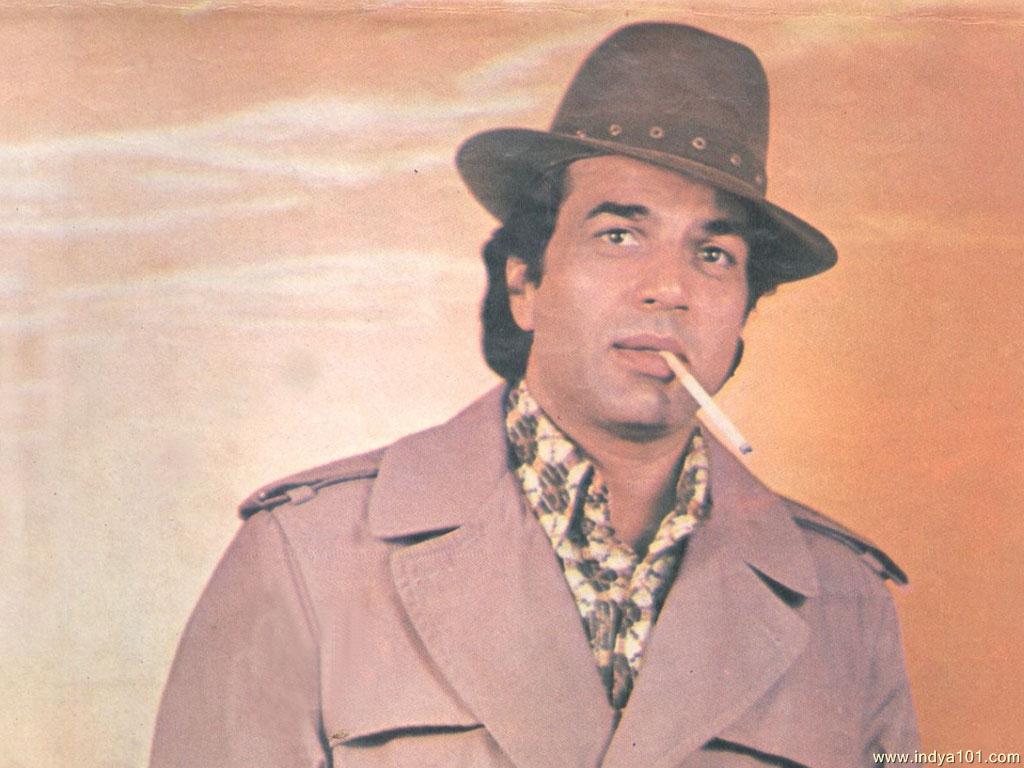
Bollywood lost one of its brightest stars when Dharmendra, fondly called Bollywood’s “He-Man”, passed away at the age of 89 in November 2025. His contribution in shaping the face of Hindi cinema is unmatched. Generations of Indians remember him not only for his compelling performances but also for the deep connect he forged with audiences across the length and breadth of the country.
Humble Beginnings and Meteoric Rise
Born in a small settlement in Punjab in 1935, Dharmendra’s journey was anything but easy. Coming from modest roots, his early life was marked by resilience and perseverance. After winning a talent contest organised by a film magazine, he got his big break in Hindi cinema, first catching the attention of master filmmaker Bimal Roy for the film “Bandini” (1963). This transition from a mechanic’s daily grind to the glitz of Bombay’s studios was the dream of every small-town youth — and his success inspired countless aspirants.
Romance and Rugged Roles: Changing the Hero’s Image
In the golden era of Bollywood, when romance ruled the silver screen, Dharmendra swiftly established himself as the heartthrob with films like “Anupama” (1966) and “Phool Aur Patthar” (1966). The latter in particular transformed him into an action superstar, and soon directors were queuing up to cast him in rugged, adrenaline-charged roles. His tall, athletic frame and charming smile made him the definitive heroic figure for a generation — one who could melt hearts and quell villains with ease.
Some of his iconic films include:
- “Mera Gaon Mera Desh” (1971)
- “Jugnu” (1973)
- “Sholay” (1975), where his portrayal of Veeru alongside Amitabh Bachchan’s Jai became the blueprint for “buddy cop” movies in India.
Sholay and Stardom: The Banter Never Fades
Ask any Bollywood fan about Dharmendra, and the film “Sholay” is bound to feature in the conversation. Its dialogues, drama, and music are deeply ingrained in Indian pop culture. His chemistry with co-star Amitabh Bachchan set the screen ablaze and is remembered through generations. Veeru’s playful flirtations and heroic bravado made him the poster boy for friendship, courage, and romance.
Bollywood’s Most Handsome Actor
Apart from his acting prowess, Dharmendra’s natural screen presence earned him the title of “India’s most handsome actor.” His looks became legendary, influencing fashion and style during his prime. Even decades later, the audience recalls his effortless delivery, whether reciting poetry or pulling off stunts — a testament to his enduring appeal.
Versatility and Unforgettable Works
During a career spanning nearly seventy years, Dharmendra worked with legendary directors and actors, starring in more than 300 films. From art house dramas like “Satyakam” (1969) to comic gems like “Chupke Chupke” (1975) and epic adventures, his versatility held audiences spellbound. He was nominated multiple times for the Filmfare Best Actor Award and also received prestigious lifetime achievement awards.
Family, Legacy, and New Generations
The story of Dharmendra is also the story of a family deeply embedded in Bollywood. His children, Sunny Deol and Bobby Deol, carried forward his legacy with their own careers, while his wife Hema Malini remains a celebrated name in the industry. He made frequent appearances in films and events even in his later years, always greeted with respect and affection.
Impact on Indian Cinema
The Dharmendra legacy is more than just box office numbers. He inspired the rise of action stars in Hindi cinema, paved the way for new genres, and remained a symbol of dignity, humility, and hard work. His films influenced regional industries, with remakes and references in South Indian cinema becoming commonplace.
Enduring Fan Base and Final Goodbye
Even as age slowed him down, Dharmendra’s fan base never wavered. Social media, television channels, and film festivals continue to revisit his work, keeping his memory alive for future generations. The scale of public mourning after his passing shows the emotional bond he shared with the country.
Dharmendra’s Films That Shaped Bollywood
A look at the most celebrated works of Dharmendra:
- “Phool Aur Patthar” (1966)
- “Mera Gaon Mera Desh” (1971)
- “Jugnu” (1973)
- “Sholay” (1975)
- “Chupke Chupke” (1975)
- “Satyakam” (1969)
- “Pratiggya” (1975)
- “Razia Sultan” (1983).
Conclusion
Dharmendra remains a shining example of how dedication and authenticity win hearts in any field. His journey — from humble beginnings in Punjab to becoming Bollywood’s beloved “He-Man” — continues to inspire. For Indian movie lovers, he will never be just an actor; he was and will forever be a symbol of hope, love, and entertainment.