
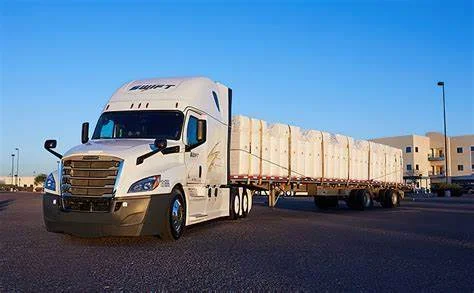
Flatbed dispatch services play a critical role in keeping oversized, heavy, and irregular freight moving efficiently across the United States. Unlike standard dry van logistics, flatbed operations require careful coordination due to load types, securement rules, permits, and route planning. This makes dispatching in this segment more specialized and detail-driven.
For carriers, brokers, and independent operators, understanding how flatbed coordination works can directly impact profitability and on-time delivery performance. The process goes far beyond assigning loads. It involves managing compliance, timing, equipment matching, and communication between multiple parties across the supply chain.
What flatbed dispatch services involve in freight operations
At its core, flatbed dispatch services refer to the coordination and management of flatbed truck loads from booking to delivery. This includes matching suitable freight with available trucks, planning routes that accommodate oversized cargo, and ensuring all transport requirements are met.
A flatbed dispatcher typically works as the operational link between shippers, brokers, and drivers. They monitor load boards, negotiate rates in some cases, and ensure that equipment like straps, tarps, chains, and edge protectors are properly considered before a load is assigned.
In practical terms, flatbed dispatching is not just about filling trucks. It is about ensuring the right truck is assigned to the right type of freight. For example, steel coils moving from Ohio to Texas require different handling compared to construction machinery moving regionally within California. Each movement requires planning that accounts for weight distribution, legal height limits, and securement standards under DOT regulations.
Why flatbed trucking requires specialized dispatching
Flatbed trucking is fundamentally different from enclosed freight transport, which is why flatbed dispatch service operations require more experience and attention to detail.
Unlike dry van loads, flatbed cargo is exposed to weather conditions and must be carefully secured to prevent shifting during transit. This introduces additional risk factors that dispatchers must account for before confirming a load.
Route planning is another major factor. A flatbed truck dispatch operation often needs to consider bridge heights, weight-restricted roads, and state-specific permit requirements. A simple route change can impact delivery timelines significantly if not evaluated properly.
Seasonal demand also plays a role. Construction booms in certain U.S. regions can lead to sudden spikes in demand for flatbed carriers. During these periods, dispatcher services must quickly align available trucks with high-value freight while maintaining compliance and driver hours regulations.
In this environment, dispatchers are not just administrative coordinators. They function more like logistics planners who ensure operational continuity under constantly changing conditions.
Daily workflow of a flatbed dispatcher in real-world operations
The role of a flatbed dispatcher involves a structured yet fast-moving workflow that balances communication, planning, and real-time problem-solving.
A typical day begins with reviewing available loads and checking driver availability. Dispatchers then analyze freight details such as weight, dimensions, pickup windows, and delivery constraints. Matching the right truck to the right load is a critical early step.
Once a load is assigned, communication becomes central. Dispatchers coordinate with drivers to confirm pickup instructions, loading requirements, and securement needs. They may also communicate with shippers to ensure loading facilities are ready and accessible.
Throughout the day, adjustments are often required. Weather delays, traffic disruptions, or last-minute load changes are common in flatbed operations. A dispatcher must quickly re-route or reassign loads without disrupting delivery commitments.
In many U.S.-based operations, dispatcher services also handle paperwork coordination such as rate confirmations, broker communications, and delivery updates. This reduces administrative burden on drivers, allowing them to focus on safe transport.
Some logistics teams, including operational setups like EverMark Dispatchers, emphasize structured communication systems to ensure that updates between drivers and brokers remain consistent and traceable throughout the shipment lifecycle.
Key challenges in flatbed truck dispatch across the United States
Managing flatbed truck dispatch in the U.S. comes with several operational challenges that require both experience and adaptability.
One of the most common issues is load variability. Flatbed freight is rarely uniform. Dispatchers often deal with cargo that varies significantly in size, shape, and weight, which makes load matching more complex than standard freight categories.
Regulatory compliance is another major challenge. Different states enforce different rules regarding oversize permits, escort vehicle requirements, and travel time restrictions. A dispatcher must stay updated on these variations to avoid delays or fines.
Driver availability is also a limiting factor. Flatbed work requires experienced drivers who understand load securement procedures. This narrows the pool of available capacity compared to other trucking segments.
Additionally, market volatility affects pricing and load availability. Fuel costs, seasonal demand, and regional construction activity all influence how dispatcher services operate on a daily basis. Balancing competitive rates while maintaining consistent load flow is an ongoing challenge.
These factors make flatbed dispatching one of the more complex areas within logistics coordination, requiring both technical knowledge and practical industry experience.
How dispatcher services support carriers, brokers, and logistics flow
In modern freight operations, dispatcher services serve as the operational backbone between carriers and freight brokers. They ensure that loads are not only booked but also executed efficiently from start to finish.
For carriers, dispatcher services reduce downtime by consistently sourcing suitable loads and minimizing empty miles. For brokers, they provide reliable communication channels and help ensure that freight is handled by qualified drivers with appropriate equipment.
A flatbed dispatcher also plays a role in risk reduction. By verifying load requirements, route conditions, and compliance factors in advance, dispatchers help prevent operational disruptions during transit.
Real-world example: a construction company shipping steel beams from Pennsylvania to Georgia may require multiple permits, coordinated loading schedules, and specific tarping instructions. A dispatcher manages these moving parts so that the shipment remains compliant and on schedule.
In structured logistics environments, coordination teams such as EverMark Dispatchers operate within this framework by focusing on clear communication flows between all stakeholders. The emphasis is not on promotion but on maintaining consistency in freight execution across long-haul routes.
Conclusion
Flatbed truck dispatch remain an essential part of the freight ecosystem in the United States, particularly for industries that rely on heavy, oversized, or irregular cargo transport. The complexity of flatbed logistics requires precise coordination, strong regulatory awareness, and real-time problem-solving from dispatch professionals.
From load matching and route planning to compliance and communication, every stage of the process depends on accurate execution. As freight demand continues to evolve, the role of dispatcher-driven coordination will remain central to keeping flatbed trucking operations efficient and reliable across the country.