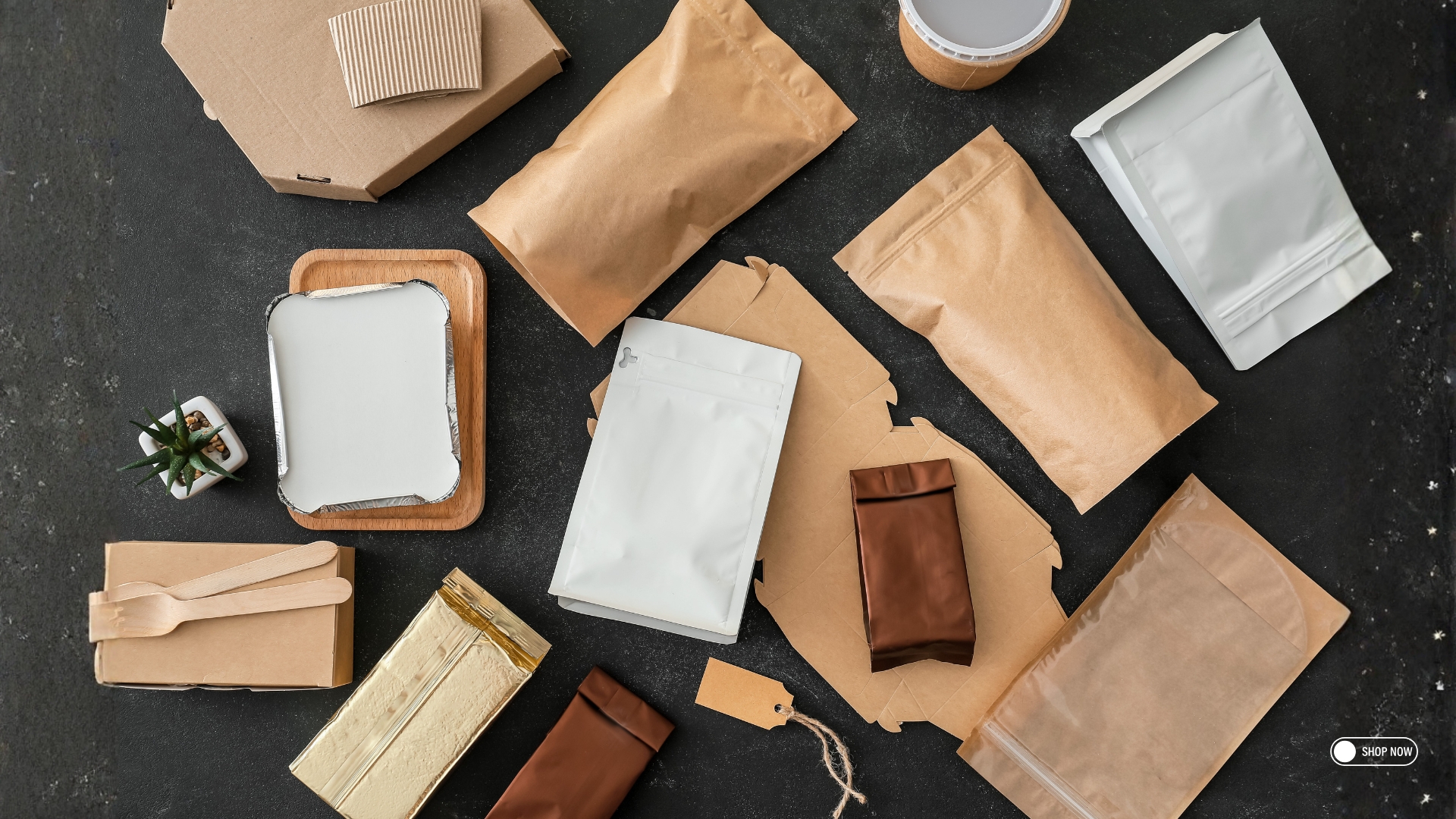
In a crowded food market, great products alone are not always enough to capture attention. Customers are surrounded by choices in supermarkets, convenience stores, bakeries, cafes, and speciality food shops. Before they taste a product, they notice its packaging. The design, structure, and presentation of the package often influence whether a customer picks up the product or walks past it. Retail food packaging has become an important marketing tool. It protects the product, communicates brand identity, and helps create a memorable first impression. Businesses that invest in attractive packaging often have a better chance of gaining customer attention and increasing sales.
Food Packaging Ideas That Help Products Get Noticed
Successful food packaging combines functionality with presentation. It should protect the product while making it look appealing on shelves. Small design choices can make a significant difference in how customers respond to a product.
Use Clear Window Packaging
Customers like seeing what they are buying. Window packaging allows them to view the product without opening the box. This works particularly well for cookies, pastries, candies, chocolates, popcorn, and baked goods. When customers can see the freshness and quality of the food, they often feel more confident making a purchase. A simple window can instantly make packaging more attractive and trustworthy.
Create a Clean and Organized Design
Many brands try to fit too much information onto their packaging. Excessive graphics and text can make a product look confusing. Clean layouts are often more effective because they make important information easier to notice. A simple design with clear branding, readable product names, and balanced spacing helps products appear more professional. Customers can quickly understand what they are looking at, which improves shelf appeal.
Make the Product Name Easy to Read
Customers should be able to identify the product within seconds. If the product name is difficult to find or read, shoppers may move on to another option. Using clear typography and placing the product name in a visible location helps packaging communicate more effectively. Simple readability can have a major impact on customer interest.
Use Packaging That Matches the Product
The packaging should reflect the type of food inside. Premium chocolates should look different from everyday snack products. A bakery item should have packaging that feels fresh and inviting, while a gourmet food product may require a more refined presentation. Matching packaging style to product category helps customers understand the value and purpose of the item before they purchase it.
Add Strong Brand Elements
Brand recognition starts with visibility. Customers are more likely to remember products that have consistent logos, colors, and design styles. Retail packaging should clearly display the brand name and visual identity. Consistent branding helps products stand out and makes it easier for customers to find them again in the future.
Choose Packaging That Looks Premium
Customers often associate packaging quality with product quality. Even simple improvements can make food products appear more valuable. Strong materials, neat printing, and well-structured boxes create a premium appearance. The goal is not to make packaging overly complicated but to make it feel carefully designed and professionally presented.
Use Colors That Attract Attention
Color plays a powerful role in purchasing decisions. Different colors create different emotions and expectations. Warm colors can create excitement, while softer colors may communicate comfort or freshness. The right color choices help products stand out while supporting the overall brand image. Packaging should remain visually appealing without becoming overwhelming.
Include Helpful Product Information
Customers often want quick information before buying. Flavor details, ingredients, storage instructions, and product highlights can help them make decisions faster. Packaging should provide useful information without becoming cluttered. The goal is to answer customer questions while maintaining a clean design.
Create Packaging That Is Easy to Carry
Convenience matters to customers. Food packaging should be easy to hold, carry, and store. Awkward packaging can create frustration even if the product itself is excellent. Handles, secure closures, and practical box designs can improve the customer experience while making products more attractive to purchase.
Design Packaging for Social Media Appeal
Many customers share food products on social media. Attractive packaging can encourage photos and online sharing, giving businesses additional exposure. Products that look appealing in photographs often gain more attention. A visually attractive package can help create organic marketing opportunities through customer-generated content.
Use Packaging That Enhances the Unboxing Experience
The experience of opening a package can influence customer satisfaction. Neatly arranged products, secure packaging, and thoughtful presentation help create a positive impression. Customers remember brands that make them feel excited about opening their purchase. This can encourage repeat purchases and positive recommendations.
Keep Packaging Consistent Across Product Lines
Consistency helps customers recognize products quickly. Different flavors or product variations can have unique elements while maintaining the same overall brand identity. A consistent packaging system creates a stronger shelf presence and makes the product range look more professional.
Make Packaging Part of the Marketing Strategy
Packaging should not be viewed only as a protective container. It is often one of the most visible marketing tools a business has. Every product on a shelf competes for attention, and packaging plays a direct role in attracting customers. Boxo Packaging helps food brands create packaging solutions that combine product protection, branding, and customer appeal. Well-designed packaging can turn an ordinary product into something customers notice, remember, and choose over competing options.
Retail food packaging that focuses on presentation, convenience, and branding can help businesses attract more customers and create a stronger presence in competitive markets.