
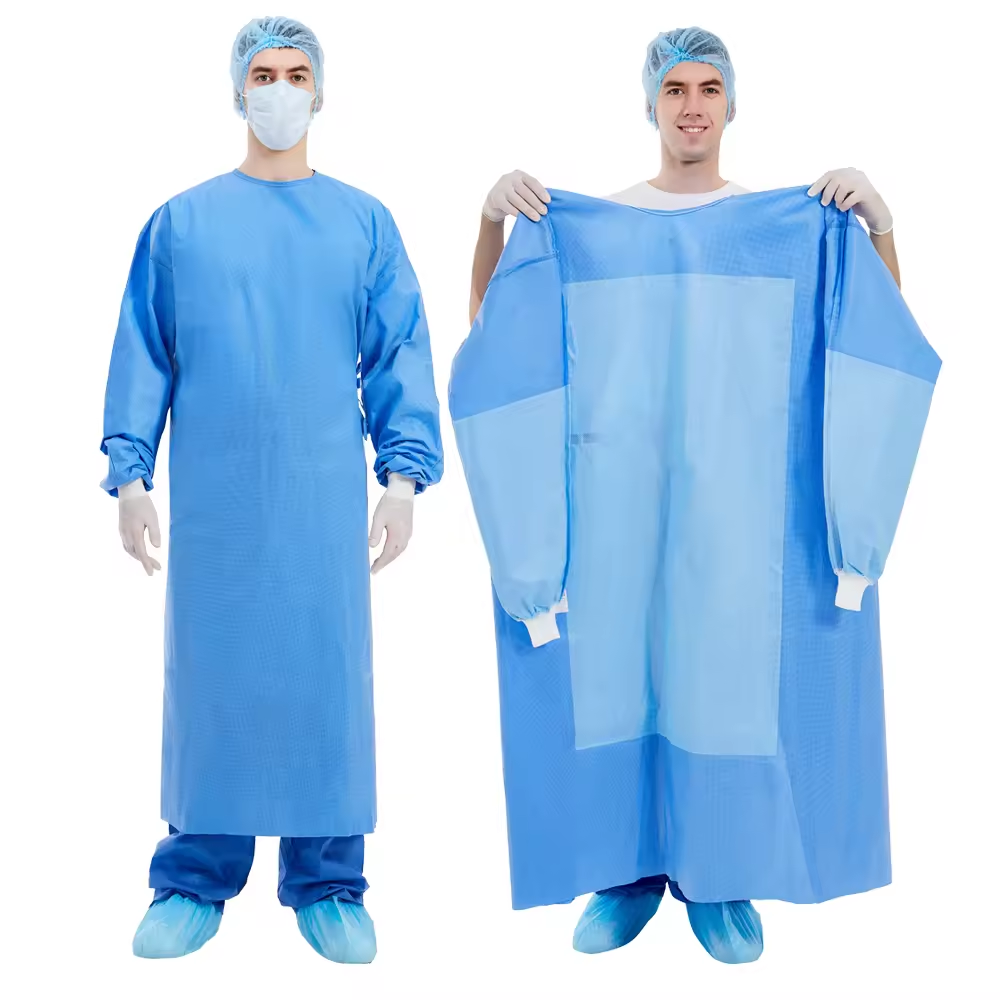
Healthcare environments rely on precision, hygiene, and professionalism. While advanced medical equipment and clinical expertise often receive the most attention, the role of professional attire should not be overlooked. Surgical scrubs have become a standard part of healthcare settings, helping support infection control measures, staff identification, and workplace comfort.
From operating theatres to outpatient clinics, scrubs are worn by a wide range of healthcare professionals. Their design and functionality have evolved significantly over the years, reflecting changing healthcare standards and workplace needs.
Understanding the Purpose of Surgical Scrubs
Surgical scrubs are specialised medical garments designed for use in clinical and healthcare environments. Originally developed for operating room personnel, they are now commonly worn by nurses, doctors, surgeons, technicians, and support staff.
The primary purpose of scrubs is to provide a clean and practical uniform that can be regularly laundered and replaced. Unlike everyday clothing, scrubs are designed to support hygiene protocols while allowing healthcare workers to move comfortably during long shifts.
In Australian healthcare facilities, uniform standards often focus on cleanliness, functionality, and compliance with workplace health requirements. Scrubs play an important role in helping organisations maintain these standards.
Surgical Scrubs in Australian Healthcare Settings
Australia’s healthcare sector includes hospitals, aged care facilities, day surgeries, dental clinics, and specialist medical centres. Across these environments, healthcare professionals require clothing that can withstand demanding working conditions.
Surgical scrubs are commonly selected because they offer:
- Easy maintenance and laundering
- Comfortable fit for extended wear
- Lightweight and breathable fabrics
- Practical storage through pockets and utility features
- Professional appearance for patient-facing roles
Many healthcare facilities also use colour-coded uniforms to help patients and visitors identify staff roles quickly. This can improve communication and contribute to a more organised clinical environment.
The Importance of Comfort During Long Shifts
Healthcare professionals often spend many hours on their feet. Nurses, surgeons, emergency department staff, and allied health practitioners frequently work extended shifts that involve constant movement.
Comfortable medical uniforms can contribute to workplace efficiency by reducing distractions caused by restrictive or poorly fitting clothing. Modern medical scrubs are often designed with features such as:
- Flexible fabric blends
- Moisture-management properties
- Lightweight construction
- Improved stretch and mobility
- Enhanced durability for frequent washing
For example, an emergency department nurse may move between patient assessments, medication administration, and documentation throughout a shift. Clothing that supports unrestricted movement can make daily tasks easier and more practical.
Infection Control and Professional Standards
One of the key reasons scrubs remain widely used is their contribution to infection prevention strategies. Although clothing alone cannot prevent infections, healthcare uniforms are designed to support broader hygiene protocols.
Medical facilities typically establish strict guidelines regarding:
- Regular laundering procedures
- Uniform replacement schedules
- Personal protective equipment usage
- Workplace hygiene practices
Scrubs provide a standardised garment that can be cleaned consistently according to healthcare requirements.
Many healthcare organisations also prefer dedicated work attire because it reduces the transfer of contaminants between clinical settings and personal environments. This practice aligns with modern infection control recommendations adopted across many Australian healthcare facilities.
Choosing Quality Medical Scrubs
Healthcare workers often evaluate several factors when selecting medical uniforms. Beyond appearance, practical performance is typically the priority.
Important considerations may include:
Fabric Quality
High-quality fabrics can withstand frequent industrial laundering while maintaining their shape and comfort. Fabric blends that combine durability with breathability are commonly preferred.
Fit and Mobility
Medical professionals perform a wide variety of physical tasks throughout the day. A well-designed fit can support movement without feeling restrictive.
Functional Design
Storage features such as pockets can help staff carry essential items including pens, notepads, identification cards, and small medical tools.
Durability
Healthcare uniforms undergo repeated washing and daily wear. Durable construction can help garments maintain their appearance and functionality over time.
Across Australia, healthcare professionals increasingly seek medical workwear that balances comfort, durability, and professional presentation. Brands such as Wash n Wear contribute to this growing segment by offering healthcare apparel designed to meet the practical demands of modern workplaces.
Trends Shaping Medical Workwear
The medical apparel industry continues to evolve alongside healthcare workforce expectations. Today’s healthcare professionals often look for uniforms that combine functionality with contemporary design.
Several trends have emerged in recent years:
Sustainable Materials
Healthcare organisations are showing greater interest in environmentally responsible textile production and sustainable fabric options.
Improved Fabric Technology
Advancements in textile manufacturing have introduced fabrics with enhanced moisture control, stretch performance, and durability.
Inclusive Sizing
Healthcare employers increasingly recognise the importance of offering uniforms that accommodate diverse body types and workforce needs.
Modern Styling
While functionality remains essential, many healthcare workers appreciate professional uniforms that also provide a polished and contemporary appearance.
These developments reflect a broader understanding that workplace clothing can support both operational requirements and employee wellbeing.
Supporting Healthcare Professionals Through Practical Apparel
Medical uniforms may seem like a small component of healthcare operations, but they contribute to everyday efficiency in meaningful ways. From supporting infection control practices to providing comfort during demanding shifts, scrubs remain a practical solution for healthcare professionals across a variety of clinical settings.
As Australia’s healthcare sector continues to grow, the demand for reliable and functional medical workwear is likely to remain strong. Surgical scrubs will continue to play an important role in helping healthcare teams maintain professional standards while carrying out essential patient care responsibilities.
Conclusion
Surgical scrubs Australia have become an essential part of modern healthcare environments because they support hygiene, comfort, functionality, and professional presentation. Their widespread use across hospitals, clinics, and healthcare facilities reflects the practical benefits they offer to medical professionals working in demanding conditions. As healthcare workplaces continue to evolve, high-quality medical apparel will remain an important component of safe and effective patient care throughout Australia.