I don’t know about you, but watching the news ticker these past few days has felt like riding a rickety rollercoaster blindfolded. One minute, the world is pulling back from the precipice of an all-out apocalyptic conflict. The next? Sirens are blaring in Beirut, oil tankers are stalled in the Persian Gulf, and the rhetoric is right back to a fever pitch.
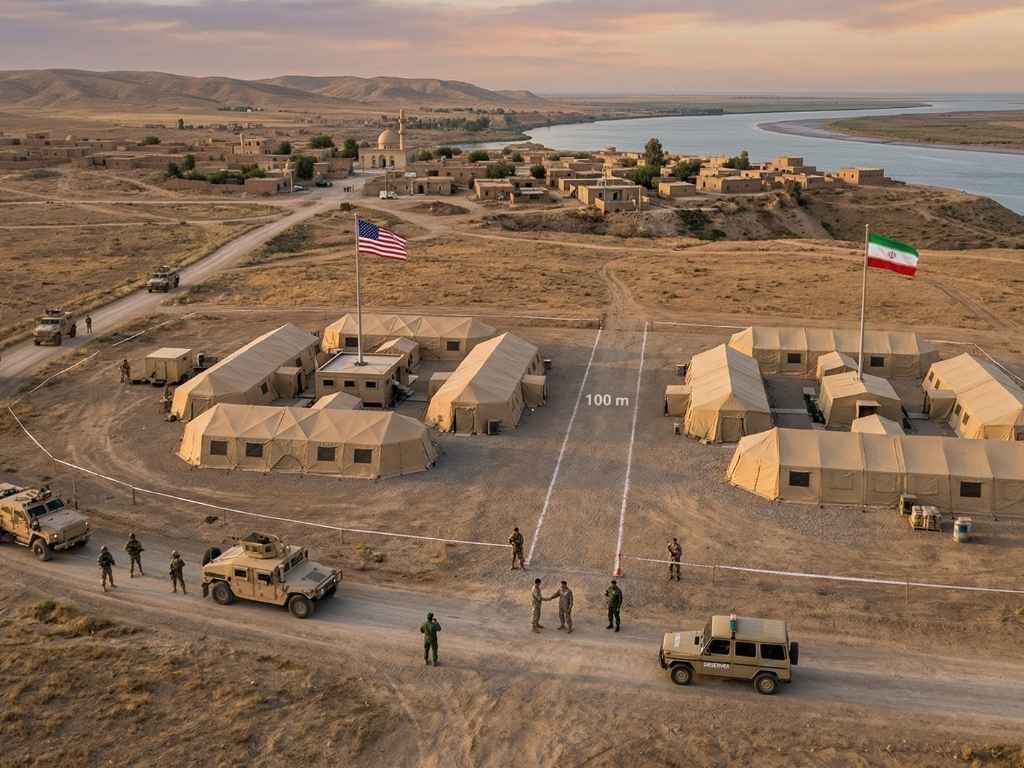
The two-week US–Iran Ceasefire was supposed to be our collective chance to exhale. Mediated by Pakistan literally hours before a terrifying 8:00 p.m. bombing deadline from the Trump administration, it felt like a miraculous, albeit temporary, diplomatic reprieve.
But barely the ink had dried, the reality on the ground shifted. Today, that very truce is hanging by a thread, tangled in a geopolitical imbroglio that seems to defy easy solutions. Let’s break down exactly why this hard-fought pause is faltering so quickly and what it means for the world.
The Islamabad Compromise vs. Ground Reality
When Washington and Tehran announced the pause in hostilities, both capitals engaged in immediate, full-throated victory laps. U.S. Defense Secretary Pete Hegseth declared a “capital V military victory,” claiming American and Israeli strikes had neutralized the immediate threat. Meanwhile, across the globe, Iranian officials celebrated what they called a historic capitulation by the United States, pointing to the survival of their regime and infrastructure.
It’s a classic case of cognitive dissonance. You can’t have two absolute victors in a conflict of this magnitude, and the conflicting narratives were the first red flag.
The core of the US–Iran Ceasefire rested on a supposedly simple trade-off: a halt to U.S. and Israeli bombardment in exchange for Iran reopening the Strait of Hormuz, the world’s most critical artery for oil transit. Sounds straightforward on paper. In practice, the agreement was built on a foundation of glaring ambiguities and vastly different interpretations of a 10-point plan.
The Lebanon Paroxysm
If you want to know why the truce is fraying, look at Lebanon.
While the ink was drying on the Islamabad-brokered agreement, Israel launched one of its most devastating aerial assaults on Hezbollah positions in Beirut, tragically resulting in over 180 casualties in a single day.
This sparked immediate outrage in Tehran. Iranian Foreign Minister Abbas Araghchi fiercely argued that the cessation of hostilities was meant to encompass the entire region—explicitly including Lebanon. But Israeli Prime Minister Benjamin Netanyahu and President Donald Trump flat-out rejected that premise, insisting the ceasefire strictly applied to direct U.S.-Iran and Israel-Iran strikes, not operations against Hezbollah.
This disconnect isn’t just a minor misunderstanding. It’s a fatal flaw in the truce’s architecture. Because of the ongoing strikes in Lebanon, Iran immediately retaliated using its strongest economic weapon, effectively slamming the door shut on the Strait of Hormuz once again.
Disconnect Over the Terms: A Recipe for Disaster
The current precarity stems from the sheer number of unresolved issues that both sides conveniently glossed over to hit the deadline. Here are the primary sticking points threatening to scuttle the entire deal:
- The Scope of the Truce: Iran expects total regional de-escalation, while the U.S. and Israel view operations against proxy groups like Hezbollah as completely separate from the bilateral agreement.
- The Nuclear Question: Trump administration officials claim they have a plan to remove Iran’s highly enriched uranium from under the rubble of previous strikes. Iran hasn’t publicly agreed to hand over a single ounce of it.
- Transit Tolls: Tehran announced it would implement a toll system for vessels passing through the Strait—reportedly up to $1 a barrel. The White House vehemently opposes this, labeling it unacceptable extortion.
- Airspace Violations: Iranian officials are already citing alleged drone incursions as direct breaches of the agreed-upon terms.
When you pack this many explosive disagreements into a supposedly “settled” deal, it’s no wonder the US–Iran Ceasefire is buckling under the pressure.
What’s Happening in the Strait of Hormuz?
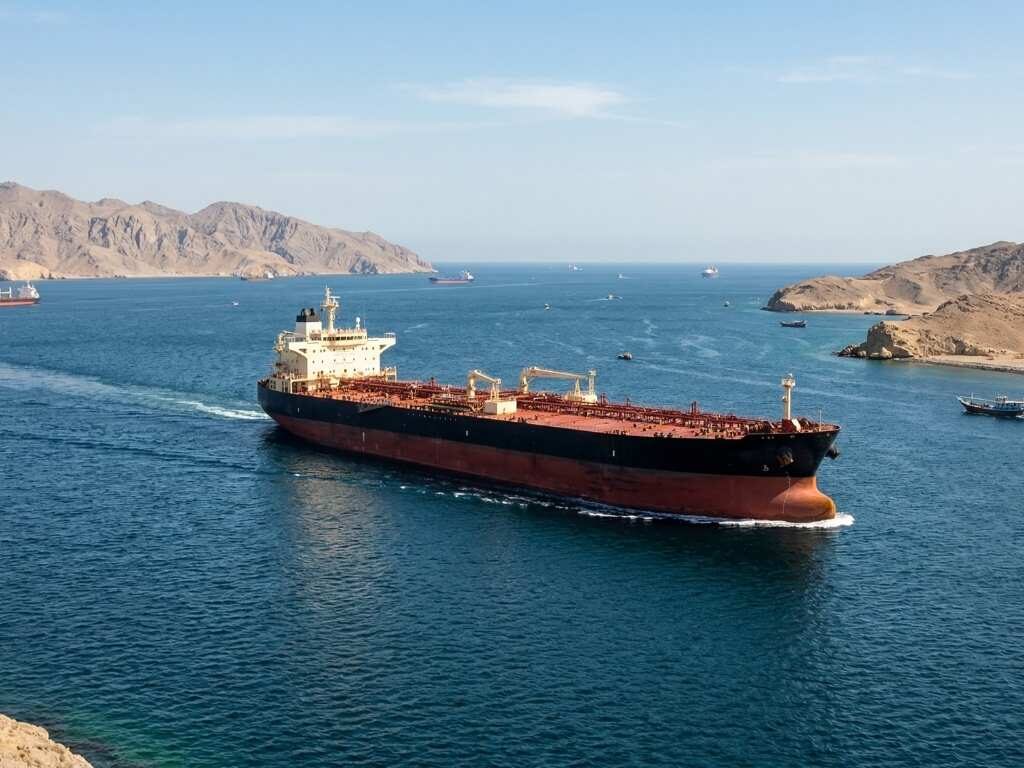
I want to touch on the economic jugular of this whole crisis. The Strait of Hormuz isn’t just a waterway; it’s the heartbeat of the global energy market. Before this conflict, a staggering 20% of all traded oil and liquefied natural gas passed through this narrow choke point.
When the ceasefire was first announced, global markets breathed a sigh of relief. Oil prices, which had skyrocketed by 50% over the agonizing weeks of conflict, briefly plummeted. Stocks surged. But that optimism evaporated the second Iran announced the strait was closed again in response to the Lebanon strikes.
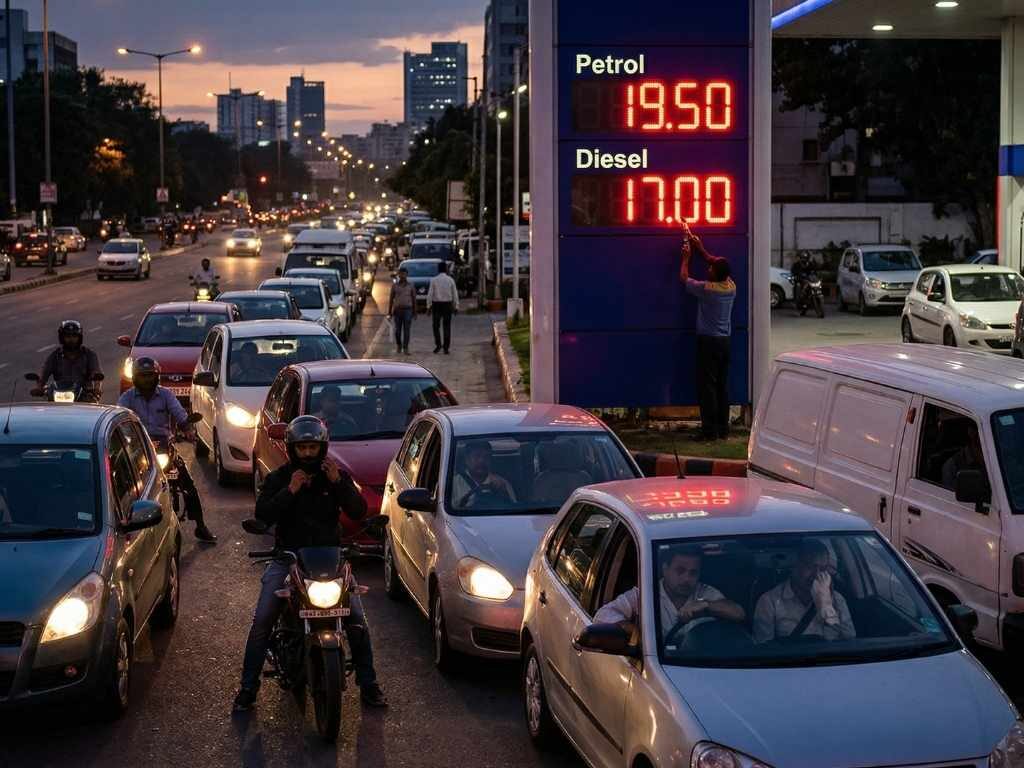
Maritime intelligence data shows a ghost town where a bustling transit lane used to be. Barely a handful of commercial vessels dared to move through the area this week. The threat of getting caught in the crossfire—or being slapped with massive, unregulated tolls by Iranian military forces—is simply too high a risk for most shipping conglomerates. The ripple effects of this paralysis will hit wallets worldwide sooner rather than later.
A Personal Take: Watching the Brinksmanship
Sitting here and watching this unfold, I find it incredibly difficult to shake a deep sense of unease. There’s a profound human toll buried underneath all the geopolitical chess moves and military press briefings. We talk about “strikes” and “infrastructure” as abstract concepts, but the reality involves millions of people waking up every day wondering if they’ll see tomorrow.
The night before the ceasefire was announced, the anxiety was palpable. The rhetoric about wiping out civilizations and apocalyptical battles isn’t just political posturing; it’s terrifying. To go from the absolute edge of that abyss to a temporary pause felt like a miracle. To watch that miracle squandered over regional proxy battles and disputed transit fees is just deeply frustrating.
For a true, lasting US–Iran Ceasefire to hold, both Washington and Tehran need to move past the desire for a pyrrhic public relations victory.
Looking Ahead: Can We Salvage This?
The big question now is what happens next. Delegations are supposedly meeting in Islamabad to flesh out the permanent details of this arrangement. But how do you negotiate a permanent peace when the temporary one hasn’t even lasted 48 hours without massive violations?
The U.S. faces a harsh dilemma. Pushing too hard risks reigniting the widespread conflict that just depleted its regional ammunition stockpiles. Backing off too much risks validating Iran’s strategy of holding global shipping hostage.
On the flip side, Iran’s economy is battered, and its infrastructure has taken a severe beating over the last two years of intermittent war. They desperately need sanctions relief and reconstruction funds, neither of which will materialize if they continually antagonize the international community by closing the strait.
Ultimately, saving this US–Iran Ceasefire requires an immediate, ironclad consensus on what the ceasefire actually entails. Until both sides agree on the basic geographical and tactical boundaries of the truce, we’re just counting down the days until the next paroxysm of violence.
The world is watching. We can only hope cooler heads prevail before the rollercoaster entirely derails.