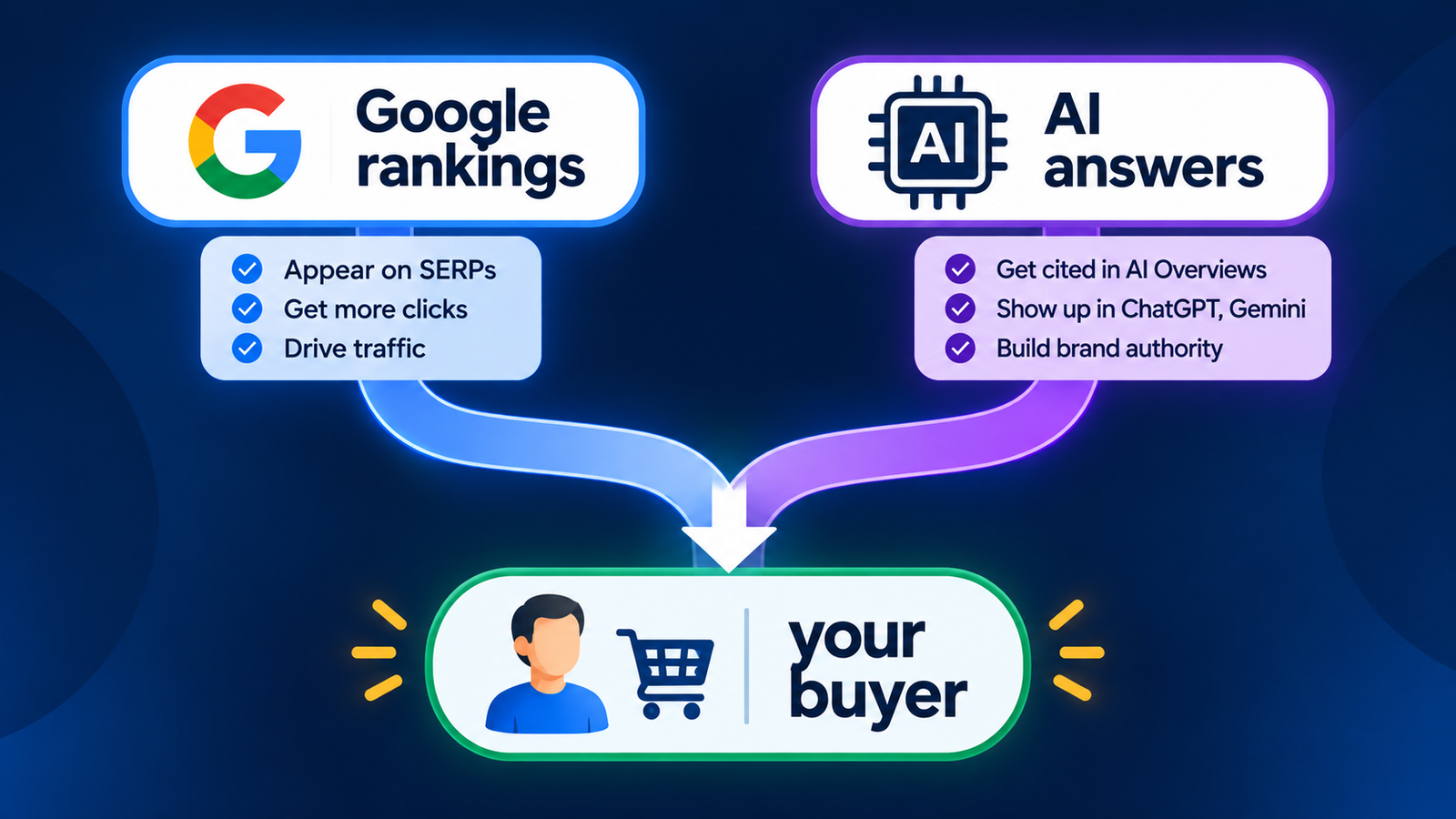
The digital world has changed how people communicate, shop, learn, and run businesses. Customers now search online before choosing a product or service, while companies use websites and social media platforms to connect with their audiences. Because of this shift, digital marketing has become an important part of modern business growth.
For students and working professionals, understanding online marketing can open the door to several learning and career opportunities. It is a field where creativity, communication, research, and technology come together. People can begin with basic concepts and gradually develop specialised skills through regular practice.
Learning digital marketing is not limited to understanding advertisements or posting on social media. It also involves knowing how customers behave online, how search engines organise information, and how businesses measure their marketing results.
Understanding the Basics of Digital Marketing
Digital marketing refers to promoting a business, product, or service through internet-based channels. These channels include search engines, websites, social media, email, and online advertising platforms.
Every channel has a different purpose. Search engine optimization helps websites improve their organic visibility. Social media marketing supports communication with audiences, while paid advertising allows businesses to reach selected groups of people.
Content marketing focuses on providing useful information through articles, videos, graphics, and other formats. Email marketing helps companies communicate with people who have subscribed to receive updates.
Someone exploring a digital marketing course in Ghaziabad should first understand how these activities work together. A business may use SEO to attract website visitors, social media to build brand awareness, and email marketing to maintain communication with existing customers.
Learning the relationship between these channels makes it easier to understand the overall marketing process.
Why Businesses Need Digital Marketing
Businesses of different sizes use online platforms to introduce their products and services. Even a small local business can create a website, maintain social media accounts, and share useful information with potential customers.
Digital marketing helps companies reach people beyond their immediate surroundings. It also allows businesses to communicate with specific audiences instead of depending entirely on traditional promotional methods.
Some important benefits include:
- Better online visibility.
- Direct communication with customers.
- Opportunities to reach relevant audiences.
- Measurable advertising performance.
- Improved brand awareness.
- Access to customer feedback.
- Flexible promotional strategies.
However, successful marketing requires proper planning. Businesses need to understand their audience, identify suitable platforms, and prepare content that provides genuine value.
Search Engine Optimization: Improving Website Visibility
Search engine optimization, commonly called SEO, helps websites improve their visibility in unpaid search results. When someone searches for information on Google, the search engine displays pages that it considers relevant and useful.
SEO involves several activities that help search engines understand website content and make pages easier for visitors to use.
Keyword research is one of the starting points. Marketers study what people search for and identify relevant phrases that can be included naturally in website content.
Other important SEO activities include:
- Writing useful and original website content.
- Creating descriptive page titles.
- Improving meta descriptions.
- Organising content with proper headings.
- Adding relevant internal links.
- Optimising images.
- Improving page loading speed.
- Making websites mobile-friendly.
SEO is a continuous process. Search trends, competition, and search engine systems can change, so websites need regular monitoring and improvement.
Social Media Marketing and Audience Engagement
Social media platforms have become important tools for business communication. Companies use Instagram, Facebook, LinkedIn, and YouTube to share information, introduce products, and interact with customers.
Social media marketing requires more than publishing random posts. A marketer needs to understand the target audience and prepare a content plan according to the platform.
For example, an educational organisation may publish learning tips and informative videos. A clothing brand may share product photographs, styling ideas, and customer experiences.
A social media content plan may include:
- Educational posts.
- Short videos and reels.
- Product or service updates.
- Informative graphics.
- Customer questions and answers.
- Brand announcements.
- Behind-the-scenes content.
Marketers should also monitor comments, messages, shares, and other engagement signals. This information helps them understand which content is useful to their audience.
Google Ads and Paid Advertising Skills
Paid advertising is another important area of digital marketing. Platforms such as Google Ads allow businesses to display advertisements to people searching for relevant products or services.
A successful campaign begins with a clear objective. A business may want more website visits, phone calls, product enquiries, or online purchases.
Marketers then research suitable keywords, prepare advertisement copy, select relevant audiences, and decide on a budget.
Landing pages also play an important role. When someone clicks an advertisement, the page should provide information related to the advertised service or product.
Campaign performance can be reviewed through metrics such as clicks, impressions, cost per click, and conversions. These measurements help marketers identify areas that may need improvement.
Content Writing and Creating Useful Online Information
Content is an essential part of digital marketing because it helps businesses explain their products, answer questions, and build trust.
Content can appear in different formats, including website pages, blog posts, social media captions, email newsletters, and videos.
Good content should be easy to understand and relevant to the reader. Instead of writing only to include search terms, marketers should focus on answering genuine questions.
For example, a business selling home appliances can publish maintenance guides, product comparisons, and usage instructions. This information can help customers make informed decisions.
People interested in content writing should practise researching topics, organising ideas, writing clear paragraphs, and checking grammar before publishing.
Choosing the Right Learning Path
Before selecting a training programme, learners should understand their own goals. Some people may want to develop skills for employment, while others may be interested in promoting their family business or working independently.
A structured digital marketing course Ghaziabad can be considered by learners who want to study different areas of online promotion in an organised way.
Before joining any programme, students should review the syllabus and check whether it covers important subjects such as SEO, social media marketing, Google Ads, content creation, and analytics.
They should also look for practical activities. Creating sample content, researching keywords, preparing campaign plans, and analysing website performance can make learning more meaningful.
A programme should provide enough opportunity to understand how marketing concepts are used in real situations.
Website Development and User Experience
A website is often the first place where potential customers learn about a business in detail. It should clearly explain the company’s services, provide useful information, and make navigation simple.
Digital marketers do not always need to become professional web developers, but they should understand basic website structure and user experience.
Important website elements include:
- Homepage and service pages.
- Clear navigation menus.
- Contact information.
- Useful landing pages.
- Readable text.
- Properly organised images.
- Mobile-friendly layouts.
- Working enquiry forms.
A website should also load efficiently and provide a consistent experience across devices.
Understanding these basics helps marketers identify problems and suggest improvements that support business objectives.
Local SEO and Location-Based Marketing
Local SEO helps businesses become more visible when people search for services in a particular area. It is especially useful for organisations that serve customers in specific cities or neighbourhoods.
For example, someone searching for a digital marketing institute in Ghaziabad may want to compare local learning options. Another person searching for digital marketing in Ghaziabad may be looking for an agency that provides online promotion services.
Other location-based phrases, such as digital marketing course in Tilak Nagar and digital marketing course in Moradabad, show how search behaviour changes according to the location of the user.
Businesses can improve local visibility by maintaining accurate business information, creating useful location-related pages, and collecting genuine customer reviews.
It is important that location information remains accurate. Businesses should not use misleading addresses or publish pages that provide no meaningful value to local visitors.
Email Marketing and Customer Communication
Email marketing allows businesses to share information directly with people who have subscribed to receive their messages.
Companies may use email to send newsletters, service updates, announcements, educational resources, and product information.
An effective email should have a clear subject line and a useful message. The content should be organised so readers can quickly understand the purpose of the communication.
Marketers should also respect privacy and follow appropriate consent practices. Sending unwanted or excessive emails can reduce trust and negatively affect a brand’s reputation.
Learning email marketing helps students understand another way businesses maintain long-term customer relationships.
Analytics: Measuring Digital Marketing Results
Digital marketing provides opportunities to measure campaign performance. Analytics tools help businesses understand how visitors discover their websites and what actions they take after arriving.
For example, a website may receive a large number of visitors but very few enquiries. This could indicate that the service information, page layout, or contact process needs improvement.
Similarly, an advertisement may receive clicks but fail to generate useful results. Marketers can review the audience, advertisement message, and landing page to identify possible reasons.
Some commonly used measurements include website traffic, engagement rate, impressions, clicks, conversion rate, and advertising cost.
Learning to interpret these measurements helps marketers make better decisions and improve their strategies over time.
Career Opportunities After Learning Digital Marketing
Digital marketing includes several areas in which learners can develop professional skills. People can choose a role according to their interests, strengths, and experience.
Some common career options include:
SEO Executive: Works on keyword research, website optimisation, content structure, and search visibility.
Social Media Executive: Plans social media content, manages publishing schedules, and monitors audience engagement.
Content Writer: Creates articles, website pages, captions, and other written material.
PPC Executive: Helps manage paid advertising campaigns and reviews their performance.
Digital Marketing Executive: Works across different marketing activities and supports overall online promotion.
Marketing Analyst: Studies campaign data and helps businesses understand performance.
Freelancing is another possible direction. Skilled professionals may offer services such as content writing, SEO support, social media management, and advertising assistance.
Career progress depends on practical knowledge, communication, experience, and the ability to keep learning.
Building Practical Experience Through Projects
Practical experience helps learners understand how marketing activities work outside textbooks and explanations.
Beginners can start with small projects. They may create a sample content calendar, prepare a blog outline, conduct keyword research, or review the structure of a business website.
They can also practise preparing social media captions and designing simple promotional graphics.
A portfolio can bring these projects together and demonstrate the skills a learner has developed. It should contain genuine work and clearly explain the purpose of each project.
Regular practice also helps people identify their strengths and understand which areas need further improvement.
Conclusion
Digital marketing combines several useful skills that support modern business communication and online growth. Understanding SEO, social media, paid advertising, content writing, website management, and analytics can help learners build a strong foundation.
The most effective way to develop these skills is through structured learning, practical assignments, and consistent practice. As online platforms continue to change, people who remain curious and willing to improve can explore different opportunities in this growing field.