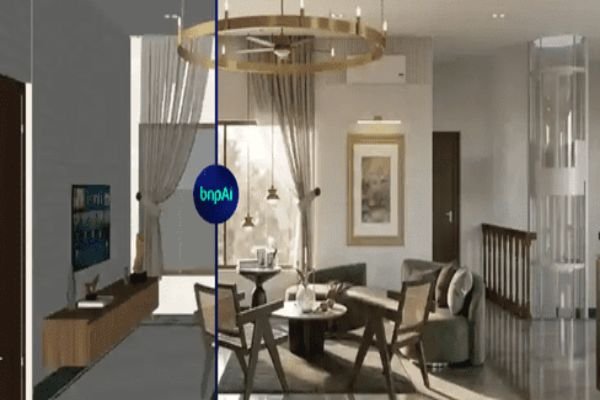
Interior design is no longer limited to imagination, hand-drawn sketches, or traditional 2D layouts. With the development of artificial intelligence, designers and homeowners can now turn their ideas into realistic visual presentations using advanced digital tools. Interior Rendering AI Online is becoming a popular solution for people who want to explore different interior styles, experiment with layouts, and create attractive room visuals without spending hours on manual rendering.
Whether you are planning a new home, renovating an apartment, or working on a commercial interior project, AI-powered rendering tools can make the design process easier and more convenient. Platforms like bricksnpixels help users explore modern design possibilities and understand how their spaces could look before making actual changes.
What Is Interior Rendering AI Online?
Interior Rendering AI Online refers to the use of artificial intelligence-based tools that convert interior design ideas, sketches, images, or room layouts into realistic digital visuals. These tools analyse the available design information and generate images that show furniture placement, colours, lighting, textures, and decorative elements.
Unlike traditional rendering software, many online AI tools do not require advanced technical knowledge. Users can simply upload a reference image, provide a description, or select a preferred design style to generate a visual concept.
This technology is useful for homeowners, architects, interior designers, real estate professionals, and students who want to present their ideas more effectively.
How Does AI Interior Rendering Work?
AI interior rendering uses machine learning and image-generation technology to understand visual information and create design concepts. The process is generally simple and can be completed through a web-based platform.
Here are the basic steps involved:
- Upload a Room Image: Start by uploading a photograph, floor plan, or interior sketch of the space you want to redesign.
- Choose a Design Style: Select a preferred theme, such as modern, minimalist, contemporary, Scandinavian, industrial, or traditional.
- Add Design Instructions: Provide details about colours, furniture, materials, lighting, and other important elements.
- Generate the Rendering: The AI tool processes your input and creates a visual representation of the proposed interior.
- Review and Improve: Explore the generated results and adjust your instructions to create different design variations.
This process allows users to experiment with multiple interior concepts before finalising their design decisions.
Benefits of Using Online AI Interior Rendering Tools
AI technology offers several advantages that make interior design more accessible and efficient. Some of the most important benefits include the following.
1. Saves Time and Effort
Traditional interior rendering can take considerable time, especially when designers need to create multiple versions of a room. AI-powered tools can generate initial design concepts much faster. This allows professionals to spend more time improving their ideas and communicating with clients.
2. Easy for Beginners
Not everyone has experience with professional 3D modelling software. Online AI rendering platforms provide a simpler way to explore interior design concepts. Even beginners can experiment with colours, furniture arrangements, and different styles without extensive technical training.
3. Explore Multiple Design Styles
One of the biggest advantages of AI rendering is the ability to compare different design approaches. A single room can be visualised in several styles, including modern luxury, minimalist, rustic, and contemporary interiors.
This makes it easier to identify which design direction matches your preferences and requirements.
4. Better Design Visualisation
Sometimes, understanding an interior design through a written description or basic floor plan can be difficult. Realistic visual representations help homeowners and clients understand the proposed appearance of a room, including its colours, furniture, and overall atmosphere.
5. Supports Budget Planning
AI-generated visuals can help people make more informed decisions about furniture, materials, colours, and decorative elements. By reviewing different concepts before purchasing products, homeowners can reduce unnecessary changes and avoid some costly design mistakes.
However, an AI rendering is a visual concept rather than a guaranteed construction or cost estimate.
Applications of Interior Rendering AI Online
AI-powered interior rendering has applications across different industries. Its flexibility makes it useful for both small residential projects and large commercial spaces.
Residential Interior Design
Homeowners can use AI rendering to explore bedroom, living room, kitchen, bathroom, and dining room designs. It helps them understand how different furniture arrangements, wall colours, and lighting choices may work within their available space.
Commercial Interior Design
Offices, retail stores, restaurants, and hotels require functional and attractive interiors. AI-generated visuals can help businesses explore different layouts and design themes before beginning renovation or construction work.
Real Estate Marketing
Real estate professionals can use interior visualisation to present empty or unfinished properties with attractive furnishing concepts. These visuals can help potential buyers and tenants imagine how a property might look after furnishing.
Architecture and Interior Design Presentations
Architects and interior designers can use AI-generated images to communicate early-stage ideas to clients. Instead of relying only on technical drawings, they can present visual concepts that are easier to understand.
Home Renovation Projects
People planning home renovations can experiment with different wall finishes, flooring options, furniture styles, and lighting arrangements. This makes the planning stage more interactive and creative.
Popular Interior Design Styles You Can Explore with AI
AI rendering tools allow users to experiment with a wide range of interior design styles. Each style offers a different visual experience.
Modern Interior Design: Modern interiors focus on clean lines, practical furniture, balanced colours, and uncluttered spaces.
Minimalist Interior Design: This style uses simple furniture, limited decoration, neutral shades, and functional arrangements to create an open environment.
Scandinavian Interior Design: Scandinavian spaces commonly feature natural materials, light colours, comfortable furniture, and plenty of natural lighting.
Industrial Interior Design: Industrial interiors often include exposed brick walls, metal finishes, concrete textures, and simple furniture.
Luxury Interior Design: Luxury designs may include premium materials, elegant lighting, decorative wall panels, sophisticated furniture, and carefully selected accessories.
Contemporary Interior Design: Contemporary interiors combine current design trends with practical layouts and visually balanced elements.
By using AI, users can compare these styles and discover which one works best for their space.
Interior Rendering AI Online vs Traditional Rendering
Traditional interior rendering usually involves specialised software, technical skills, and considerable manual effort. Designers often need to create 3D models, apply materials, adjust lighting, and prepare final images.
Online AI rendering offers a more accessible alternative for creating initial concepts. Users can provide images or text instructions and receive generated visual ideas without building every element manually.
However, both approaches have their own advantages.
Traditional rendering provides greater control over exact measurements, geometry, materials, and technical details. AI rendering is useful for quickly exploring creative possibilities and generating multiple visual directions.
For professional projects, combining AI-generated concepts with detailed 3D modelling can provide a practical workflow. AI helps during the creative stage, while traditional tools can be used for precise technical development.
Tips for Getting Better Results from AI Interior Rendering
The quality of an AI-generated interior image depends on the information provided. Following a few simple practices can improve the results.
- Use Clear Reference Images: Upload well-lit photographs with a clear view of the room.
- Describe Your Requirements: Mention the room type, preferred colours, furniture, materials, and design theme.
- Choose a Consistent Style: Avoid mixing too many unrelated design ideas in one prompt.
- Consider Room Dimensions: Provide accurate measurements whenever the platform supports them.
- Experiment with Lighting: Try natural daylight, warm lighting, or soft ambient lighting to explore different atmospheres.
- Generate Multiple Variations: Compare several concepts instead of selecting the first result.
- Review Practical Details: Check whether the proposed furniture, storage, and walking spaces are suitable for everyday use.
These steps can help you create more useful and visually appealing interior concepts.
Why Choose the Right AI Interior Rendering Platform?
Choosing an appropriate platform is important for getting useful results. Different tools offer different features, image quality, customisation options, and rendering capabilities.
A good platform should have an easy-to-use interface, flexible design options, useful image-generation features, and the ability to create visuals that match your requirements.
bricksnpixels is a platform worth exploring for people interested in AI-powered architectural and interior visualisation. It can help users explore creative design possibilities and turn early ideas into visual concepts.
Before choosing any platform for a professional project, consider its available features, output quality, usage limits, and whether the generated visuals meet your project requirements.
The Future of AI in Interior Design
Artificial intelligence is gradually changing how people approach interior design and visualisation. As AI tools continue to improve, users can expect more advanced image generation, better material representation, improved lighting effects, and more flexible design customisation.
Future developments may also make it easier to connect AI-generated concepts with 3D modelling, virtual reality, and augmented reality technologies. This could allow homeowners and designers to explore proposed interiors in more interactive ways.
However, creativity, practical knowledge, and professional judgement will remain important. AI can suggest design possibilities, but understanding space planning, building requirements, material quality, and human comfort still requires careful consideration.
Conclusion
Interior Rendering AI Online has made interior visualisation more accessible for homeowners, designers, architects, and businesses. It offers a convenient way to explore different design styles, compare room layouts, and create realistic-looking concepts before starting an actual project.
From modern living rooms to luxury bedrooms and commercial interiors, AI-powered rendering can support the creative planning process while saving time and effort. Platforms such as bricksnpixels provide opportunities to explore AI-based visualisation and bring interior design ideas closer to reality.
With the right reference images, clear instructions, and thoughtful design choices, anyone can use this technology to explore attractive interior concepts and make better-informed design decisions.