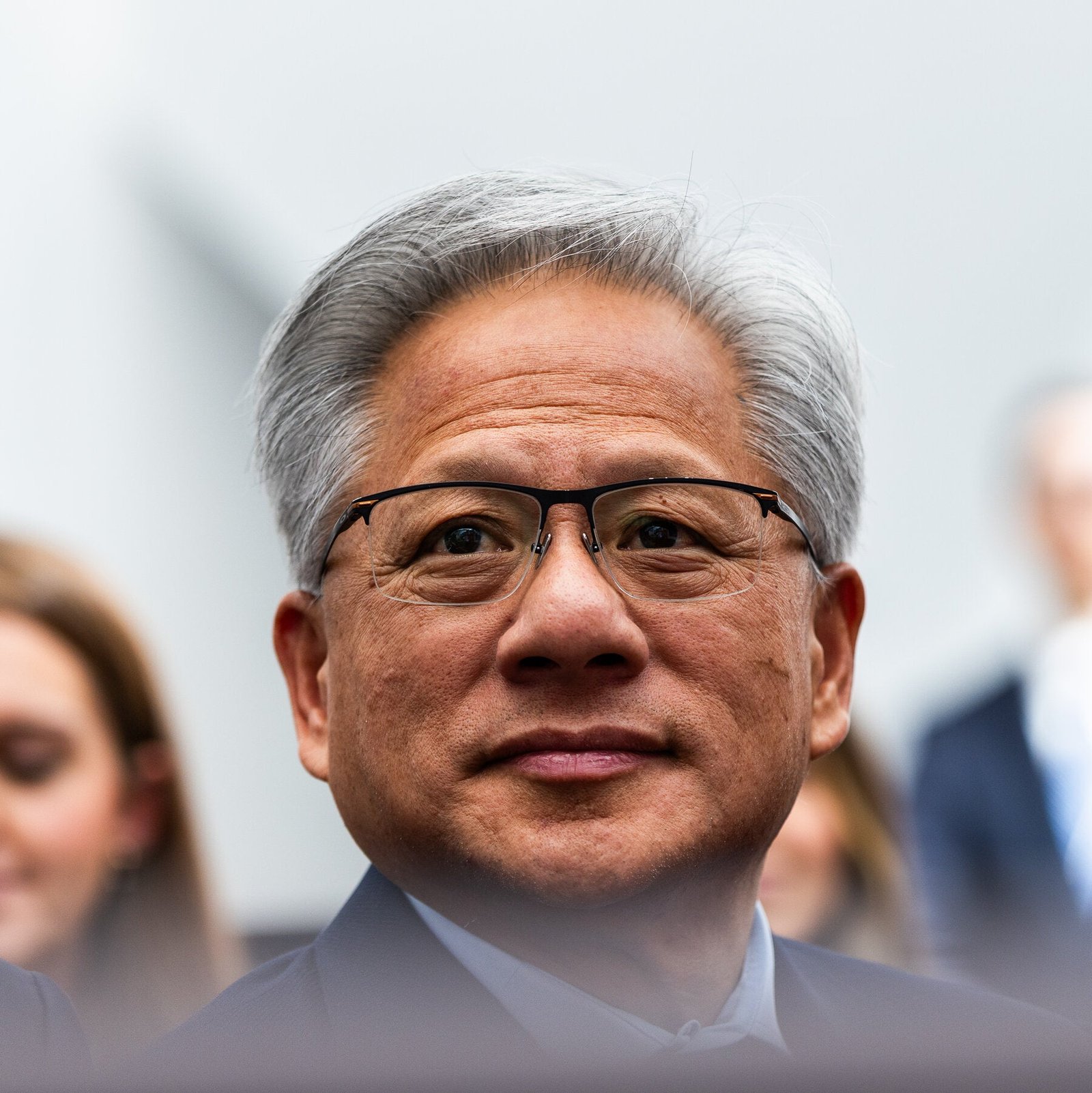
Nvidia has opened an internal investigation into Chief Executive Officer Jensen Huang following his acknowledgment of a personal relationship with a business executive who U.S. officials determined was working for Chinese intelligence. The revelation, reported by The New York Times, places one of the global technology sector’s most prominent leaders under intense board scrutiny at a time when semiconductor design and artificial intelligence hardware sit at the center of global geopolitical friction.
According to the report, Mr. Huang acknowledged on Sunday that he had been intimate with the unnamed business executive. U.S. intelligence officials had previously identified the individual as an operative acting on behalf of Chinese state intelligence. The announcement of Nvidia’s corporate probe highlights the growing pressure on global hardware firms to maintain stringent internal risk management, executive oversight, and national security protocols.
Summary of Confirmed Developments
To understand the current situation, it is important to distinguish between confirmed reports from initial disclosures and the broader background of executive risk management in multinational tech corporations.
- Executive Relationship Acknowledgment: On Sunday, Nvidia Chief Executive Officer Jensen Huang acknowledged a personal, intimate relationship with a foreign business executive.
- Intelligence Findings: U.S. government officials had previously determined that the business executive in question was working for Chinese intelligence services.
- Internal Corporate Probe: Nvidia’s board of directors has formally opened an investigation to review the circumstances, potential risks, and compliance implications of the disclosure.
Because full details regarding the scope and timeline of the internal review remain under governance review, corporate ethics experts note that board-led investigations in major publicly traded technology firms typically focus on assessing potential conflicts of interest, security exposure, compliance with corporate codes of conduct, and reporting obligations under federal regulatory standards.
Corporate Governance and Board Oversight Duties
When an executive officer of a publicly traded enterprise is involved in a sensitive personnel disclosure or national security investigation, corporate boards are bound by strict fiduciary responsibilities. Boards must act independently to protect shareholder value, corporate assets, and compliance integrity.
1. Independent Internal Reviews
Standard corporate governance procedures dictate that when high-level executive issues arise, board directors retain outside legal counsel and independent forensic compliance specialists. The objective of such an investigation is to evaluate whether company secrets, proprietary designs, strategic plans, or intellectual property were compromised, and whether executive reporting rules were strictly observed.
2. Codes of Ethics and Disclosure Requirements
Public technology corporations maintain strict codes of business conduct requiring officers to report potential conflicts of interest or close personal ties with external business entities, especially foreign executives or government-affiliated personnel. Board committees evaluate whether disclosures were made in a timely manner and whether standard protocols were satisfied.
3. Regulatory Disclosure and Market Responsibilities
As a key supplier of advanced microelectronics, graphics processing units (GPUs), and artificial intelligence infrastructure, Nvidia is subject to heightened scrutiny by national security agencies, security regulators, and global investors. Boards must carefully balance market transparency obligations under securities law with active legal and regulatory inquiries.
Counterintelligence Vulnerabilities in High-Tech Leadership
The semiconductor and artificial intelligence sectors are universally recognized as critical national security assets. Consequently, executive suites in major hardware companies are prime targets for human intelligence operations, espionage, and foreign influence campaigns.
Human Intelligence Targets in Tech
Foreign intelligence agencies often focus on senior leadership, executive advisors, and supply chain partners because they hold high-level visibility into proprietary technology roadmaps, strategic partnerships, unreleased hardware architectures, and government contract operations. Relationships cultivated under the guise of commercial networking can present significant counterintelligence risks for technology organizations.
The Semiconductor Geopolitical Environment
The global microchip market is heavily regulated due to trade controls, export restrictions, and geopolitical competition over advanced computing infrastructure. U.S. regulations strictly monitor the export of high-performance AI chips to foreign markets, making compliance and corporate security paramount for companies operating in the hardware sector.
Key Counterintelligence Risk Management Frameworks for Tech Enterprise
For large technology enterprises, managing foreign counterintelligence risks requires strict operational safeguards, rigorous background screening, and clear operational boundaries. Key elements of modern executive risk management include:
- Executive Risk Audits: Conducting periodic independent threat assessments and background vetting for senior leaders holding access to critical intellectual property.
- Foreign Engagement Clearances: Establishing mandatory reporting guidelines for non-routine contacts with foreign commercial representatives or official entities.
- Information Isolation Protocols: Segmenting sensitive technical blueprints, cryptographic keys, and internal research away from general executive communication channels when non-secured communications are used.
- Ethics & Conflict Reporting: Standardizing immediate disclosure processes for personal or financial relationships that intersect with foreign commerce or foreign state entities.
Looking Ahead: Institutional Response and Security Scrutiny
As Nvidia’s board conducts its internal investigation into Jensen Huang’s disclosures, industry analysts and governance experts will closely watch how the board balances executive continuity with regulatory compliance and security responsibilities. The situation underscores how close executive personal disclosures have become intertwined with national security, international intelligence oversight, and global tech governance.
As semiconductor firms continue to build hardware that powers global computing networks, board leadership across the technology sector will likely re-examine their executive risk oversight programs to address the evolving realities of foreign intelligence threats and corporate governance challenges.