High-performance engines operate under demanding conditions, generating significant heat and pressure during operation. Maintaining the correct engine temperature is essential for protecting engine components, ensuring smooth performance, and extending vehicle life. Engine coolant plays an important role in regulating temperature while preventing rust, corrosion, and scale formation within the cooling system. Choosing the right anti-freeze coolant helps maintain consistent engine performance, particularly in vehicles exposed to high temperatures and demanding driving conditions.
Effective engine coolant corrosion control is equally important because metal components such as aluminium, steel, copper, and iron can gradually deteriorate when exposed to heat, moisture, and chemical reactions. A high-quality coolant containing suitable corrosion inhibitors helps protect these components and maintain cooling system efficiency.
How Corrosion Affects Engine Life
Corrosion is one of the major causes of cooling system deterioration. When coolant loses its protective properties, metal surfaces inside the radiator, engine block, water pump, and cylinder head can become vulnerable to rust and chemical damage.
Corrosion can create several problems:
- Radiator damage: Rust and deposits can block narrow cooling passages, reducing heat transfer.
- Water pump deterioration: Corrosion can damage internal surfaces and affect coolant circulation.
- Engine overheating: Reduced coolant flow and heat transfer can increase engine temperature.
- Leak formation: Corrosion can weaken metal surfaces and contribute to leaks.
- Reduced engine lifespan: Continuous exposure to corrosion can damage critical engine components.
Proper engine coolant corrosion control helps minimise these risks and supports long-term engine reliability.
Importance of Coolant Ratios
Maintaining the correct coolant-to-water ratio is essential for effective temperature regulation and corrosion protection. The concentration determines the coolant’s freezing protection, boiling protection, and ability to protect metal components.
A commonly used mixture is 50% antifreeze concentrate and 50% distilled or deionised water. This balanced formulation provides freeze protection, raises the boiling point compared with plain water, and helps maintain corrosion inhibitor performance.
An incorrectly prepared mixture can cause problems. Excessive water may reduce freeze and corrosion protection, while using too much antifreeze concentrate can reduce heat transfer efficiency. Therefore, following the manufacturer’s recommended mixing ratio is important.
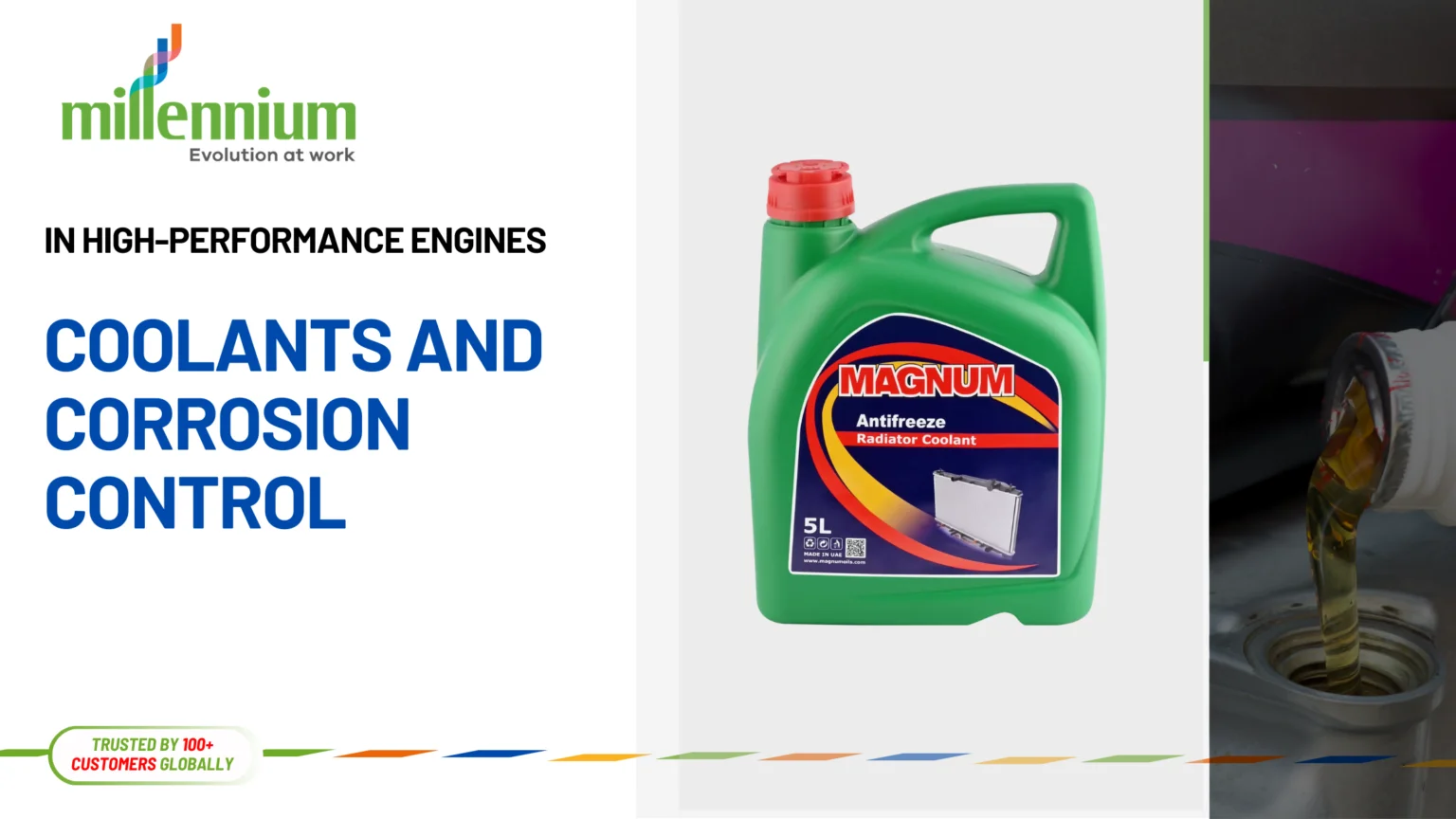
Ready-to-use products such as MAGNUM Anti-Freeze 50% offer a convenient option because they are formulated for use without additional dilution, subject to the product instructions.
How Coolants Protect Engine Metals
Modern engine coolants contain corrosion inhibitors that create a protective layer on metal surfaces. These additives help reduce direct contact between engine metals and corrosive substances circulating through the cooling system.
Different engine materials require appropriate corrosion protection. Aluminium components, for example, can be affected by chemical reactions if coolant chemistry is not properly maintained. Similarly, steel and iron components may develop rust when exposed to moisture and insufficiently protected coolant.
Quality anti-freeze coolant helps protect:
- Aluminium cylinder heads and engine blocks.
- Steel and iron engine components.
- Copper and brass radiator materials.
- Water pumps and cooling system passages.
By reducing corrosion, preventing scale deposits, and maintaining effective heat transfer, suitable coolant formulations contribute to reliable engine operation.
Benefits of MAGNUM Anti-Freeze 50%
MAGNUM Anti-Freeze 50% is a coolant solution designed to support engine cooling and protection. Its 50% antifreeze formulation offers several potential benefits when used in accordance with the manufacturer’s specifications.
Key benefits include:
- Temperature regulation: Helps maintain stable engine operating temperatures under demanding conditions.
- Corrosion protection: Helps protect compatible metal surfaces against rust and corrosion.
- Freeze protection: Provides protection against freezing in cold operating environments.
- Boil-over protection: Helps increase the coolant mixture’s boiling point compared with plain water.
- Cooling system protection: Helps minimise scale and deposit formation when the formulation includes suitable additives.
- Convenient application: A 50% premixed formulation reduces the need for additional dilution.
Selecting the right anti-freeze coolant is particularly important for high-performance engines that require consistent cooling and dependable component protection.
Coolant Maintenance Frequency
Regular coolant maintenance helps preserve engine performance and prevent unexpected cooling system problems. Over time, coolant additives can become depleted, reducing their ability to protect metal components against corrosion.
Vehicle owners should check coolant levels regularly and inspect the reservoir, radiator, hoses, and connections for leaks or visible contamination.
General maintenance recommendations include:
- Check the coolant level when the engine is completely cool.
- Inspect coolant colour and condition for rust, oil contamination, or unusual deposits.
- Follow the vehicle manufacturer’s recommended coolant replacement interval.
- Use the correct coolant specification for the engine.
- Avoid mixing incompatible coolant technologies.
- Flush and refill the cooling system when recommended by the manufacturer.
Coolant replacement intervals vary depending on the vehicle, coolant formulation, and operating conditions. Always follow the product and vehicle manufacturer’s guidelines.
How Coolants Improve Engine Efficiency
Engine efficiency depends partly on maintaining an appropriate operating temperature. When an engine becomes excessively hot, its performance and reliability can be affected. A properly maintained cooling system helps remove excess heat and maintain stable operating conditions.
Quality coolant supports efficient heat transfer between the engine and radiator. It also helps prevent corrosion and deposits that can restrict coolant circulation.
In high-performance engines, these benefits are especially important because demanding driving conditions generate additional heat. Proper coolant selection and maintenance help reduce overheating risks, protect critical components, and support consistent engine operation.
Effective engine coolant corrosion control also reduces the likelihood of premature cooling system damage, helping vehicle owners manage maintenance costs over time.
Frequently Asked Questions About Coolants and Corrosion Control in High-Performance Engines
1. Why is corrosion protection important in engine coolant?
Corrosion protection helps prevent rust and chemical deterioration in radiators, engine blocks, water pumps, and other cooling system components, supporting longer engine life.
2. What is the ideal coolant ratio for high-performance engines?
A 50:50 mixture of antifreeze concentrate and distilled water is commonly used, but the correct ratio depends on the vehicle manufacturer’s recommendations and operating conditions.
3. How does anti-freeze coolant prevent engine corrosion?
Anti-freeze coolant contains corrosion inhibitors that help protect metal surfaces from oxidation and chemical reactions while supporting effective cooling system operation.
4. How often should engine coolant be replaced?
Replacement intervals depend on the coolant formulation and vehicle specifications. Follow the manufacturer’s recommended service schedule and inspect coolant condition regularly.
5. Can the wrong coolant damage an engine?
Yes. Incompatible coolant formulations or incorrect concentrations can reduce corrosion protection, contribute to deposits, and potentially damage cooling system components.
Conclusion
Coolants play an essential role in maintaining high-performance engine reliability by regulating temperature, preventing freezing, and protecting metal components against corrosion. Choosing a suitable anti-freeze coolant and maintaining the recommended concentration can improve cooling system performance and reduce the risk of premature component damage. With effective engine coolant corrosion control, regular inspections, and timely replacement, vehicle owners can support better engine efficiency and longer service life. MAGNUM Anti-Freeze 50% provides a convenient 50% formulation option for cooling system protection when it meets the vehicle manufacturer’s requirements.