Custom food packaging plays a vital role in modern retail markets by keeping goods fresh and safe during transport. Food producers constantly search for reliable ways to present their merchandise to consumers. Selecting proper materials ensures that items remain protected from environmental damage while sitting on store shelves. Companies often invest significant time and effort into designing containers that catch the eye of potential buyers. Effective protection prevents spoilage and extends shelf life significantly. Modern manufacturing techniques allow enterprises to create unique containers that stand out in crowded marketplaces without compromising structural integrity.
Protective Outer Shells
Producers ship goods across vast distances every single day. Manufacturers rely heavily on custom food packaging USA standards to ensure safe delivery of edible goods to distribution hubs. Sturdy materials prevent crushing and moisture infiltration during transit. Regulatory bodies require strict adherence to safety protocols when transporting consumables. Industrial facilities apply advanced engineering principles to design protective outer layers that withstand heavy pressure. Warehouses store pallets efficiently when outer containers feature uniform dimensions and solid structural support. Transport companies benefit greatly from reliable transit containers that minimise loss and damage rates across long journeys.
Brand Identification Tags
Consumers rely heavily on readable text when purchasing grocery items. Regulatory authorities mandate clear ingredient disclosure on custom food packaging labels to protect public health and dietary safety. Graphic designers arrange typography carefully to highlight nutritional facts and allergen warnings. Clear printing technology ensures that expiration dates remain legible throughout the entire storage period. Retail stores display products with prominent branding elements to attract shoppers browsing crowded aisles. Buyers make informed decisions quickly when nutritional details appear in designated areas on containers. High-quality ink prevents fading under bright retail lighting conditions over extended durations.
Flexible Storage Pouches
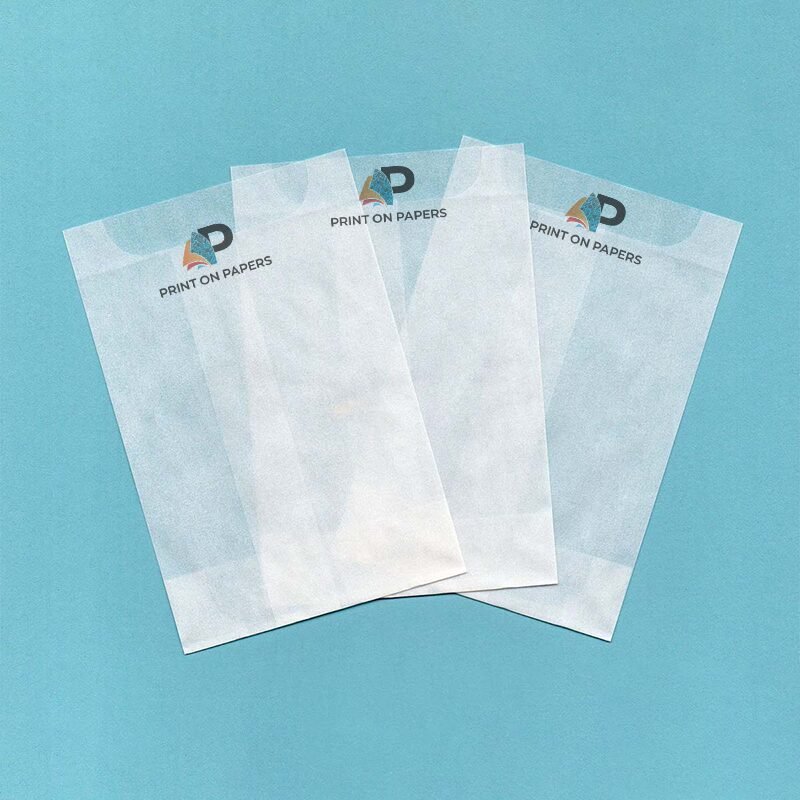
Retailers often stock lightweight goods that require adaptable containment options. Lightweight merchants utilize custom food packaging bags to store snacks and powders securely without adding excessive shipping weight. Flexible polymers protect contents from humidity and oxygen exposure effectively. Manufacturing plants seal these pouches tightly using heat sealing to maintain absolute freshness. Shoppers appreciate resealable features that preserve leftover contents for future consumption. Store shelves present these flexible pouches neatly using hanging tabs or standing bases. Production facilities optimize material usage to reduce waste during manufacturing cycles.
Rigid Container Units
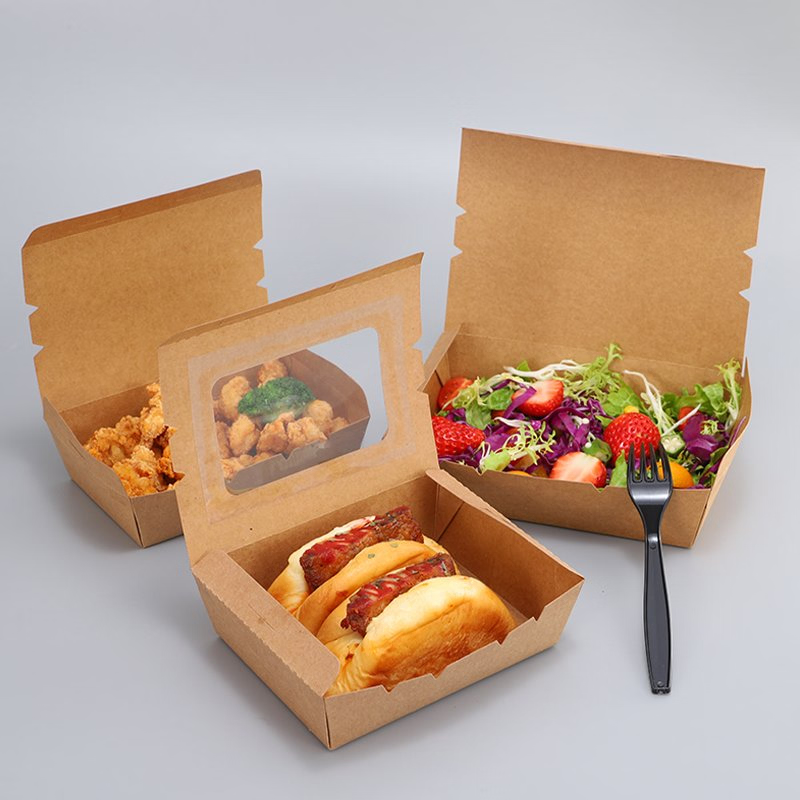
Baked goods and fragile pastries require sturdy exterior protection. Industrial bakeries implement custom food packaging boxes to shield delicate cakes from physical damage during delivery. Corrugated cardboard provides excellent impact resistance while stacking multiple tiers inside delivery trucks. Bakery owners appreciate containers that maintain product shape until items reach retail displays. Rigid structures prevent grease leakage and preserve visual appeal successfully. Assembly lines fold flat cardboard sheets rapidly into secure geometric shapes before filling them with edible treats. Environmental safety standards encourage the use of recyclable paperboard materials across production plants.
Corporate Emblem Displays
Corporate identity matters significantly in competitive commercial sectors. Marketing teams integrate custom food packaging boxes with logo placements to build strong brand recognition among consumers. Embossed printing techniques create tactile surfaces that enhance perceived product value instantly. Enterprises invest in distinctive visual themes that differentiate their merchandise from rival competitors. Distinctive colour schemes help buyers identify preferred brands quickly on crowded supermarket shelves. Promotional campaigns succeed when packaging aesthetics align seamlessly with corporate messaging and visual standards. Professional graphic design elevates ordinary containers into powerful marketing assets.
Emerging Venture Containers
Startup enterprises face unique challenges when launching new food products. Local artisans utilise custom food packaging for small business operations to establish professional market presence on modest budgets. Affordable production minimums allow independent creators to test new recipes without financial strain. Suppliers offer versatile container options tailored specifically to low-volume manufacturing requirements. Emerging brands gain consumer trust rapidly through polished presentation and reliable material quality. Community markets thrive when local vendors present homemade preserves in attractive standardised containers. Financial planning becomes manageable when purchasing packaging supplies in sensible quantities.
Advanced Containment Systems
Global food industries demand innovative engineering to address complex preservation requirements. Industrial engineers develop branded boxes that incorporate advanced barrier technologies against moisture and bacteria. Automated machinery integrates seamlessly with modern production lines to accelerate manufacturing speeds. Research laboratories test new biodegradable polymers to minimise environmental impact across supply chains. Commercial enterprises adopt comprehensive containment strategies to reduce operational costs and spoilage rates simultaneously. Technological advancements continuously reshape how perishable goods travel from agricultural farms to consumer households. Quality control inspectors verify every batch to ensure compliance with international safety regulations.
Conclusion
Custom food packaging remains an essential component for modern commercial enterprises seeking market success. Selecting appropriate materials ensures product safety and enhances visual appeal simultaneously. Industry standards evolve continuously to incorporate sustainable practices and superior protective technologies. Enterprises benefit greatly from investing in professional container designs that resonate with consumers. Proper preservation techniques protect perishable goods throughout complex distribution networks. Careful planning guarantees long-term viability and customer satisfaction across diverse retail sectors. Sustainable initiatives drive manufacturers toward biodegradable alternatives that protect natural ecosystems while maintaining absolute structural integrity for consumable goods everywhere today.