
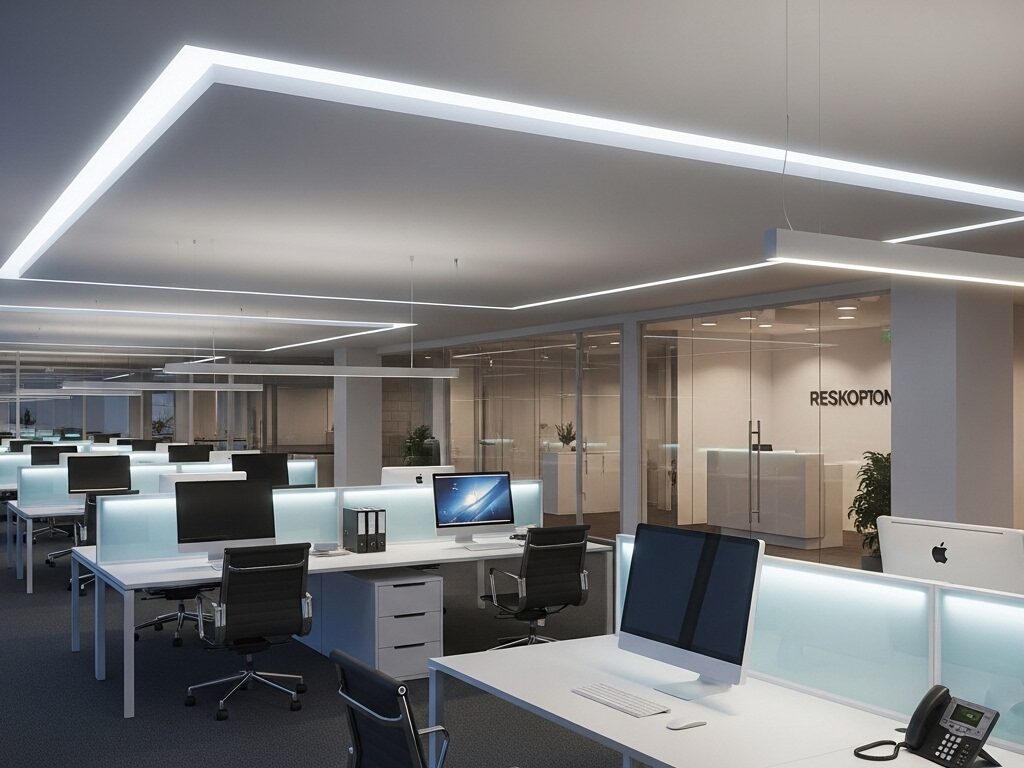
Flat Panels have become one of the most popular lighting choices in modern homes, offices, hospitals, schools, and commercial spaces. Their sleek design, energy efficiency, and uniform light distribution make them a practical and stylish alternative to traditional lighting systems. As interior design trends continue to move toward minimalism and functionality, flat panels are playing an increasingly important role in shaping bright and comfortable environments.
What Are Flat Panels
Flat panels are thin, lightweight lighting fixtures designed to produce even and diffused light across a wide surface area. Unlike bulky traditional lights, they sit flush with ceilings or can be recessed, giving a clean and modern appearance. Most flat panels use LED technology, which makes them highly energy efficient and long lasting.
They are commonly used in places where consistent lighting is required without harsh shadows or dark spots. This makes them ideal for workspaces, hospitals, retail stores, and educational environments.
Key Features of Flat Panels
One of the main reasons flat panels are widely used is their simple yet effective design. They offer several important features that set them apart from conventional lighting options.
Energy Efficiency
Flat panels consume significantly less electricity compared to older fluorescent or incandescent lights. This helps reduce electricity bills while maintaining strong brightness levels.
Uniform Light Distribution
They are designed to spread light evenly across a room. This reduces eye strain and creates a comfortable environment for reading, working, or studying.
Slim and Modern Design
Their ultra thin structure allows them to blend seamlessly into ceilings. This gives interiors a clean and professional appearance.
Long Lifespan
Most LED flat panels last for thousands of hours, reducing the need for frequent replacements and maintenance.
Low Heat Emission
Unlike traditional bulbs, flat panels produce very little heat, making them safer and more comfortable for indoor environments.
Applications of Flat Panels
Flat panels are versatile and can be used in many different environments. Their adaptability is one of the reasons they are so widely installed across various industries.
Offices
In office environments, flat panels provide bright and consistent lighting that helps improve productivity. Employees benefit from reduced eye fatigue and better focus.
Hospitals and Clinics
Medical facilities require clean and clear lighting for accuracy and hygiene. Flat panels are ideal because they offer shadow free illumination, which is essential in examination rooms and laboratories.
Schools and Universities
Students need proper lighting for reading and writing. Flat panels create a well lit learning environment that supports concentration and reduces strain on the eyes.
Retail Stores
In retail spaces, lighting plays a major role in product presentation. Flat panels help highlight products clearly and attractively.
Homes
Modern homes also use flat panels in kitchens, living rooms, and bedrooms to achieve a minimal and stylish interior look.
Advantages of Using Flat Panels
The growing popularity of flat panels is due to their wide range of benefits.
Cost Savings
Although the initial investment may be slightly higher than traditional lighting, flat panels save money in the long run due to lower energy consumption and reduced maintenance costs.
Eco Friendly Solution
LED flat panels consume less power and have a longer lifespan, which reduces waste and supports environmental sustainability.
Better Aesthetic Appeal
Their slim design enhances the visual appeal of interiors, making spaces look modern and organized.
Improved Lighting Quality
Flat panels provide bright, natural looking light that improves visibility and comfort in any environment.
Easy Installation
They can be easily installed in ceilings, whether recessed, surface mounted, or suspended, depending on design requirements.
Types of Flat Panels
Flat panels come in different types to suit various needs and spaces.
Recessed Flat Panels
These are installed inside the ceiling for a completely flush finish. They are commonly used in offices and commercial buildings.
Surface Mounted Panels
These are fixed directly onto the ceiling surface. They are ideal for ceilings that do not support recessed installation.
Suspended Flat Panels
These hang from the ceiling using cables or rods. They are often used in modern office designs for a stylish floating effect.
Edge Lit Panels
These use LED lights placed along the edges to create a soft and evenly distributed glow.
Back Lit Panels
These have LEDs placed behind the panel surface, offering strong brightness and efficient light distribution.
Why Flat Panels Are Replacing Traditional Lighting
Traditional lighting systems like fluorescent tubes and incandescent bulbs are gradually being replaced by flat panels. The reason is simple. Flat panels offer better performance, lower energy consumption, and improved design flexibility.
They also support modern architectural trends that focus on clean lines and minimalistic interiors. Businesses and homeowners prefer lighting solutions that not only illuminate spaces but also enhance the overall atmosphere.
Maintenance and Durability
Flat panels require very little maintenance compared to older lighting systems. Since they are built using LED technology, there are no filaments or fragile components that burn out quickly. This makes them highly durable and reliable.
Regular cleaning to remove dust is usually enough to maintain their brightness and performance over time.
Future of Flat Panel Lighting
As technology continues to advance, flat panels are becoming even more efficient and intelligent. Many modern designs now include smart features such as dimming controls, motion sensors, and color temperature adjustments.
In the future, flat panels are expected to become a standard lighting solution in almost all residential and commercial spaces due to their efficiency and adaptability.
Conclusion
Flat panels represent a modern approach to lighting that combines efficiency, style, and practicality. Their ability to provide uniform light while reducing energy consumption makes them a preferred choice across multiple industries.
Whether used in offices, hospitals, schools, or homes, flat panels offer a reliable and visually appealing lighting solution that supports both functionality and design. As demand for energy efficient and smart lighting continues to grow, flat panels are set to remain a key part of modern illumination systems.