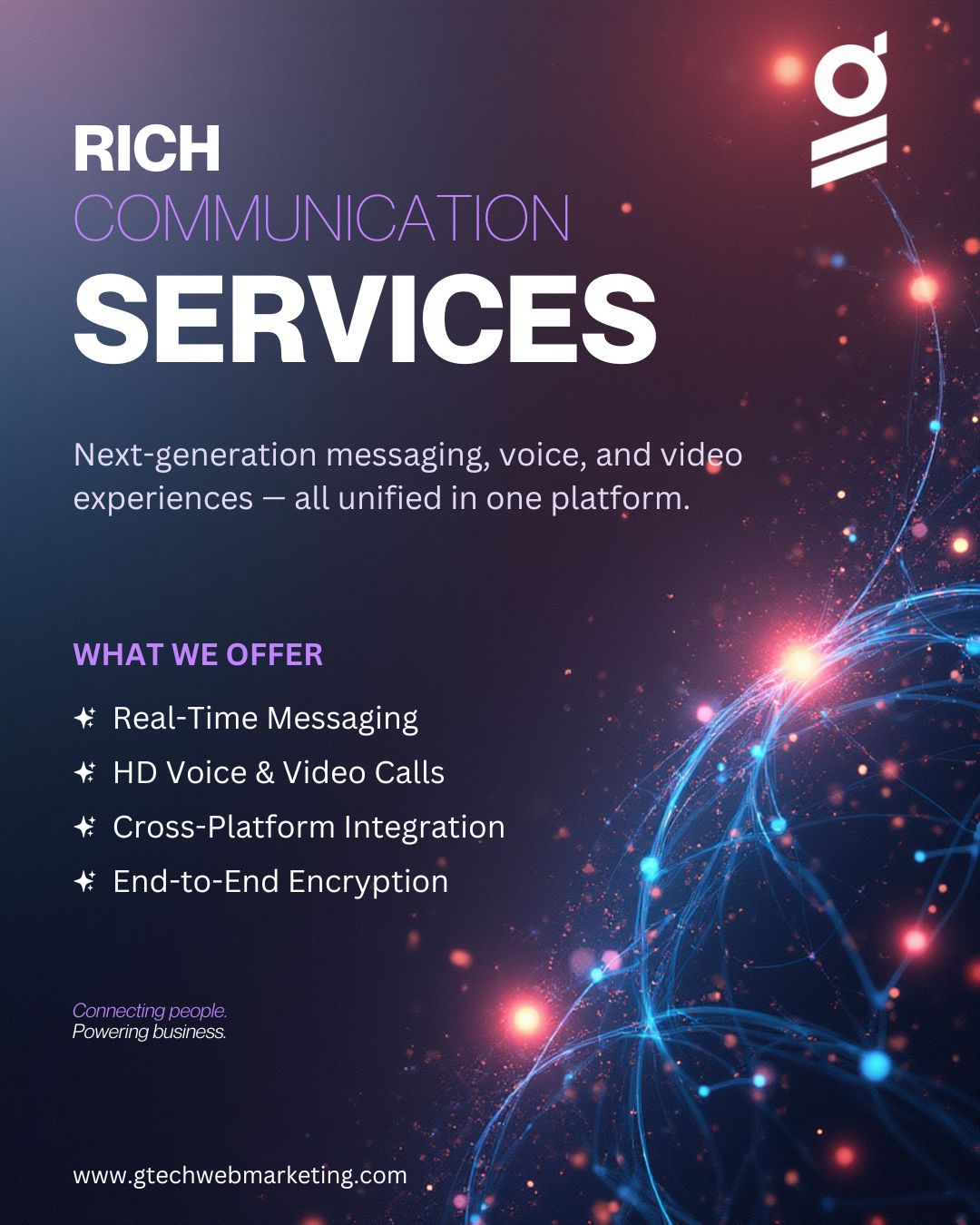
In today’s digital world, communication plays a vital role in connecting businesses with customers. While traditional SMS has been a reliable messaging channel for decades, it lacks the interactive features that modern users expect. This is where Rich Communication Services (RCS) comes into the picture. RCS is an advanced messaging protocol designed to enhance the mobile messaging experience by offering rich media, interactive features, and real-time engagement capabilities.
What is Rich Communication Services (RCS)?
Rich Communication Services (RCS) is a next-generation messaging technology that upgrades traditional SMS and MMS. Developed to provide a more dynamic and engaging communication experience, RCS allows users to send high-resolution images, videos, audio files, location data, and interactive messages directly through their mobile messaging applications.
Unlike SMS, which is limited to plain text and basic multimedia, RCS enables businesses and consumers to communicate using branded, interactive, and visually appealing messages. It works through internet connectivity and is supported by many mobile operators and Android devices worldwide.
Key Features of RCS
RCS introduces several powerful features that significantly improve messaging capabilities:
1. Rich Media Sharing
Users can send and receive high-quality images, videos, GIFs, and documents without the limitations associated with MMS.
2. Read Receipts
Similar to popular messaging apps, RCS allows senders to know when a message has been delivered and read.
3. Typing Indicators
Users can see when the recipient is typing a response, creating a more conversational experience.
4. Interactive Buttons
Businesses can include action buttons such as “Buy Now,” “Book Appointment,” or “Track Order” directly within messages.
5. Branded Messaging
Companies can display their verified brand name, logo, and business information, helping build trust and brand recognition.
6. Group Chats
RCS supports enhanced group conversations with features such as participant management and multimedia sharing.
Benefits of RCS for Businesses
As customer expectations continue to evolve, businesses are seeking more engaging ways to communicate. RCS offers several advantages that make it a valuable communication channel.
- Enhanced Customer Engagement
Interactive content and rich media make messages more attractive and engaging than traditional SMS. Customers are more likely to interact with visually appealing content that includes images, videos, and call-to-action buttons.
- Improved Customer Experience
RCS provides a seamless and app-like experience within the native messaging application. Customers can browse products, make purchases, schedule appointments, or receive support without leaving the conversation.
- Increased Brand Trust
Verified sender profiles help customers identify legitimate businesses, reducing the risk of fraud and improving confidence in business communications.
- Higher Conversion Rates
Interactive messaging capabilities simplify customer journeys and encourage immediate action. Businesses can guide customers directly to purchases, bookings, or support services through embedded buttons and links.
- Better Analytics
RCS offers detailed delivery reports, read receipts, and engagement metrics, allowing businesses to measure campaign performance more accurately.
Common Business Use Cases
Many industries are adopting RCS to improve customer communication and engagement.
- Retail and E-commerce
Retailers use RCS to send personalized product recommendations, promotional offers, abandoned cart reminders, and order updates.
- Banking and Financial Services
Banks leverage RCS for transaction alerts, account notifications, fraud prevention messages, and customer support interactions.
- Travel and Hospitality
Airlines and hotels can send booking confirmations, boarding passes, itinerary updates, and travel notifications through rich messaging.
- Healthcare
Healthcare providers use RCS for appointment reminders, health notifications, patient communication, and service updates.
- Customer Support
Businesses can provide interactive customer service experiences, allowing customers to access information, troubleshoot issues, and connect with support representatives directly through messaging.
RCS vs. Traditional SMS
| Feature | SMS | RCS |
| Character Limit | Limited | Extended |
| Rich Media Support | Basic | Advanced |
| Read Receipts | No | Yes |
| Typing Indicators | No | Yes |
| Interactive Buttons | No | Yes |
| Branded Messaging | No | Yes |
| Analytics | Limited | Detailed |
This comparison highlights why RCS is increasingly viewed as the natural evolution of SMS messaging.
The Future of RCS
As mobile communication continues to evolve, RCS is expected to play a major role in transforming business messaging. With growing support from mobile operators, device manufacturers, and technology providers, RCS is becoming a powerful alternative to standalone messaging apps.
Businesses are increasingly investing in RCS because it combines the broad reach of SMS with the rich functionality of modern messaging platforms. As adoption expands globally, organizations will have more opportunities to deliver personalized, interactive, and engaging customer experiences.
Conclusion
Rich Communication Services (RCS) represents the next generation of mobile messaging, offering capabilities far beyond traditional SMS. With features such as rich media sharing, branded messaging, interactive buttons, and real-time engagement tools, RCS enables businesses to create meaningful customer interactions directly within the native messaging app. As customer expectations for seamless digital communication continue to rise, RCS is positioned to become a key channel for customer engagement, marketing, and support in the years ahead.