
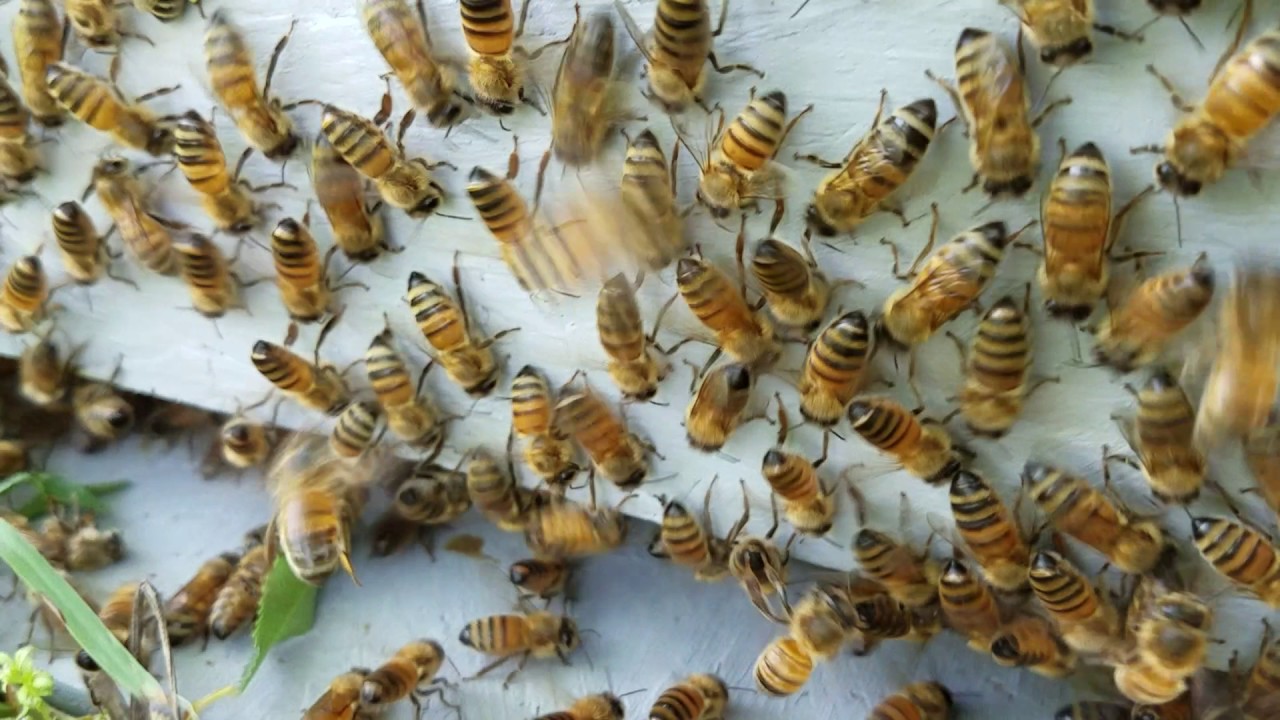
Many homeowners become concerned when they notice small insects flying low over their lawns or entering tiny holes in the soil. In many cases, these insects are ground bees, a diverse group of pollinators that build nests beneath the surface rather than in trees, walls, or traditional hives. Their sudden appearance can cause alarm, especially when dozens of bees seem to emerge from the ground at once. However, understanding their behavior is the first step toward determining whether they pose a genuine threat.
Ground-nesting bees are found throughout many regions and play a vital role in local ecosystems. Unlike honey bees, which live in large colonies, many ground-dwelling species are solitary. Each female creates her own nest, lays eggs, and gathers food for developing offspring without relying on a large worker population. Although numerous nests may appear close together, the bees are often living independently rather than functioning as a single colony.
Pollination is one of the most valuable services these insects provide. Many flowering plants, fruits, vegetables, and ornamental species depend on pollinators to reproduce successfully. As bees travel from flower to flower collecting nectar and pollen, they transfer pollen grains that facilitate plant reproduction. This process contributes to biodiversity, food production, and healthy landscapes.
Are Ground Bees Dangerous to People and Pets?
One of the most common questions homeowners ask is whether ground bees are dangerous. The short answer is that, in most situations, they present very little risk to humans and pets. While they are capable of stinging, they are generally far less aggressive than many people assume. Most solitary bee species exhibit remarkably calm behavior. Female bees possess stingers, but they typically use them only when directly threatened or physically handled. Unlike social species that defend large colonies, solitary bees have little reason to attack perceived intruders. Their primary concern is gathering pollen, constructing nests, and caring for offspring.
Male bees, which are often seen hovering near nesting sites, cannot sting at all. These males frequently patrol nesting areas while searching for mates. Their presence may appear intimidating because they fly close to the ground and sometimes approach people out of curiosity. However, they pose no stinging threat. Pets are also generally at low risk. Dogs and cats may encounter bees while exploring outdoor spaces, but serious incidents are uncommon. Problems usually arise only when animals attempt to catch, bite, or disturb insects directly. In such cases, a defensive sting may occur.
The perception of danger often increases when numerous bees occupy a single area. Large nesting aggregations can create the impression of an aggressive colony, even when individual insects remain focused on their own nests. This misunderstanding leads some homeowners to pursue unnecessary extermination measures. Allergic reactions remain an important consideration. Although bee stings are relatively uncommon in these situations, individuals with known insect sting allergies should exercise caution around any pollinator species. Severe allergic responses require immediate medical attention regardless of the type of bee involved.
Why Ground Bees Choose Residential Properties
The appearance of ground bees in residential landscapes is rarely random. These insects carefully select nesting locations based on environmental conditions that support successful reproduction. Understanding what attracts them can help homeowners manage expectations and make informed landscaping decisions. Soil quality is one of the most significant factors influencing nesting behavior. Many species prefer loose, well-drained soil that is easy to excavate. Areas with compacted clay or excessive moisture are generally less attractive than dry, sandy, or lightly textured soils.
Sunlight exposure also plays a critical role. Bees often select locations that receive ample sunlight throughout the day. Warm soil temperatures support nesting activities and may contribute to successful development of offspring. Lawns with sparse vegetation frequently attract nesting females. While thick grass can make excavation difficult, patches of bare soil provide easy access. Homeowners may notice increased activity in areas where grass coverage is thin or recently disturbed.
When significant bee activity occurs around homes, some residents explore professional options for evaluation. For example, homeowners researching pollinator management and relocation strategies may encounter services such as a residential bee removal service in Los Angeles while seeking solutions that prioritize both safety and environmental responsibility. The relationship between landscaping choices and pollinator behavior highlights the importance of understanding ecological interactions. Small changes in environmental conditions can influence where bees choose to establish nests and how visible they become within residential settings.
Managing Ground Bee Activity Without Harming Pollinators
When homeowners discover active nesting sites, their first instinct may be to eliminate the insects immediately. However, responsible management often focuses on coexistence rather than eradication. Because these bees provide valuable pollination services, non-lethal approaches are generally preferred whenever possible. Observation is often the best initial response. Many nesting aggregations remain active for only a few weeks before activity naturally declines. Understanding the temporary nature of many bee populations can reduce unnecessary interventions.
Restricting access to nesting areas may be helpful when activity occurs in heavily used portions of a yard. Temporary barriers or alternative walking routes can minimize interactions while allowing bees to complete their life cycle undisturbed. Landscape modifications may discourage future nesting. Increasing grass density, applying mulch to exposed soil, and improving ground cover can reduce suitable nesting habitat over time. These changes often provide long-term management benefits without harming pollinator populations.
Water management can also influence nesting suitability. Adjusting irrigation practices may alter soil conditions enough to discourage future excavation in specific areas. However, any changes should be balanced against overall landscape health. Education remains one of the most effective tools available to homeowners. Learning to identify bee species and understand their behavior often reduces fear while encouraging informed decision-making. Many concerns arise from misconceptions rather than actual risks.
Long-Term Benefits of Understanding Ground Bees
Developing a better understanding of ground bees benefits homeowners in several ways. Knowledge helps replace fear with confidence, enabling individuals to respond appropriately when pollinator activity occurs around their properties. One of the greatest advantages is improved environmental stewardship. Pollinators support countless plant species that contribute to healthy ecosystems. By recognizing their importance, homeowners can make decisions that benefit both wildlife and local landscapes.
Gardens often become more productive when pollinator populations thrive. Fruits, vegetables, and ornamental plants frequently depend on insect pollination for successful growth and reproduction. Healthy pollinator communities contribute directly to garden success. Biodiversity also benefits from pollinator conservation. Bees support a wide range of ecological relationships that influence plant communities, wildlife habitats, and overall environmental resilience. Protecting pollinators helps maintain these important connections.
Ground bees are generally not dangerous and rarely pose significant threats to people or pets. While their nesting behavior may initially seem concerning, these insects are typically gentle pollinators focused on reproduction rather than aggression. Understanding why they choose residential properties, how they behave, and how to manage their presence responsibly allows homeowners to make informed decisions. By prioritizing education, observation, and environmentally conscious practices, individuals can coexist successfully with these beneficial insects while supporting healthier ecosystems and more vibrant landscapes for future generations.