Paper cups are a common part of daily life. You see them in coffee shops, offices, restaurants, and takeaway counters. They make serving hot and cold drinks easier, especially when customers are in a hurry. However, a plain cup does not always reflect the look or personality of a business. That is where custom single-wall paper cups can make a difference. They allow businesses to add their logo, brand colors, and other simple design details to everyday drinkware.Choosing the right cups involves more than selecting an attractive print. Businesses also need to consider cup size, paper quality, printing methods, and the types of drinks they serve. A good choice should be practical for staff and comfortable for customers. It should also fit the business budget and support its overall presentation. Understanding these details helps businesses order cups that look good and work well during everyday service.
Understanding Cup Design
A paper cup may look simple, but its design affects how well it performs. A Single Wall Paper Cups is made with one main layer of paperboard, usually supported by a coating that helps prevent liquid from soaking through. This construction keeps the cup lightweight and easy to store. It also makes the cup suitable for many everyday serving situations. Businesses can choose different capacities depending on their menu, from small espresso servings to larger portions of coffee, tea, and cold drinks. The shape, rim, and base should also be considered because they affect handling and stability. Before ordering, check that the cup suits the intended drink and serving conditions.
Benefits For Businesses
For many food and beverage businesses, single-wall paper cups offer a practical balance between convenience and presentation. Their lightweight design makes them easy to carry, stack, and store behind a busy counter. Staff can prepare takeaway orders quickly without spending extra time handling complicated packaging. These cups can also help businesses maintain a consistent appearance across different locations or service points. Since they use a single main paperboard wall, they may cost less than some double-wall alternatives. However, the final price depends on cup size, paper quality, printing, and order quantity. Businesses should compare these factors before deciding which option offers the best value for their daily needs.
Choosing Suitable Materials
The material used to make a cup affects its strength, appearance, and ability to hold liquids. Good-quality paperboard should maintain its shape during normal use and provide a comfortable drinking experience. The inner coating is equally important because it helps resist moisture and reduces the risk of leakage. Businesses should also consider the temperature of the drinks they plan to serve. A cup designed for cold beverages may not perform well with hot coffee. Although single-wall cups are lightweight and convenient, they generally provide less insulation than double-wall cups. Customers may need a sleeve when handling very hot drinks. Checking material specifications and testing samples can help prevent problems after a large order arrives.
Designing Effective Branding
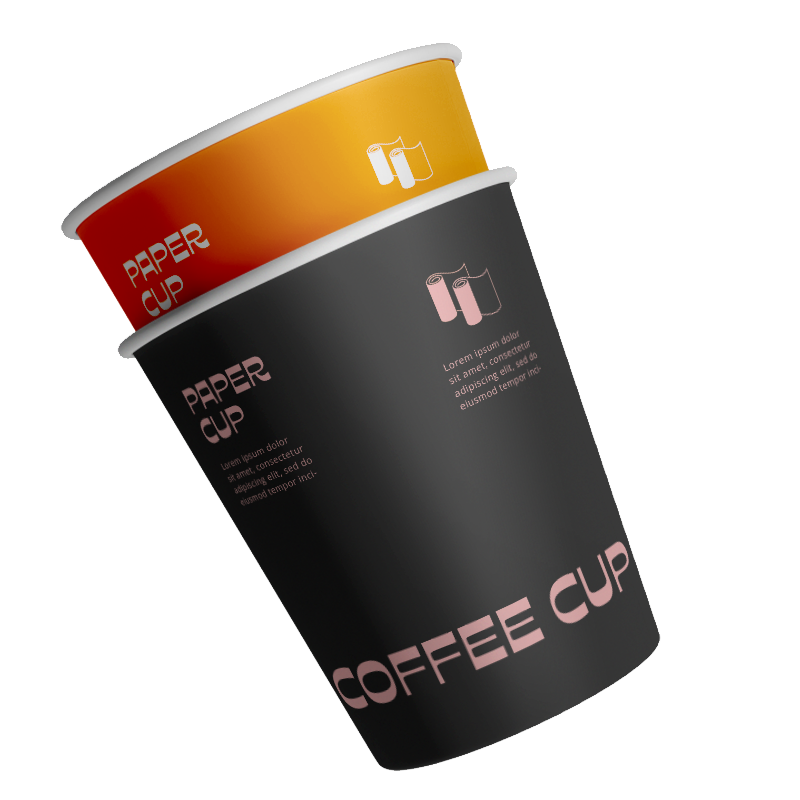
A printed cup can become a small but useful part of a business’s visual identity. Customers often carry takeaway drinks through offices, shopping areas, and public spaces, giving a printed logo additional visibility. For this reason, branded single-wall paper cups should have a clear and readable design rather than too many decorative elements. A business can use its logo, brand colors, website, or a short message to create a recognizable appearance. Contrast matters because pale text can disappear against a light background. The artwork should also fit the printable area without touching the rim or other restricted sections. Requesting a digital proof before production helps businesses check colors, spelling, alignment, and overall appearance.
Selecting Cup Sizes
The right cup size depends on the drinks on the menu and the preferences of customers. Smaller cups work well for espresso and tasting portions, while medium sizes are often suitable for regular tea or coffee. Larger options can serve iced drinks, generous coffee portions, or other takeaway beverages. Businesses should review their sales patterns before ordering several sizes. Too many variations can make storage and stock management more complicated. A simple range may be easier for staff to handle and easier for customers to understand. If customers frequently request takeaway lids, check compatibility before placing an order. Single-wall paper cups with lid options can be useful for travel, provided the lid fits securely and suits the intended beverage.
Working With Suppliers
Finding a reliable supplier requires custom paper coffee cups more than comparing prices. Businesses should ask about available sizes, paper specifications, printing quality, minimum order quantities, and production times. Samples are particularly useful because they allow buyers to check cup strength, print clarity, and how the product feels in the hand. Clear communication also helps prevent errors in artwork and delivery arrangements. Experienced single-wall paper cup suppliers should be able to explain their product options and provide accurate specifications. It is also worth asking how damaged products or production mistakes are handled. For businesses ordering regularly, consistent quality and dependable delivery may be more valuable than a slightly lower unit price from an unfamiliar seller.
Managing Heat Safely
Hot drinks require extra attention because a single-wall paper cup offers limited insulation. Coffee and tea can make the outer surface uncomfortable to hold when served at high temperatures. A cardboard sleeve can improve grip and reduce direct heat transfer to the customer’s hand. Businesses should select cups that are suitable for their serving temperatures and follow the supplier’s instructions. Single-wall hot paper cups should be tested with the drinks they will hold during normal service. Staff should avoid filling cups beyond a safe level and should use compatible lids when needed. A sleeve may add a small cost, but it can improve comfort and make takeaway service easier. Customer safety should always come before packaging savings.
Planning Future Orders
Good ordering decisions can reduce waste and make everyday operations smoother. Before confirming a large purchase, businesses should estimate their weekly or monthly usage and consider seasonal changes in demand. A small café may need fewer cups than a busy restaurant or event catering company. Buyers should also check storage space, delivery schedules, and the shelf life of printed packaging. Comparing single-wall paper cup manufacturers can help businesses understand differences in customization, production capacity, and quality control. Ask whether the manufacturer can maintain the same design and specifications across repeat orders. It is sensible to begin with a manageable quantity, review customer feedback, and adjust future orders based on actual use rather than assumptions.
Conclusion
Choosing the right paper cups can improve daily service while giving a business a more consistent appearance. Material quality, cup size, print design, heat handling, and supplier reliability all deserve attention. Custom single-wallpaper cups can be a useful choice for cafés, restaurants, offices, and takeaway businesses that want practical packaging with a recognizable brand identity. The best option depends on the drinks being served, the customer experience the business wants to provide, and the available budget.Before placing an order, compare samples and review the product specifications carefully. Check printing details, lid compatibility, minimum quantities, and delivery arrangements. A well-planned purchase can reduce unnecessary waste and make restocking easier. With the right balance of quality, design, and cost, businesses can choose cups that meet everyday needs without making packaging more complicated than necessary.