
The women’s hygiene and personal care industry is evolving as consumers become more aware of menstrual health, everyday hygiene, and product quality. Changing lifestyles, improved access to hygiene information, and growing interest in convenient personal care solutions are influencing how products are developed, manufactured, and distributed.
For manufacturers and businesses, understanding these developments is important for meeting consumer expectations and identifying new market opportunities. From improved absorbent materials to customized product packaging, innovation is becoming an important part of the women’s hygiene manufacturing sector.
Growing Awareness of Menstrual Hygiene
Awareness of menstrual hygiene has increased significantly, encouraging consumers to pay greater attention to product selection and personal care practices.
Consumers are increasingly looking for products that offer suitable absorbency, comfortable construction, and convenient usage. This has encouraged manufacturers to focus on improving product specifications and expanding their product portfolios.
Sanitary pads remain an important category, while period panties and other menstrual care alternatives are also gaining attention among consumers seeking different product options.
For businesses, understanding these preferences can help them select relevant products and develop more effective product portfolios.
Innovation in Women’s Hygiene Products
Product innovation is an important factor influencing the development of the personal hygiene industry. Manufacturers are exploring different materials, product designs, and packaging approaches to address changing consumer requirements.
Some notable product categories include:
Sanitary Pads: Improvements in absorbent materials, surface construction, and product design help address different menstrual flow requirements.
Period Panties: These products combine underwear-style designs with absorbent layers, providing an alternative option for menstrual care.
Intimate Wipes: Portable packaging and convenient formats make these products useful for external personal hygiene when access to water is limited.
Sweat Pads: These products are designed to help manage perspiration and moisture in specific areas.
Cramp Relief Patches: These products are developed for temporary comfort during menstrual discomfort, depending on their ingredients and intended use.
A diversified product portfolio enables businesses to serve different customer preferences and market segments.
Increasing Demand for Comfortable and Convenient Products
Modern consumers often prefer personal care products that fit easily into their daily routines. Convenience, comfortable construction, suitable packaging, and clear usage instructions influence purchasing decisions.
Manufacturers must therefore consider practical product features during development.
For example, individually packaged hygiene products can offer greater convenience during travel, while suitable product dimensions and flexible materials can improve usability.
Comfort should always be considered alongside product performance and appropriate safety requirements.
Greater Attention to Material Quality and Product Safety
Consumers are becoming more conscious of the materials and ingredients used in personal hygiene products. This has encouraged businesses to provide clearer product information and manufacturers to pay closer attention to raw material selection.
Quality-focused manufacturing involves evaluating materials according to their intended application and establishing suitable inspection procedures.
Important considerations include:
- Material suitability for skin contact.
- Absorbency and moisture management.
- Product durability and construction.
- Appropriate fragrance and ingredient information.
- Packaging integrity and storage conditions.
- Consistent production specifications.
Manufacturers should also maintain relevant quality records and ensure that products meet applicable regulatory requirements.
Growth of OEM and Private-Label Manufacturing
OEM and private-label manufacturing are creating opportunities for businesses that want to introduce their own women’s hygiene brands.
Through these arrangements, companies can collaborate with established manufacturers instead of investing in independent production infrastructure.
Private-label manufacturing can support businesses through customized packaging, branding, product specifications, and production arrangements.
This model is particularly relevant for:
- Personal care startups.
- Pharmaceutical distributors.
- Healthcare product wholesalers.
- Retail chains and supermarkets.
- E-commerce businesses.
- International importers and exporters.
Before selecting a manufacturing partner, businesses should evaluate production capabilities, minimum order quantities, customization options, quality procedures, and delivery schedules.
Opportunities for Women Care Products Manufacturers in India
India offers significant business opportunities in the personal care and hygiene manufacturing sector. Increasing awareness of women’s hygiene, wider distribution networks, and changing consumer preferences are creating demand for diverse product solutions.
Consequently, Women Care Products Manufacturers in India are positioned to serve retailers, wholesalers, distributors, private-label brands, and international business partners.
However, manufacturers must focus on more than increasing production volumes. Consistent quality, suitable product development, packaging, and dependable supply operations are important for maintaining competitiveness.
Businesses seeking manufacturing partnerships should prioritize suppliers with suitable infrastructure, transparent communication, and the ability to manage their long-term requirements.
The Importance of Choosing the Right Manufacturing Partner
Selecting the right manufacturing partner can influence product quality, customer satisfaction, and business growth.
Reliable Women Care Products Manufacturers should demonstrate their ability to manage production requirements while maintaining consistent product specifications.
Businesses should assess potential partners based on the following factors:
- Manufacturing experience and infrastructure.
- Product portfolio and customization capabilities.
- Raw material sourcing procedures.
- Quality assurance and inspection practices.
- OEM and private-label support.
- Production capacity and order management.
- Relevant certifications and regulatory documentation.
A well-informed selection process can reduce sourcing challenges and help businesses establish sustainable manufacturing relationships.
How NEL Lifecare Contributes to the Women’s Care Industry
NEL Lifecare Products India Pvt. Ltd. operates in the healthcare, personal care, and hygiene manufacturing industry, offering product solutions for different business requirements.
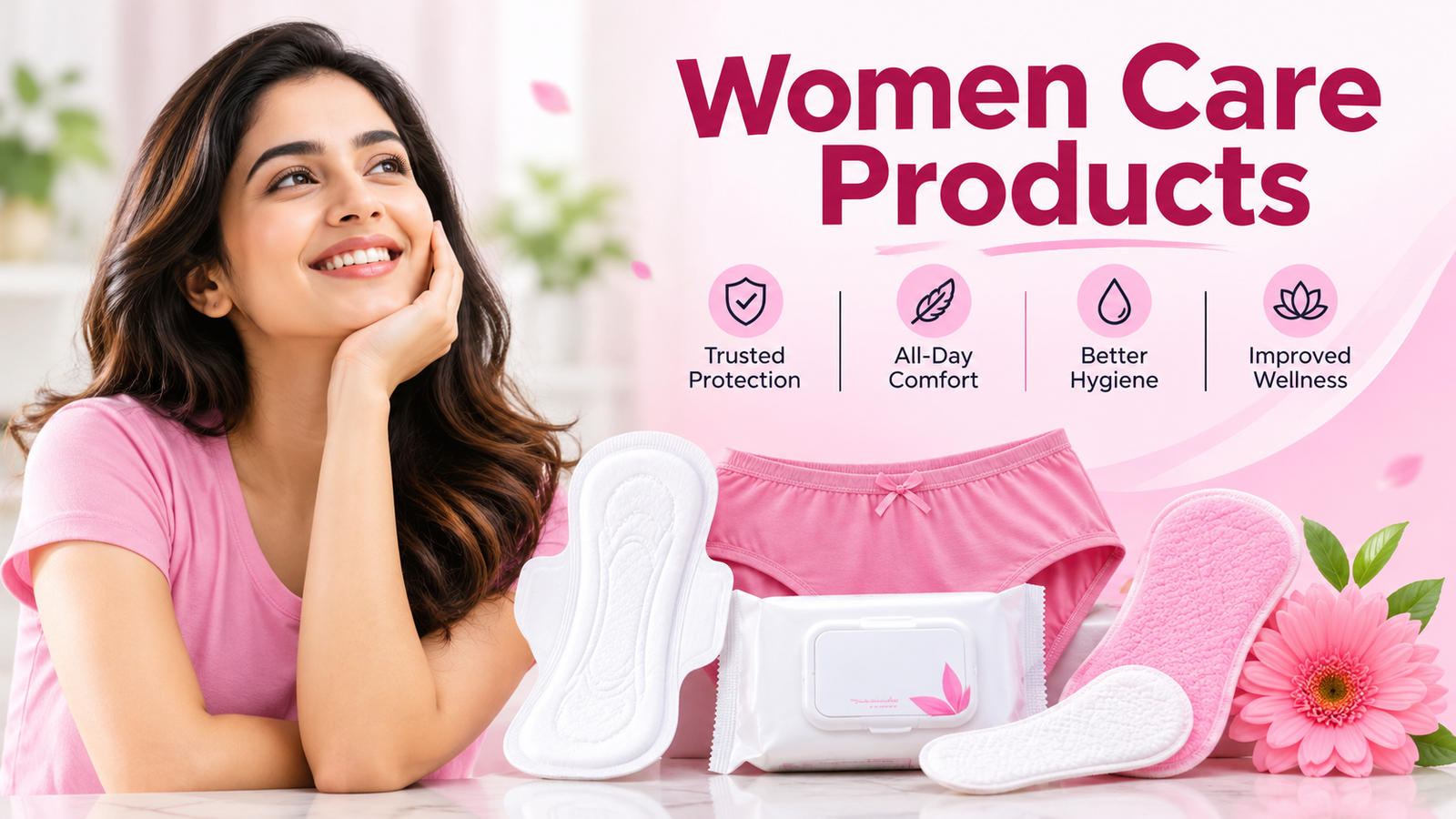
Its women’s care portfolio includes sanitary pads, period panties, intimate wipes, sweat pads, and cramp relief patches.
The company also supports businesses through OEM manufacturing solutions, allowing brands to explore product sourcing and private-label opportunities.
Retailers, distributors, wholesalers, and businesses interested in expanding their hygiene product portfolios can explore the Women Care Products offered by NEL Lifecare.
Understanding the available product categories and manufacturing capabilities can help businesses evaluate suitable sourcing opportunities.
Conclusion
The women’s hygiene and personal care industry continues to evolve through changing consumer preferences, product innovation, and expanding manufacturing opportunities. Greater attention to material quality, comfortable designs, convenient packaging, and reliable production practices is shaping the future of this sector.
For businesses, partnering with dependable manufacturers is essential for maintaining product consistency and responding to market requirements.
By focusing on quality, innovation, and customer expectations, Women Care Products Manufacturers can contribute to the development of a more diverse and competitive women’s hygiene industry.