As we navigate the natural aging process, the delicate skin around our eyes often becomes one of the first areas to exhibit signs of time, such as sagging, puffiness, or persistent wrinkles. Many individuals consider Eyelid Surgery in Abu Dhabi to address these changes, seeking to restore a more refreshed and alert appearance to their facial features. This procedure, known medically as blepharoplasty, is a highly effective way to refine the eyelids by managing excess skin, fat, and muscle tissue that may have shifted or weakened over the years.
- The area around the eyes is highly susceptible to visible aging, including sagging skin and fat herniation.
- Blepharoplasty serves as a popular solution for both aesthetic enhancement and functional improvement of the eye region.
- By addressing these concerns, the surgery can restore a youthful balance and help individuals feel more confident in their appearance.
The Dual Nature of Eyelid Surgery: Functional and Aesthetic Goals
Blepharoplasty is unique in its ability to serve dual purposes, often bridging the gap between medical necessity and cosmetic enhancement. While many people associate the procedure primarily with vanity, it plays a vital role in restoring the structural integrity and functionality of the eyelids. Whether the motivation is to clear an obstructed field of vision or to smooth out the transition between the lower eyelid and the cheek, the surgical approach is tailored to the specific anatomical needs of the patient.
- Functional goals focus on correcting issues that interfere with sight, such as upper eyelid hooding that blocks peripheral vision.
- Aesthetic goals aim to rejuvenate the appearance by addressing signs of aging like “bags” under the eyes or deep wrinkles.
- A comprehensive surgical plan often considers the harmony between the eyelids, eyebrows, and the surrounding facial structures.
Addressing Upper Eyelid Concerns
The upper eyelids are frequently the site of significant age-related changes, primarily due to the loss of skin elasticity. Over time, the skin can become redundant and begin to drape over the eyelashes, a condition often described as hooding. This excess tissue does not only alter the aesthetic contour of the eyes but can also create a sensation of heaviness. For many, this leads to an exhausted appearance, regardless of how much sleep they have actually received.
- Upper blepharoplasty targets the removal of excess, sagging skin that creates a tired or sad expression.
- By repositioning or removing fat and tightening underlying muscles, the surgeon can restore a natural, alert look to the eyes.
- Removing redundant skin can alleviate the constant need to raise the eyebrows to see clearly, which may also reduce associated frontal headaches.
Revitalizing the Lower Eyelids
Lower eyelid concerns often center on the presence of “bags” or puffiness, which are typically caused by the herniation of orbital fat. As the orbital septum weakens, the fat that normally cushions the eye can bulge forward, creating a visible protrusion. Furthermore, the skin may lose its elasticity, leading to the development of fine lines or a hollow appearance, sometimes referred to as a tear trough deformity. Addressing these issues can dramatically alter the lower periorbital region, creating a smoother transition from the eyelid to the cheek.
- Lower eyelid surgery is designed to address herniated fat pads and sagging skin that contribute to a puffy under-eye look.
- Techniques used in lower blepharoplasty may include fat repositioning or excision to create a more youthful, flat contour.
- Addressing the nasojugal groove (tear trough) can help remove the “shadowy” or sunken appearance that often makes one look perpetually fatigued.
When Should You Consider Eyelid Surgery?
Deciding whether to undergo eyelid surgery is a personal journey that often begins when an individual feels their external appearance no longer reflects their internal vitality. Common indicators that one might benefit from this procedure include a persistent, tired appearance or a feeling of heaviness in the upper lids. While aging is the most frequent driver for consultation, genetic predispositions can also cause these changes to appear earlier in life.
- Candidates often report feeling that their eyes look “sad” or “worried” due to drooping skin or under-eye bags.
- Those who struggle with their peripheral vision due to overhanging eyelid skin may find the procedure provides a significant improvement in their quality of life.
- Genetic factors can sometimes result in eyelid laxity even in younger adults, making them suitable candidates for a refined, natural-looking correction.
Complementary Facial Rejuvenation
It is quite common for eyelid surgery to be performed in conjunction with other facial procedures to achieve a more harmonious and balanced result. Because the brow position, mid-face volume, and skin quality are all interconnected, addressing the eyelids alone may not always be enough to meet a patient’s ultimate goals. By combining treatments, individuals can often achieve a more comprehensive rejuvenation that addresses multiple signs of aging in a single recovery period.
- Combining a brow lift with upper eyelid surgery can enhance the overall balance of the upper third of the face.
- Facelifts and neck lifts are often paired with eyelid procedures to create a more youthful and tightened appearance across the entire facial profile.
- Non-surgical adjuncts like chemical peels or laser resurfacing can be used to treat superficial skin texture, pigmentation, and fine lines that surgery alone cannot address.
Understanding the Procedure and Recovery
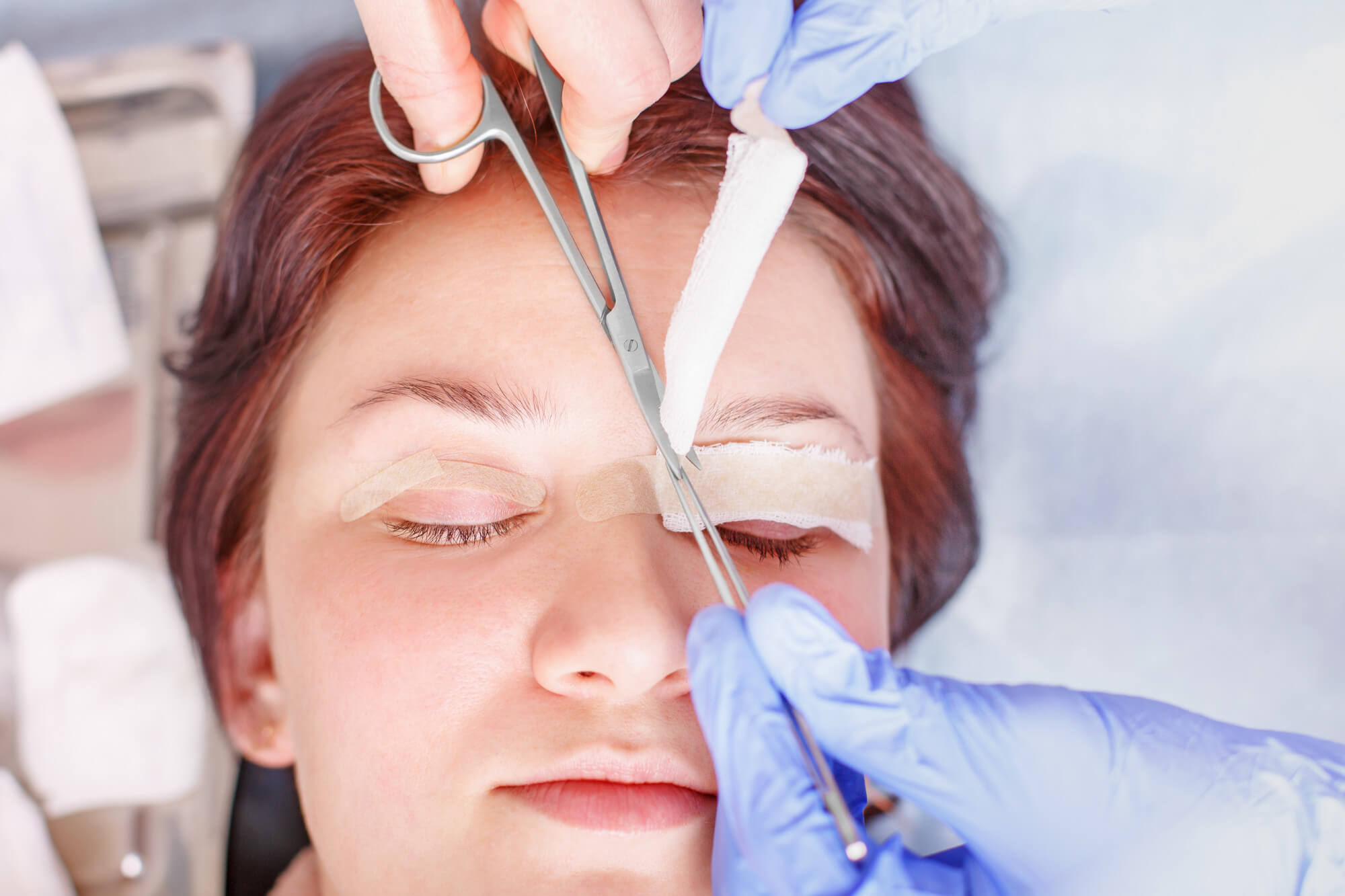
The procedure itself is typically an outpatient one, allowing patients to return home shortly after surgery. Depending on the complexity and whether upper or lower lids (or both) are being addressed, the surgery may be performed under local or general anesthesia. During the procedure, the surgeon makes careful incisions—often hidden in the natural creases of the upper eyelids or just below the lash line for the lower eyelids—to access the target tissues.
- Incisions for upper blepharoplasty are strategically placed in the natural eyelid crease to ensure that any resulting scarring is minimally visible.
- For lower eyelid surgery, the transconjunctival approach (inside the eyelid) is a common technique that avoids visible external scarring.
- Recovery involves a period of healing during which the eyes may be swollen or bruised; however, these effects are generally temporary and subside as the tissues settle.
Long-Term Benefits and Expectations
The results of eyelid surgery are generally long-lasting. While the procedure cannot stop the aging process entirely, it effectively “resets the clock” by removing the excess tissues that contribute to a tired look. By maintaining a healthy lifestyle, protecting the skin from excessive sun exposure, and following a consistent skincare routine, patients can enjoy their rejuvenated appearance for several years to come.
- Patients frequently report a boost in self-esteem and confidence after seeing the corrected, brighter appearance of their eyes.
- The results are designed to look natural, ensuring that the patient still looks like themselves—just more alert and refreshed.
- Long-term satisfaction is highest among those who have clear, realistic expectations and maintain a proactive approach to their overall facial health.
Frequently Asked Questions
Is eyelid surgery only for older adults?
While eyelid surgery is most commonly performed on individuals who have noticed the effects of aging, it is not strictly limited to older adults. Younger patients may also pursue the procedure if they have genetic conditions or hereditary traits that cause puffy eyes or hooded eyelids.
Does eyelid surgery improve vision?
For many individuals, upper eyelid surgery provides a functional benefit by removing skin that overhangs the lash line. By clearing this obstructing tissue, patients often experience an improvement in their peripheral vision, which can make daily activities like driving or reading more comfortable.
Can I combine eyelid surgery with other facial procedures?
Yes, it is very common to combine blepharoplasty with procedures like a brow lift, facelift, or non-surgical treatments such as laser resurfacing. Combining procedures allows for a more holistic rejuvenation of the face, ensuring that the results remain balanced and aesthetically harmonious.
How long do the results of the surgery last?
The results of an eyelid lift are typically long-lasting and can be enjoyed for many years. While the natural aging process will continue, the improvement in the eyelid contours remains a permanent correction to the tissues that were removed or repositioned during the surgery.