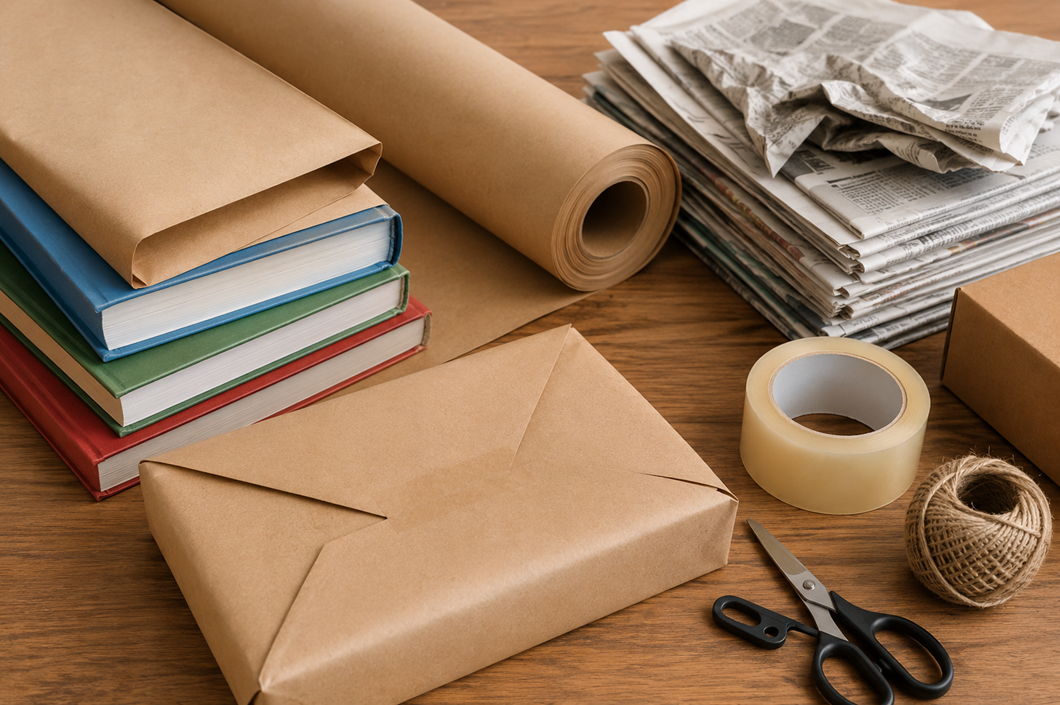
Moving books and office files can sound pretty straightforward until you open a box and see bent folders, torn covers, or paperwork that’s been hit by moisture. Whether you’re relocating an office, shipping learning materials, or just trying to get your storage under control, choosing the right parcel wrap can matter a lot more than people expect.
Lots of businesses focus only on boxes and tape, but experienced movers usually say protection isn’t just about the outer shell. It’s the packaging materials inside and around the parcel that actually help.
The good news, though? You don’t need those pricey “perfect” solutions to pack well. You mostly just need to get clear on which materials work best for different kinds of books and office files and then use them in the right way.
Understanding Different Packaging Materials
Not all packaging stuff is made for the same job. Some are better for cushioning, others are more about real strength, and some focus on moisture protection. Picking the right mix, like, in the right order… is often what makes shipping safer, or at least less risky during transport.
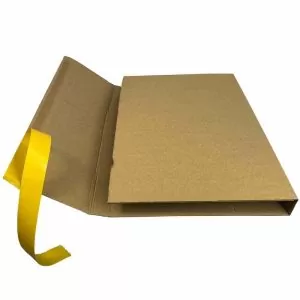
1. Book Wraps for Stronger Edge Protection
Especially designed for packaging solutions, book wraps usually fit tight around books, catalogues, notebooks and those flat office materials. They’re considered some of the safest choices for printed stuff because they help shield corners and edges from bumps and impacts.
Different from ordinary wrapping paper, book wraps actually give structural support. A lot of businesses use them for
- Hardcover books,
- Educational materials,
- Office manuals,
- Product catalogues,
- Legal documents.
Also, if you’re moving large quantities of books during office shifting, sturdy book wraps can stop cover damage and lower the chance of replacement costs, which is kind of the whole point.
2. Parcel Wrap for Secure Transportation
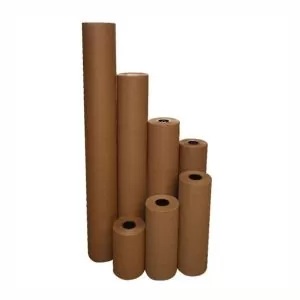
Parcel wrap is basically the outer protective layer of a package. It helps keep everything sealed and protected during storage and transit.
When you’re choosing parcel wrap, it helps to think about:
- Thickness and durability,
- Resistance to tearing,
- Moisture protection,
- Ease of handling,
- Compatibility with tape and labels,
For office files and paperwork, a strong parcel wrap keeps document integrity intact even when the journey is long-distance. Corrugated wraps, as well as kraft-based wraps, are common picks because they manage to feel durable yet still flexible, sort of balanced like that.
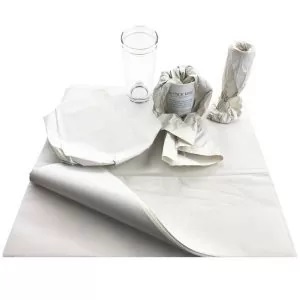
3. Newspaper Offcuts for Eco-Friendly Cushioning
Sustainability is becoming a big priority for businesses, and newspaper offcuts are getting more attention, mainly because they feel affordable and also a bit eco-conscious.
These recycled paper bits work really well for:
- Filling empty spaces inside cartons,
- Wrapping delicate office supplies,
- Giving lightweight cushioning,
- Reducing movement inside boxes,
Using newspaper offcuts can cut down waste, and it also reduces the need for plastic fillers. So yeah, many businesses now seem to prefer recycled packaging materials to support environmentally responsible practices, rather than just using whatever is cheapest at the moment.
Best Practices for Packing Books and Office Files
Even with the best packaging materials, if the packing is done carelessly, none of it will really help much. So here are a few practical tips for safer packing without overthinking it too much:
Pack Books Flat
Try not to pack books upright in those oversized boxes. When you lie them flat, you reduce pressure on the spine, and you also help stop that bending effect.
Avoid Empty Spaces
Any movement inside the box is basically one of the main reasons stuff ends up damaged. So use newspaper offcuts, or other paper fillers, to fill the gaps; don’t leave air pockets.
Use Double Protection for Important Files
For sensitive documents, put them into folders first or use waterproof sleeves before you apply parcel wrap. That small step makes a difference.
Label Everything Clearly
Packages that are clearly marked tend to get less rough handling, and unpacking later is much easier during office shifting.
Do Not Overpack
Really heavy boxes are harder to carry, and they’re more likely to tear during transit. Smaller, more manageable packages are the better call.
Why Businesses Are Investing in Better Packaging Materials?
Packaging isn’t treated like a boring protective must-have anymore. It’s become part of how customers feel and also how smoothly operations run.
When companies use better packaging materials, they can:
- Cut down on damaged deliveries
- Lower the amount spent on replacements
- Make relocation and resettling easier to manage and more organised
- Better align with sustainability targets
- Give everything a more polished look, a more professional finish
For publishing teams, schools and learning centres, corporate offices, and eCommerce sellers, choosing durable book wraps and dependable parcel wrap setups tends to be the smarter call over time.
Some Final Thoughts
Picking the right book wrap for books and office documents is not only about “just covering” a shipment. It’s also about safeguarding valuable information, keeping books in good condition, making handling less chaotic, and, yes, practically supporting sustainability.
So whether you’re arranging an office move, sending learning materials, or sorting files for long-term storage, using sturdy wraps and eco-minded newspaper offcuts can make the whole thing feel smoother, safer, and more controlled.
A bit of extra focus on packaging now can stop bigger losses later. Because when books and important papers travel securely, businesses can keep moving forward with confidence.