
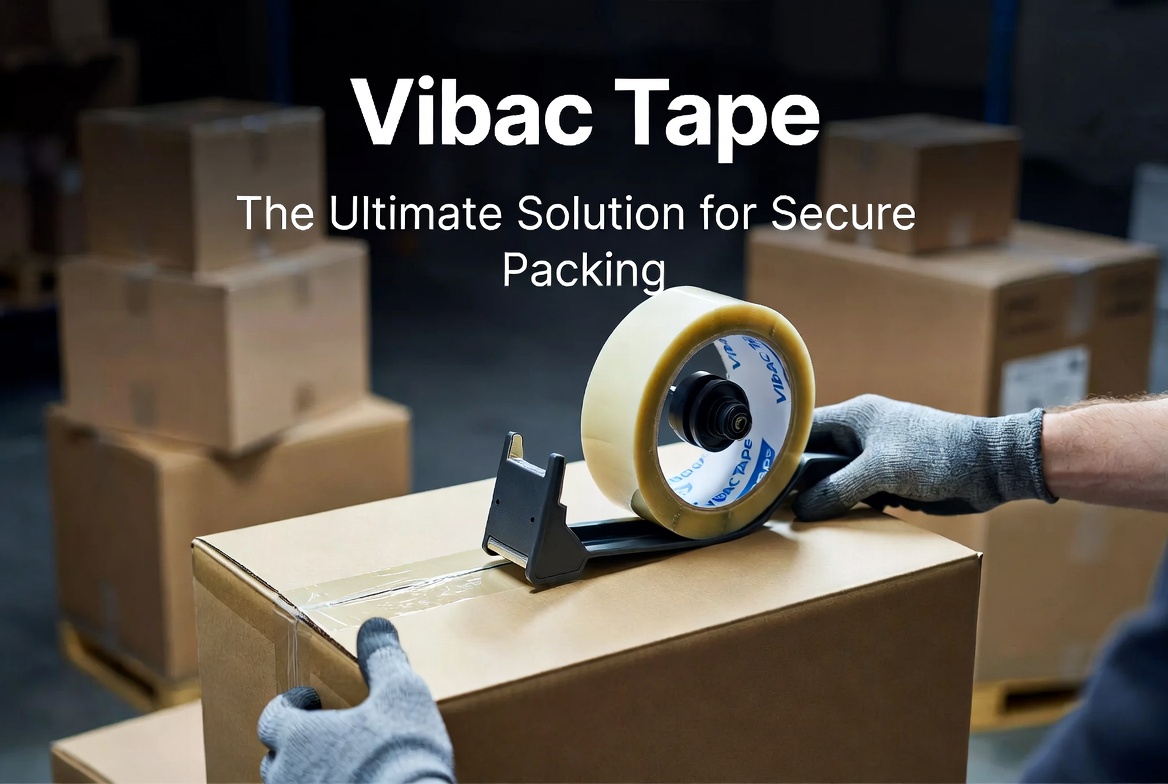
A box can be strong, well-packed and neatly labelled, but if the seal gives way, the whole job starts to fall apart.
That usually happens faster than people expect. A carton gets lifted from the base, stacked under pressure or moved more times than planned. The weak point often isn’t the board—it’s the tape.
In busy packing environments, sealing is treated as part of protection rather than an afterthought. That is why many warehouses and fulfilment teams pay close attention to the tape they use. For businesses comparing packaging companies near me, small details like reliable sealing often make a bigger difference than expected.
Why Does the Right Tape Matter So Much?
A good seal does more than close a carton. It keeps pressure balanced across the top flaps, helps the box hold shape and prevents edges from lifting during handling.
That becomes especially important with heavier cartons. When items are packed with large bubble wrap, there is often slight internal pressure. If the tape loses grip, the flaps can begin to separate.
In practical shipping operations, secure sealing reduces:
- accidental opening during transit
- dust or moisture entering the carton
- stress on the corners and edges
That is why many experienced packaging companies pay as much attention to tape performance as they do to the outer carton.
What Makes Vibac Tape a Practical Choice?
The reason many packing teams use Vibac tape comes down to consistency.
It applies smoothly, holds well under pressure and gives a clean seal without creating unnecessary bulk. In faster packing lines, that matters. A tape that pulls unevenly or snaps during use slows everything down.
Reliable tape also helps reduce waste. One clean pass is usually better than several layers of weaker sealing.
Which Types of Vibac Tape Are Commonly Used?
Different cartons need different levels of sealing strength. The choice often depends on box weight, storage conditions and handling frequency.
Clear Packing Tape
This is one of the most commonly used options for everyday packing.
It works well for:
- retail cartons
- document shipments
- lightweight household items
The clear finish keeps labels visible and gives a clean, neat appearance. It is often chosen where presentation matters as much as function.
Brown Packing Tape
Brown tape is widely used in general shipping and warehouse environments.
It is commonly used for:
- moving cartons
- storage boxes
- standard dispatch packing
Because it blends naturally with kraft board, it gives cartons a tidy and practical finish.
Heavy Duty Packing Tape
Heavier cartons need stronger sealing, especially when boxes will be stacked or handled repeatedly.
This type is often used for:
- books and dense products
- bulk orders
- long-distance shipments
In packaging operations, heavier boxes often create more tension across the flaps. A stronger seal helps hold that pressure in place.
Low Noise Tape
In busy packing rooms, sound matters more than many expect.
Low noise tape unwinds more quietly, which makes it useful for:
- fulfilment areas
- dispatch counters
- repeated daily packing work
It may seem like a small difference, but over long packing shifts, it creates a noticeably smoother working environment.
How Does Tape Perform in Real Packing Situations?
A tape can feel strong in the hand and still behave differently once it meets a full carton.
In homeware shipping, for example, ceramic products often create concentrated weight. If the tape stretches too easily, the top flaps begin to lift.
In fashion logistics, cartons may be lighter but are handled more frequently. Here, a clean seal matters because damaged openings affect both protection and presentation.
That is why reliable Vibac tape is valued not only for its strength but also for its predictable performance.
Does The Surface of the Box Affect the Seal?
Yes, more than many people realise.
Dusty cartons, rough board surfaces or overfilled boxes can all affect adhesion. Even a good tape needs a reasonably clean and flat surface to bond properly.
Simple habits improve results:
- Press the tape down firmly along the full seam
- Avoid sealing over dusty board
- Allow enough tape to fold slightly over the edges
In practical packing setups, these small details often prevent bigger problems later.
Why Is Tape Often Used Alongside Other Protective Materials?
A carton rarely relies on one element alone.
For fragile items, the outer box gives structure. Internal cushioning absorbs movement. Tape keeps everything closed and stable.
For example, when products are packed with large bubble wrap, the internal material creates cushioning but also slightly increases pressure inside the box. Proper sealing keeps the flaps from shifting during transit.
This layered approach is one reason professional packaging companies rarely think about sealing in isolation.
What Should Buyers Look for Before Choosing Tape?
A dependable tape should:
- unwind smoothly
- resist splitting during application
- maintain grip during storage and transit
- create a clean seal without excessive layering
For many buyers searching for packaging companies near me, these are often the details that separate convenient packing from repeated repacking.
Conclusion
Strong boxes matter, but the seal is what keeps everything working together.
A dependable tape supports the carton’s structure, secures the flaps, and helps protect the contents from shifting during handling. In day-to-day packing, that consistency saves time and avoids preventable damage.
That is why Vibac tape remains a trusted choice wherever reliable packing matters.