One dentist says your tooth needs to come out. Another looks at the same tooth and thinks it can be saved. Now you’re stuck between two opinions, wondering if one of them has missed something.
This happens when a tooth is badly decayed, cracked, or weakened by years of dental problems. There isn’t always one obvious answer. But before agreeing to an extraction and paying for dental implants, it helps to understand what each dentist saw, why their recommendations differ, and what evidence supports the proposed treatment.
They May Be Looking at Two Different Problems
A dentist recommending an implant might be worried about the tooth’s long-term survival. Perhaps the crack extends deep below the gumline, too little healthy structure remains, or previous treatment hasn’t worked. Saving the tooth could involve several procedures without offering a dependable result.
The other dentist might see a different possibility. A tooth with an infected nerve, for instance, could still be treatable with a root canal and a crown. A large filling or an unpleasant-looking X-ray doesn’t automatically mean the tooth must be removed.
The disagreement might come down to how each dentist judges the tooth’s chances of lasting. One might favour a predictable replacement over a complicated repair, while the other believes preserving the natural tooth remains reasonable.
Neither explanation settles the matter on its own. Ask both dentists to show you the findings behind their recommendations instead of relying solely on the final answer.
What Does the X-Ray Actually Tell You?
An X-ray provides useful information about the roots, surrounding bone, and possible infection. It doesn’t always show the full extent of a crack or reveal how much healthy tooth structure remains beneath an old crown or filling.
A dentist may need additional tests before deciding. These could include checking the tooth’s response to temperature, examining the gums, testing for movement, assessing the bite, or removing an existing restoration when clinically appropriate.
The details matter. A tooth with inflammation around its root may still be treatable, while a severe vertical root fracture can make saving the tooth unrealistic. Both might appear concerning on an X-ray, but they call for different decisions.
Ask a simple question during your next appointment: “Can you show me exactly what makes this tooth impossible to save?” A clear explanation is more useful than being told the tooth is too damaged without further detail.
Is Saving the Tooth Really Worth It?
Sometimes, yes. A tooth with a reasonable chance of lasting might be preserved through root canal treatment, a crown, or gum treatment. Keeping it avoids extraction and the need to replace that tooth, although the treatment itself comes with costs and limitations.
However, saving a tooth at any price doesn’t make sense. A severely fractured tooth or one with extensive damage below the gumline might keep causing trouble despite repeated treatment. Your dentist should explain the likely outcome, not just list the procedures available.
The American Association of Endodontists specialises in preserving natural teeth and provides information about root canal treatment and other tooth-saving options. A consultation with an endodontist, a specialist in treating problems inside teeth, can be particularly helpful when the main disagreement concerns the tooth’s restorability.
When Do Dental Implants Make More Sense?
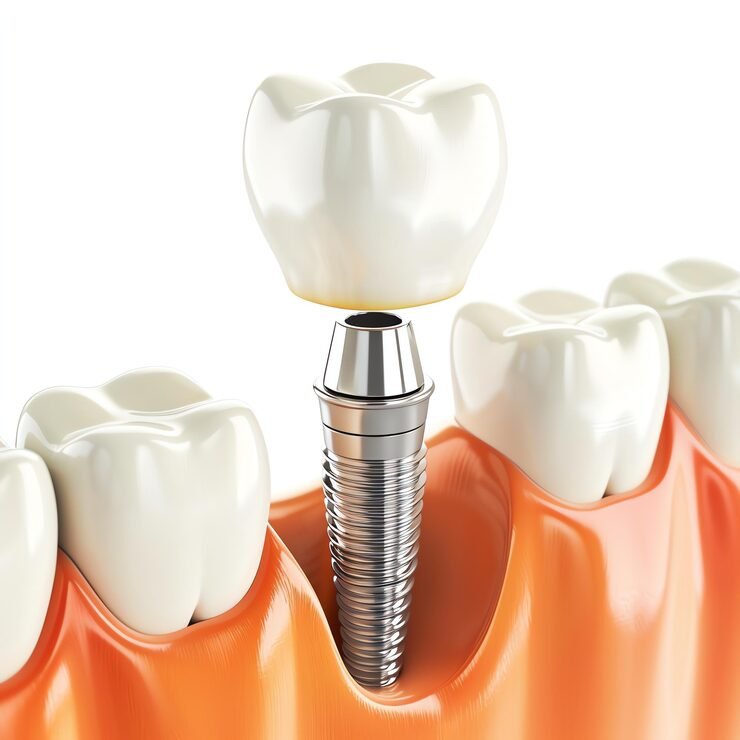
Dental implants replace missing tooth roots and support crowns, bridges, or other restorations. They can be an excellent option when a tooth cannot be saved predictably, but an implant is not automatically the better choice just because it is available.
Implant treatment involves surgery, healing, and future maintenance. The surrounding gums and bone need ongoing care, and the replacement crown can require repair or replacement over time. Certain patients also need additional procedures before an implant can be placed.
The American Academy of Periodontology’s guidance on preserving natural teeth stresses the importance of discussing treatment alternatives and their risks before removing a tooth.
This doesn’t mean extraction is wrong. It means the decision deserves a solid clinical reason, especially when the tooth might still be functional after treatment.
Get an Opinion From the Right Specialist
The next step depends on the source of the disagreement. A second general dental opinion can be useful, but a specialist may answer the question more directly.
An endodontist can assess difficult root canal cases and help determine if the tooth is likely to respond to treatment. A periodontist focuses on the gums and supporting bone, making their input useful when severe gum disease or bone loss is involved. A restorative dentist or prosthodontist can help assess if the remaining tooth structure will support a lasting restoration.
If you’re seeking another opinion in Burlington, MA, bring your existing X-rays, treatment notes, and both proposed treatment plans. You shouldn’t need to start from scratch if your records are available.
Five Questions to Ask Before Deciding
Bring these questions to your consultation. They can turn a confusing discussion into a more useful comparison.
- What exactly makes my tooth restorable or unrestorable? Ask about cracks, decay, root damage, and the amount of healthy structure left.
- What is the likely outcome if I try to save it? Find out what success would look like and what could go wrong.
- What happens if the treatment fails? Understand the next steps and possible extra costs.
- What would an implant involve in my case? Ask about surgery, healing, the crown, maintenance, and any additional procedures.
- Can a specialist review the tooth before I agree to extraction? This is especially relevant when the diagnosis remains unclear.
Compare the reasoning behind each plan, not just the price. A cheaper repair isn’t a bargain if the tooth has little chance of lasting, and an expensive implant isn’t the right answer if a sound natural tooth can still be preserved.
Choose the Option You Can Understand and Trust
You don’t have to accept an extraction recommendation without understanding it, but you also shouldn’t dismiss it simply because another dentist offered hope. Request for the evidence, get the relevant specialist’s view, and weigh the expected outcomes alongside the costs and future care. Once the reasons behind both recommendations are clear, you’ll be in a much better position to decide what happens to your tooth.