Payroll management is one of the most critical responsibilities for any business. From calculating salaries and tax deductions to managing attendance and compliance, payroll requires precision and consistency. However, manual payroll processing often leads to errors, delays, and unnecessary administrative workload.
This is why businesses are rapidly adopting payroll automation solutions. Automated payroll systems simplify complex salary processes, improve accuracy, and help HR teams work more efficiently.
What is Payroll Automation?
Payroll automation is the process of using software and digital tools to manage employee salary operations automatically. Instead of relying on spreadsheets or manual calculations, businesses can automate every stage of payroll processing.
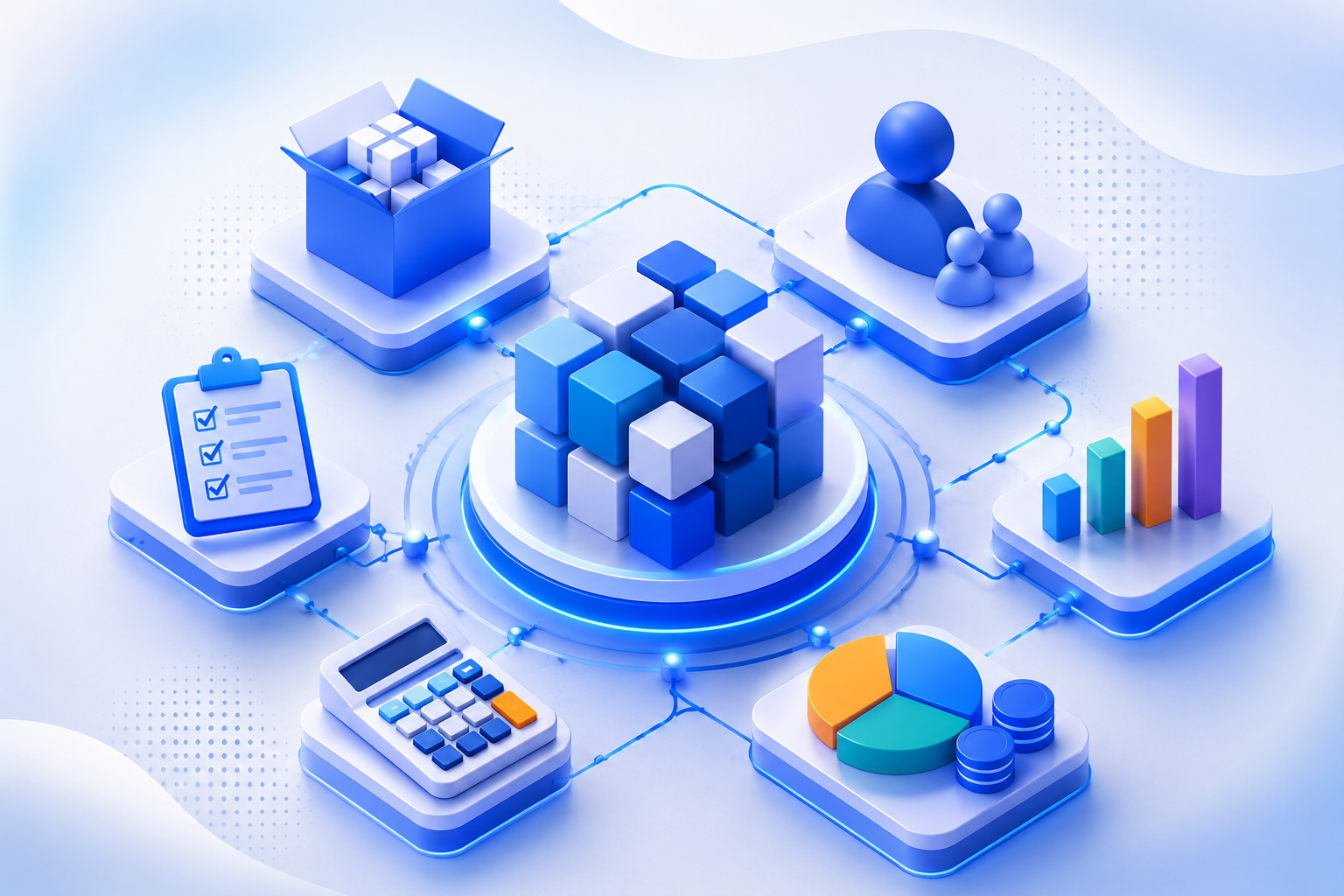
An automated payroll system typically handles:
- Salary calculations
- Tax deductions
- Attendance and leave management
- Overtime calculations
- Payslip generation
- Compliance reporting
- Bank transfers
- Employee reimbursements
By automating these tasks, companies reduce manual effort and improve operational efficiency.
Why Payroll Automation Matters
Managing payroll manually becomes increasingly difficult as businesses grow. Even small mistakes in salary calculations or tax filing can create compliance issues and employee dissatisfaction.
Payroll automation helps businesses overcome these challenges while improving overall workforce management.
1. Reduces Human Errors
Manual payroll calculations often lead to mistakes in salaries, deductions, or bonuses. Payroll automation minimizes these risks by using predefined rules and automated calculations.
This ensures employees are paid accurately every month.
2. Saves Time for HR Teams
Payroll processing involves repetitive administrative work. Automation significantly reduces the time spent on salary calculations, report generation, and tax management.
HR teams can focus more on employee engagement and strategic planning instead of paperwork.
3. Improves Compliance Management
Labor laws and tax regulations frequently change. Automated payroll software stays updated with the latest compliance requirements, helping businesses avoid penalties and legal complications.
4. Ensures Timely Salary Payments
Delayed salaries negatively affect employee morale. Automated payroll systems process payments faster and help organizations maintain payment schedules without delays.
5. Enhances Data Security
Payroll data contains sensitive employee information. Modern payroll software uses encryption, secure cloud storage, and access controls to protect confidential records.
Key Features of Payroll Automation Software
A good payroll automation platform includes multiple tools that simplify salary management.
Automated Salary Processing
The system automatically calculates:
- Gross salary
- Net salary
- Tax deductions
- Provident Fund (PF)
- Employee State Insurance (ESI)
- Bonuses and incentives
This eliminates manual calculations and improves payroll accuracy.
Attendance & Leave Integration
Payroll software can integrate with attendance systems to calculate salaries based on:
- Working hours
- Overtime
- Paid leaves
- Absences
This creates a seamless payroll workflow.
Digital Payslip Generation
Employees can instantly access and download payslips through employee self-service portals or mobile applications.
Tax & Compliance Management
Automated systems simplify tax calculations, TDS deductions, and statutory compliance reporting.
Direct Salary Transfers
Payroll platforms allow businesses to transfer salaries directly to employee bank accounts securely and efficiently.
Real-Time Reporting
Companies can generate payroll reports, expense summaries, tax statements, and compliance documents instantly.
Major Benefits of Payroll Automation
Increased Operational Efficiency
Automation reduces repetitive work and speeds up payroll cycles, improving overall HR productivity.
Better Employee Experience
Employees appreciate timely salary payments, transparent payslips, and easy access to payroll information.
Cost Reduction
Businesses save money by reducing manual administrative work and minimizing payroll errors.
Easy Scalability
Payroll automation systems can handle growing employee numbers without increasing HR workload.
Remote Payroll Management
Cloud-based payroll platforms allow HR teams to manage payroll operations from anywhere.
Industries That Use Payroll Automation
Payroll automation benefits organizations across multiple industries, including:
- IT & software companies
- Manufacturing businesses
- Healthcare organizations
- Educational institutions
- Retail chains
- Logistics companies
- Startups and SMEs
Any business managing employees can benefit from automated payroll systems.
Challenges Solved by Payroll Automation
Manual Calculation Mistakes
Automation improves payroll accuracy and removes spreadsheet dependency.
Compliance Risks
Updated payroll systems help businesses follow labor laws and tax regulations.
Time-Consuming Processes
Payroll tasks that once took days can now be completed within hours.
Workforce Complexity
Automated payroll software can manage permanent employees, freelancers, remote workers, and contract staff together.
How to Choose the Right Payroll Automation Software
Before selecting payroll software, businesses should evaluate:
- Ease of use
- Cloud accessibility
- Compliance features
- Integration capabilities
- Data security
- Reporting tools
- Customer support
- Scalability
Many organizations now prefer integrated HR and payroll platforms that combine payroll, attendance, leave management, and employee records into one system.
Solutions like TankhaPay help businesses streamline payroll operations while improving workforce management efficiency.
Future Trends in Payroll Automation
Payroll technology continues to evolve with innovations like:
- Artificial Intelligence (AI)
- Cloud payroll systems
- Predictive payroll analytics
- Automated compliance alerts
- Real-time payroll processing
Future payroll solutions will become faster, smarter, and more employee-focused.
Conclusion
Payroll automation has become essential for modern businesses looking to improve efficiency, accuracy, and compliance. Automated payroll systems reduce manual workload, minimize errors, and ensure smooth salary processing.
As organizations continue to digitize HR operations, payroll automation will play a major role in improving employee experience and business productivity. Companies that invest in automated payroll solutions today are better prepared for the future of workforce management.