Living with food allergies often comes with frustrating challenges. Symptoms often interfere with day-to-day life and often restrict food options. There are food allergies where you must completely avoid a food, while others have more tricky reactions that involve things like the setting you are in. Knowing how these different allergic conditions operate may enable you to take steps and initiatives in favor of your health and overall well-being.
Understanding Food-Related Allergic Reactions
Food allergies result when the immune system identifies certain food proteins as a disease and triggers an immune response. This may range from mild symptoms to major conditions and symptoms that may require urgent medical attention. Some of the reactions may be swelling, itching, or gastrointestinal disturbance. Some may show skin reactions, and on rare occasions, there may be anaphylaxis.
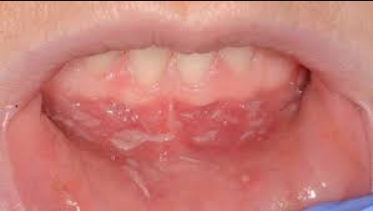
There are many food-related reactions, and they are not all the same. Other conditions are Oral Allergy Syndrome (OAS), which is closely associated with a pollen allergy, and may elicit reactions with certain fresh nuts, fruits, or vegetables.
Recognizing the Importance of Early Identification
Identifying the cause of allergic symptoms is one of the most important steps in effective management. Keeping a food diary, noting when symptoms occur, and discussing concerns with a healthcare professional can help determine whether reactions are linked to traditional food allergies or cross-reactive conditions.
People who experience itching or tingling in the mouth after eating raw produce may benefit from learning more about managing oral allergy syndrome and the strategies available to reduce discomfort and improve daily life.
Everyday Strategies for Allergy Management
Practicing some general habits can help reduce the risk of allergic reactions, no matter what the allergy type is.
1. Know What Affects You
What causes your allergy symptoms? There could be many different causes, both environmental and food-related. Making the decision to know what causes your symptoms will help you greatly. Know how to read labels and be sure to ask about food preparation when you are out.
2. Make Your Own Food
Making your own food ensures you control what allergens could be triggered by the preparation of your food. You may be sensitive to some types of raw food, but to some pollen-related food reactions, you could have no symptoms at all if you eat them cooked.
3. Educate Others About Your Allergy
Make your symptoms and food allergy known among your friends, family, teachers, and coworkers so that there is less outside exposure to your allergy and to make sure your allergic reaction will be encountered in more supportive environments.
4. Follow Your Symptoms and Act Professionally
There should be professionals in your life, like allergists or medical professionals, who give you advice and support in your life based on the type of reactions you have. These reactions should be professional in your life, but especially if they are more and more severe and extreme.
The Role of Education in Allergy Care
Education gives people the confidence to manage their situation. Knowledge of the most up-to-date guidelines/recommendations, awareness of symptom and their patterns, and recognizing warning signs of serious reactions, all lead to a more favorable long-term prognosis.
Bias in the general population, and particularly in the medical profession, can be lessened by educating staff about emergency/ safety procedures and prevention measures.
When to Consult a Healthcare Professional
While mild allergic symptoms can often be managed with simple lifestyle adjustments, medical advice should be sought if:
- Symptoms interfere with daily activities.
- New food sensitivities develop unexpectedly.
- Reactions become more intense over time.
- Breathing difficulties or significant swelling occur.
Timely evaluation can help ensure an accurate diagnosis and appropriate treatment plan.
Conclusion
Managing food allergies involves a combination of awareness, preparation, and professional support. By identifying triggers, making informed dietary choices, and staying educated about specific conditions, individuals can continue to enjoy a healthy and active lifestyle.
Whether dealing with traditional food allergies or pollen-related reactions, understanding the available resources and treatment approaches can make a meaningful difference in everyday life. Taking a proactive approach today can help reduce anxiety, improve symptom control, and promote overall well-being.