In today’s digital marketplace, businesses compete for attention every second. Customers scroll through hundreds of products, advertisements, and social media posts daily. In such a crowded environment, having a good product alone is no longer enough. The brands that succeed are often the ones people remember instantly.
Branding has evolved far beyond logos and colors. It has become a strategic tool that shapes how customers perceive a business, trust a product, and emotionally connect with a company. Whether it is a startup launching its first product or an established company planning a rebrand, strong branding plays a critical role in long-term business growth.
What Branding Really Means
Many people still think branding is only about visual appearance. In reality, branding is the complete experience customers associate with a business.
A brand includes:
- Visual identity
- Packaging design
- Messaging and tone
- Customer perception
- Emotional connection
- Consistency across platforms
Every interaction a customer has with a business contributes to the brand experience. From a website interface to product packaging, each detail communicates something important.
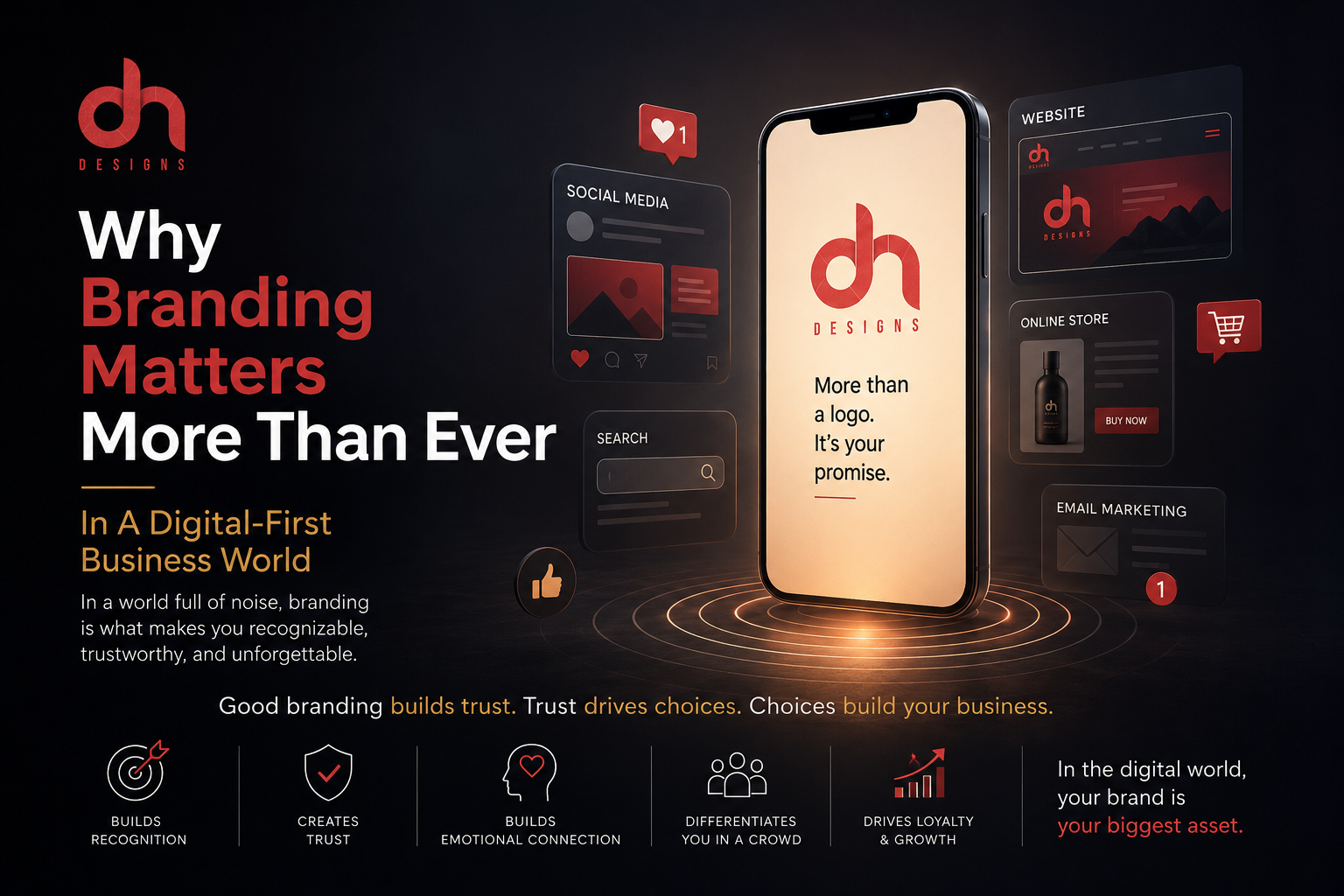
Strong branding creates familiarity. Familiarity builds trust. Trust influences purchasing decisions.
The Shift Toward Emotional Branding
Modern consumers are more emotionally driven than ever before. People often choose brands that align with their personality, values, or lifestyle.
This is why storytelling and emotional connection have become central to branding strategies. Businesses are no longer just selling products. They are selling experiences, ideas, and identity.
Brands like Apple, Nike, and Airbnb succeed because they create emotional associations that extend beyond their products.
Even small businesses can achieve this by building authentic and meaningful brand identities.
Why Visual Communication Matters
Visual communication design has become essential in digital marketing. Before reading product details, customers first react visually.
Typography, color psychology, layout, imagery, and packaging all influence how a brand is perceived within seconds.
A professional visual identity can help businesses:
- Build credibility
- Increase recognition
- Improve customer trust
- Create stronger first impressions
- Differentiate from competitors
Inconsistent or outdated visuals often make businesses appear less reliable, even if the product itself is excellent.
Packaging Design As A Marketing Tool
Packaging is one of the most powerful branding assets for product-based businesses.
In retail stores and e-commerce environments, packaging acts as silent marketing. Customers often make decisions based on visual presentation before they evaluate features or pricing.
Effective packaging design balances aesthetics, usability, and brand storytelling. It helps products stand out while communicating quality and personality.
Modern consumers also share visually appealing packaging on social media, making packaging design an indirect form of digital marketing.
The Importance Of Design Thinking
One major difference between average branding and effective branding is strategy.
Design thinking focuses on solving communication challenges through research, creativity, and customer understanding. Instead of creating visuals randomly, businesses use design thinking to align branding with audience behavior and business goals.
This approach helps brands become more intentional and memorable.
Businesses that invest in strategic branding often experience stronger customer loyalty and long-term market recognition.
Digital Presence And Brand Consistency
Today, customers interact with brands across multiple platforms:
- Websites
- Product packaging
- Advertisements
- Email marketing
- Online marketplaces
Consistency across these touchpoints creates a cohesive brand identity.
When branding feels disconnected, customers may lose trust or fail to remember the business. Consistent visual communication helps brands appear more professional and reliable.
How Creative Agencies Help Businesses Grow
Many businesses struggle to create a clear brand identity internally. This is where creative branding agencies play an important role.
Professional agencies combine strategy, design, storytelling, and market understanding to help businesses communicate more effectively.
For example, DN Designs works with businesses to create thoughtful branding systems, packaging design, and visual communication strategies that help brands stand out in competitive industries.
Their approach focuses not only on aesthetics but also on building meaningful customer experiences through design thinking and strategic branding.
Branding Is An Investment, Not An Expense
One common mistake businesses make is treating branding as a one-time cost instead of a long-term investment.
Strong branding contributes directly to:
- Customer trust
- Brand recognition
- Market positioning
- Product perception
- Customer loyalty
- Business growth
A memorable brand can increase perceived value and make businesses more competitive, even in saturated markets.
Final Thoughts
The digital-first business world has changed how customers discover and connect with brands. Attention spans are shorter, competition is stronger, and first impressions matter more than ever.
Businesses that invest in strategic branding, visual communication, and thoughtful design are better positioned to build trust and long-term recognition.
Branding is no longer optional. It is one of the most valuable assets a business can build.
Whether through packaging, storytelling, or visual identity, the brands that create meaningful experiences are often the ones people remember the most.