There is a huge shift in the way people experience the world in the modern United States. For the last 20 years, DTC marketing and digital-first retail has been focused on maximalist imagery. Brands used saturated neon colours, shiny plastic materials and computer-generated, busy graphic designs, to stand out on a flat smartphone screen and in social media feeds. This e-centric philosophy has been effective in the early days of Ecommerce, but it’s now time for it to hit absolute saturation point.
Consumers across the United States are tired of being constantly approached by digital intrusions. They spend hours every day playing with smooth cold glass touch screens, developing a strong psychological desire for real, physical and tactile experiences. Top brands from the US are going through an aesthetic revolution in return. They are not designing for an eye; they’re designing for a hand. Focusing on raw and grainy paper substrates, fine texturing in letterpress, and deep debossed detailing, companies are finding that physical texture is the best medium for building brand authority, justifying high ticket prices, and creating lasting customer relationships.
Neuro-Aesthetics of Touch in Modern Retail
Tactile packaging is embedded in human psychology and neuroscience and has significant economic power. In the field of neuro-aesthetics, there is a phenomenon known as the “endowment effect. This cognitive bias indicates that the brain has an instant subconscious feeling of ownership for an object after touching it physically. The more they hold and investigate the object, the more worth they put on the product that increases their chance of making a purchase.
High gloss plastic coating and synthetic film laminations give the slippery feel of low friction that a human hand would not tolerate. A container with a heavy, untreated, deep debossed paper surface immediately conveys a sense of quality craftsmanship when the customer grasps it. These tiny ridges and impressions slow the consumer down, give them something to feel with their fingers and make them make sure to immerse themselves in the premium identity of the brand. By combining tactile, physical engagement with a basic retail commodity, this product creates an elegant, interactive, physical experience.
Elevating Wholesale Logistics with Minimalist Tooling
No longer just any graphics and content, switching to a texture-based approach lends a significant structural benefit to growing consumer brands. Once a company expands their printing operations into the United States, because of the sheer size of the production runs and the various color registration requirements, it is extremely challenging and costly to ensure print quality, consistent ink levels and complex color register.
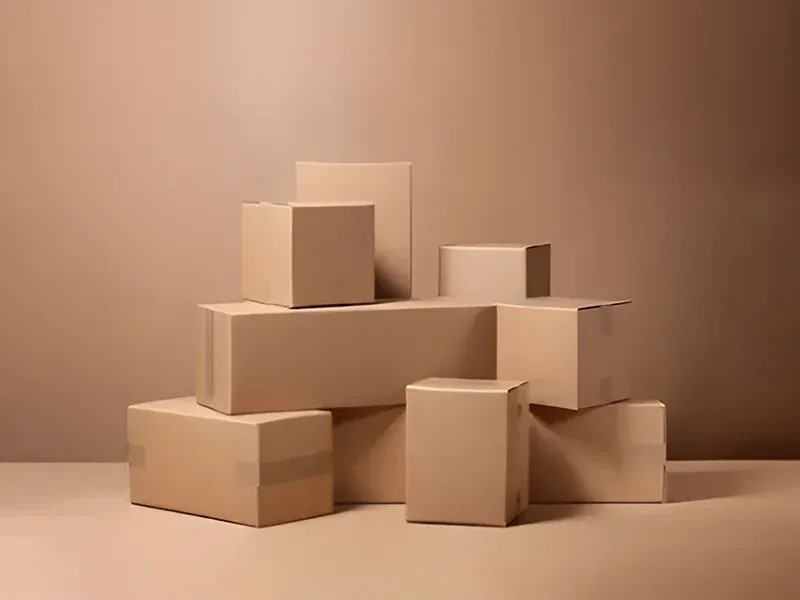
The main design emphasis is no longer on multi-colour printing with ink but on texture. This can substantially simplify brand supply chain operations. High quality blank retail packaging boxes wholesale offer enterprises to buy structurally sound, high GSM paperboard in bulk at the most competitive rate. Manufacturers can avoid a complicated, costly multi-ink press setup by taking advantage of precision metal plates to blind-stamp, emboss or deboss a clean typographic setup directly into the paper fibers. It’s a minimalist manufacturing system that reduces ink usage, setup costs and guarantees absolute uniformity of visual appearance in thousands of units shipped, making a high-quality design policy an extremely cost-efficient logistics tool.
The ‘Imprinted’ Design Movement: Embracing Imperfection.
Another significant cultural shift responsible for this “haptic turn” is the “Imprinted” trend in American fashion, beauty and high-end beverage industries. Consumers today are more skeptical about the accuracy of a company’s perfection and super polished marketing. They are on the lookout for the evidence of real human care, organic inputs and artisanal skill.
Imprinted and debossed textures purposefully embrace the nuances of depth and grain in the substrates. A logo or minimalist border pressed into uncoated kraft or linen paperboard will produce a beautiful contrast between light and shade. The design is nothing flashy, nothing shiny, it is about the depth of a structure in three dimensions. The raw and honest aesthetic conveys a strong message of authenticity to the consumer, telling them that the product within is handcrafted and not mass produced by a faceless assembly line.
Tightening up Environmental Standards through Material Purity
But there are benefits beyond the obvious marketing and sensory ones and there’s no better way to ensure compliance with the increasingly strict environmental regulations in the United States than by adopting unlamented, debossed packaging formats. More than half the states have enforceable Extended Producer Responsibility (EPR) and truth-in-labeling laws, and the structural purity of your box can directly affect your company’s finances.
The traditional luxury packaging is typically comprised of a mix of non-separable plastics, chemical gloss and metallic foils that grab attention and immediately foul the paper recycling stream and incur significant compliance penalties. No plastic or foil required for a debossed or embossed paper box, it’s a stunning luxury look. The texture is stamped straight into the natural wood fibers which ensures that the package is 100% biodegradable, and perfectly sorted for the normal US curbside recycling component. With this, your brand will have an elite, high-end feel without being burdened by costly eco-modulated compliance fines.
Conclusion
The digital world will continue to get busier, louder and more visually cluttered. With everyone vying for attention through flashing screens and intricate graphics, brands that master the art of touch will truly stand out. Switching to imprinted and debossed textures allows your retail business to connect with your customers on an emotional level the moment the package is in their hands. Combined with the depth of the structural design, you elevate your brand authority, streamline your wholesale manufacturing costs and ensure flawless ecological compliance. True luxury is not something you see, but something you feel, in the future of American retail.