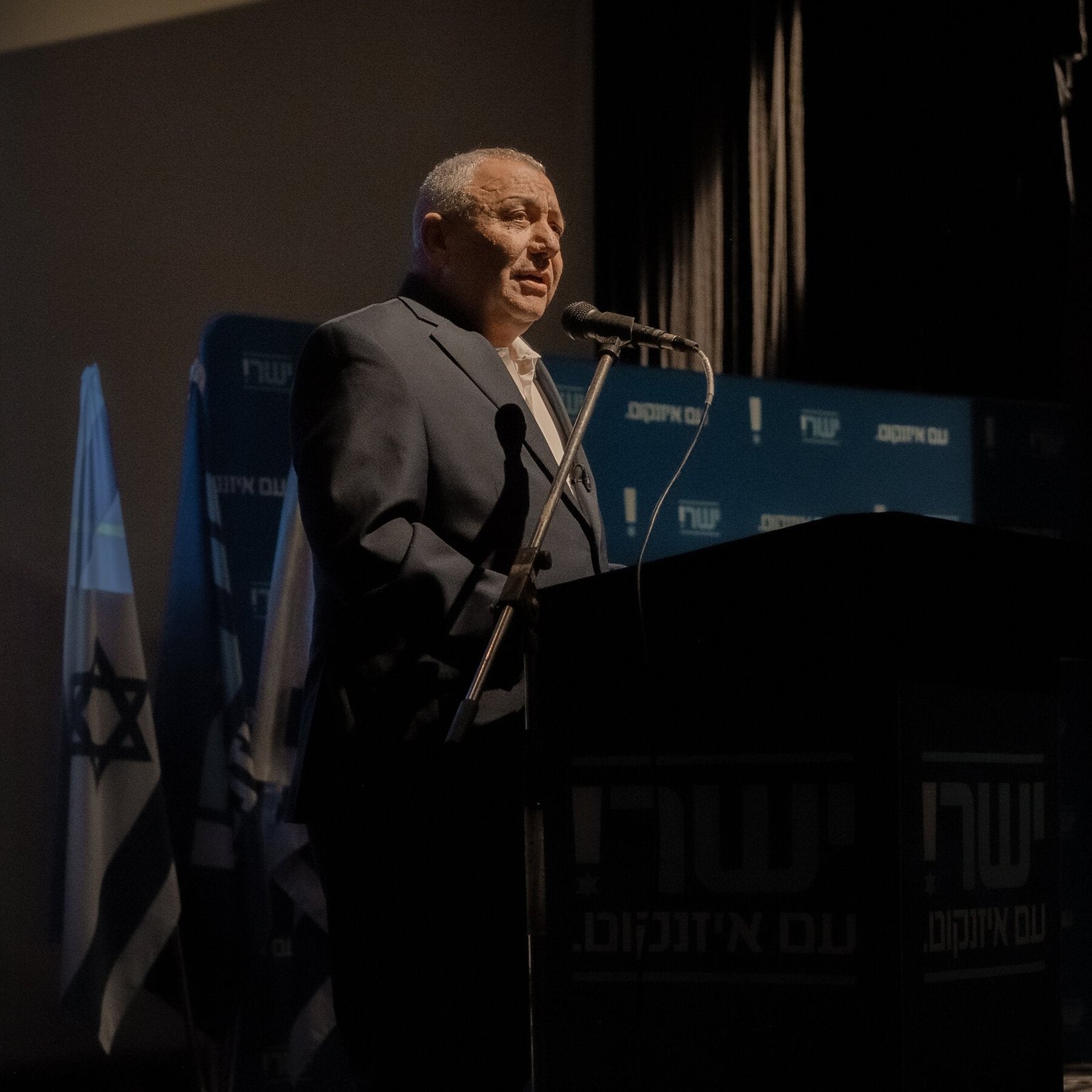
In Israeli politics, few procedures are as complex or high-stakes as building a coalition government. Following developments reported by international media, political leader Gadi Eisenkot has received the opportunity to form a new governing coalition, aiming to replace Benjamin Netanyahu as Prime Minister of Israel. However, while receiving the mandate to build a government marks a significant political turning point, navigating the intricate demands of parliamentary coalition-building presents formidable challenges.
Understanding this transition requires looking at both the confirmed reporting surrounding Eisenkot’s opportunity and the structural mechanics of Israel’s parliamentary framework in the Knesset.
Gadi Eisenkot Given Opportunity to Form New Israeli Coalition
What Has Been Reported
According to coverage by The New York Times, Gadi Eisenkot has been granted the opportunity to attempt to assemble a new governing coalition. This move sets up a direct process aimed at replacing Benjamin Netanyahu, Israel’s longest-serving prime minister. Despite receiving this operational mandate, political analysts point out that the path to securing a functional cabinet remains fraught with formidable political and structural obstacles.
The Shift in Parliamentary Dynamics
The transition of the mandate to form a government represents a critical juncture in parliamentary politics. In Israel’s political system, no single political party typically wins an outright majority of seats on its own. Consequently, replacing an incumbent prime minister depends not merely on public popularity, but on the practical ability to stitch together a voting bloc capable of commanding a majority in the legislature.
How Parliamentary Government Formation Works in Israel
To evaluate the likelihood of success for any newly designated candidate, it is helpful to understand the legal and procedural requirements involved in constructing an Israeli government.
Receiving the Mandate to Form a Coalition
Under Israeli constitutional practice, after consultations with represented parliamentary factions, a designated leader is assigned the formal task of forming a government. The candidate is granted a strict calendar period—typically 28 days, with potential limited extensions—to assemble a cohesive cabinet and draft guidelines that satisfy participating parties.
Securing a Knesset Majority
The primary threshold for any prospective prime minister is gaining the support of at least 61 members of the 120-seat Knesset. Achieving this magic number requires binding agreement among disparate political parties, each demanding specific policy commitments, ministerial portfolios, and budgetary allocations in exchange for their votes of confidence.
Managing Diverse Political Factions
Israeli political factions span a broad ideological spectrum, including centrist, secular-nationalist, religious, ultra-Orthodox, left-wing, and Arab parties. Assembling a functioning coalition often requires bridging significant divides on critical policy issues, such as security policy, judicial reforms, draft exemptions, economic priorities, and state-and-religion relationships.
The Formidable Obstacles Standing in Eisenkot’s Path
While gaining the mandate gives Gadi Eisenkot the official initiative, converting that mandate into a sworn-in government involves overcoming several well-documented political hurdles.
Navigating Ideological Cleavages
The primary difficulty for any challenger seeking to assemble an anti-incumbent coalition is ideological heterogeneity. Broad opposition alliances are often united primarily by their desire to change leadership rather than by a shared vision on domestic policy or security strategy. Resolving internal disputes over key legislative priorities remains one of the hardest challenges during formal negotiation rounds.
Netanyahu’s Political Resilience and Counter-Efforts
Benjamin Netanyahu has spent decades navigating the pressure-cooker environment of parliamentary maneuvering. As an experienced leader commanding a loyal core base and significant factional discipline, Netanyahu and his party allies routinely work to undermine alternative coalition talks. Tactics often include offering competing deals to potential defectors or pressuring smaller parties not to cross ideological lines.
Time Limits and Strict Legislative Deadlines
The countdown timer on a coalition mandate creates intense political pressure. If a designated candidate fails to present a viable government to the Knesset within the allotted timeframe, the mandate can be reassigned or returned to the parliament as a whole, potentially triggering snap elections if no consensus is reached.
Key Scenarios for the Israeli Political Landscape
As coalition talks unfold, observers monitor several classic outcomes typical of Israeli parliamentary negotiations:
Scenario 1: A Successful Unity or Opposition Coalition
If Eisenkot manages to reconcile ideological differences among partner factions, he could present a signed coalition agreement to the Knesset speaker, leading to a formal vote of confidence and the inauguration of a new government, officially concluding Netanyahu’s current term.
Scenario 2: Coalition Collapse Leading to Fresh Elections
If negotiation demands prove irreconcilable and neither side can secure 61 parliamentary votes, the Knesset may be forced to dissolve itself. Under this scenario, the country would head to national elections, during which an interim government remains in office.
Scenario 3: Minority Government and Legal Challenges
In rare political situations, a candidate might attempt to establish a minority government reliant on outside confidence-and-supply agreements with external parties. However, such arrangements are historically fragile and highly susceptible to early collapse.
The Broader Strategic and Political Implications
The outcome of coalition negotiations carries far-reaching consequences for domestic governance and regional diplomacy.
Security, Foreign Policy, and Domestic Stability
Israel’s prime minister holds sweeping authority over national security strategy, defense initiatives, and international alliances. Any potential transition from Netanyahu to Eisenkot—a former military chief of staff—would be closely watched by international partners and regional neighbors to determine whether diplomatic positions and defense strategies undergo tactical shifts or maintain strategic continuity.
Public Sentiment and Economic Pressures
Prolonged political uncertainty often impacts financial markets, consumer confidence, and government budgeting processes. Citizens and business leaders monitor governance negotiations carefully, seeking clarity on fiscal policies, taxation, and state investment plans.
Sources and Official Context
The ongoing developments surrounding coalition formation efforts in Israel remain subject to active political reporting and official announcements from parliamentary leadership.