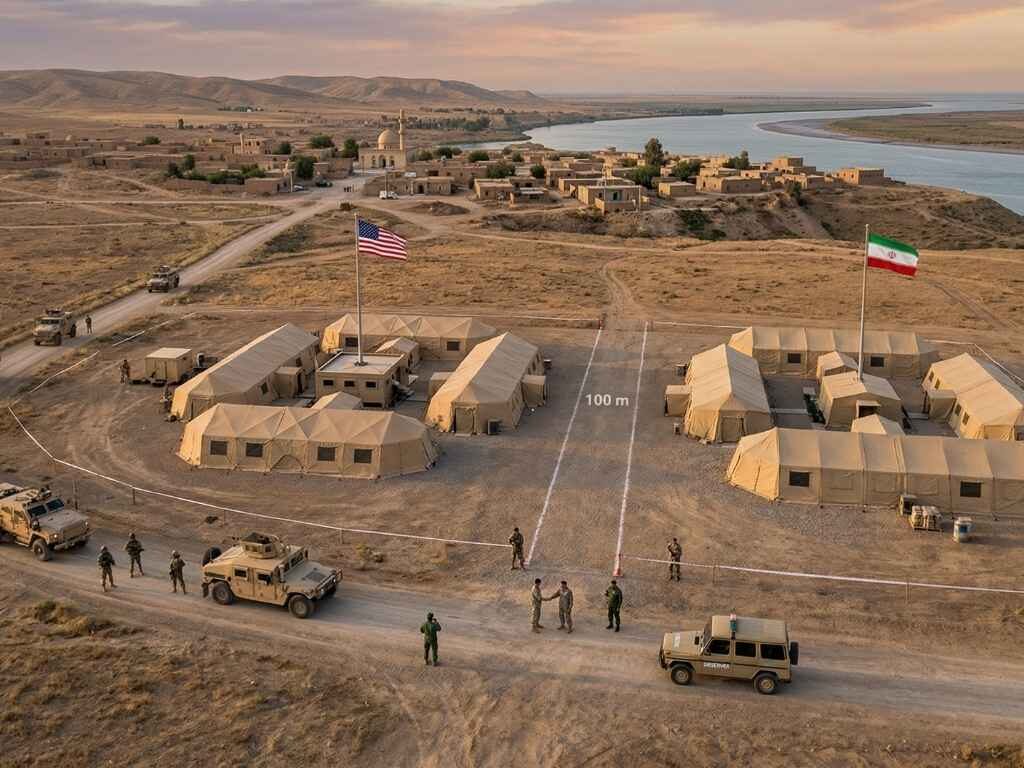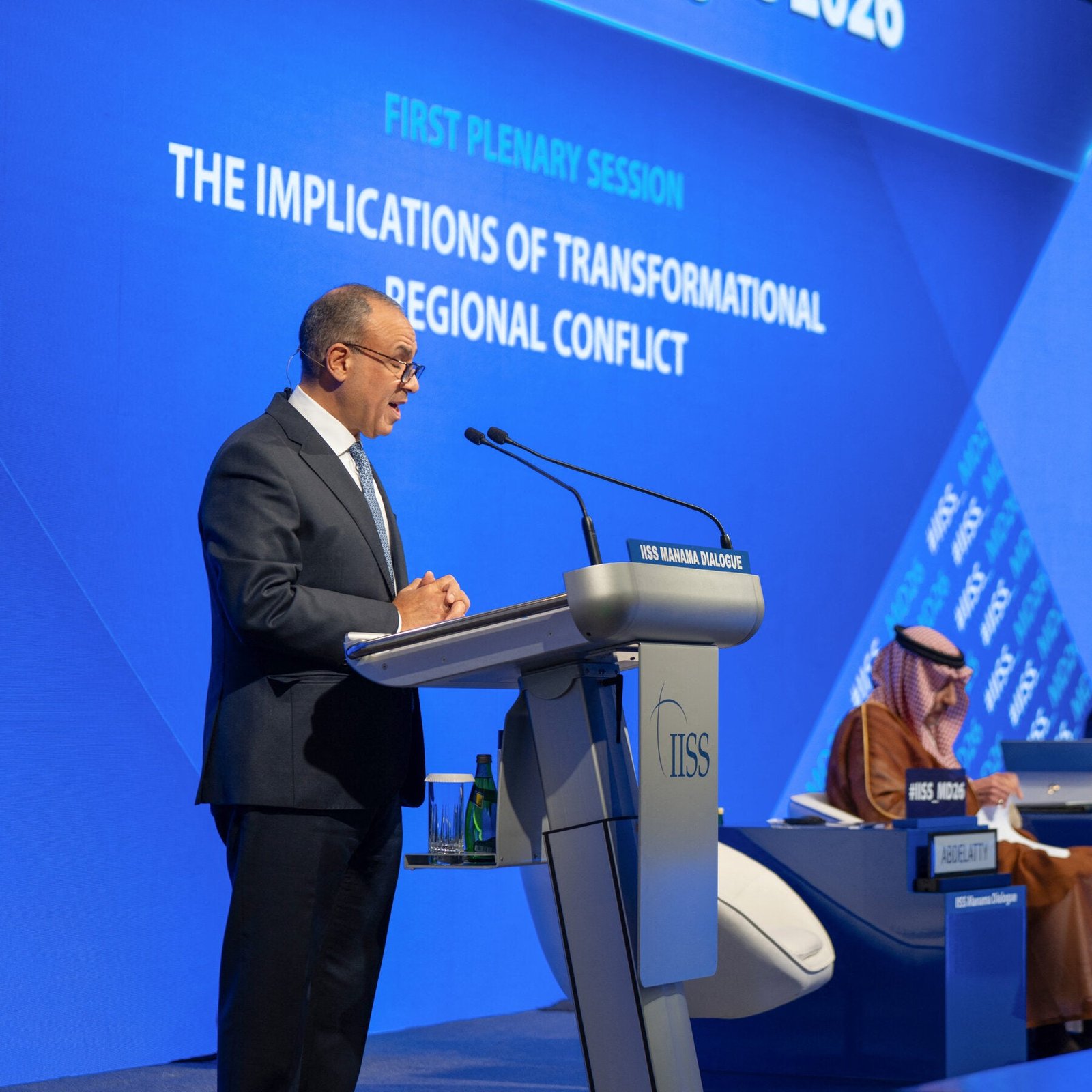
Energy-rich Gulf Arab nations are engaging in an intense flurry of diplomatic mediation to avert potential military conflict between the United States and Iran. With regional stability hanging in the balance, leaders across the Gulf are working behind the scenes to open communication channels and lower tensions. The widespread concern among regional state actors is that any renewal of hostilities could be far more severe and damaging than previous confrontations.
Diplomatic Surge: Gulf States Step Up Mediation Efforts
The middle eastern diplomatic landscape is currently defined by urgent, high-stakes mediation. Gulf Arab countries—whose geographic proximity and economic infrastructure place them directly in the crosshairs of regional turmoil—are prioritizing de-escalation above all else. The effort involves active facilitation of dialogue designed to bridge communication gaps between Washington and Tehran.
Key highlights of the current diplomatic push include:
- Facilitating Communication: Gulf nations are using established channels to relay messages and encourage restraint between U.S. and Iranian leadership.
- Averting Regional Spillover: Neighboring states are actively seeking commitments to prevent vital maritime and trade routes from becoming conflict zones.
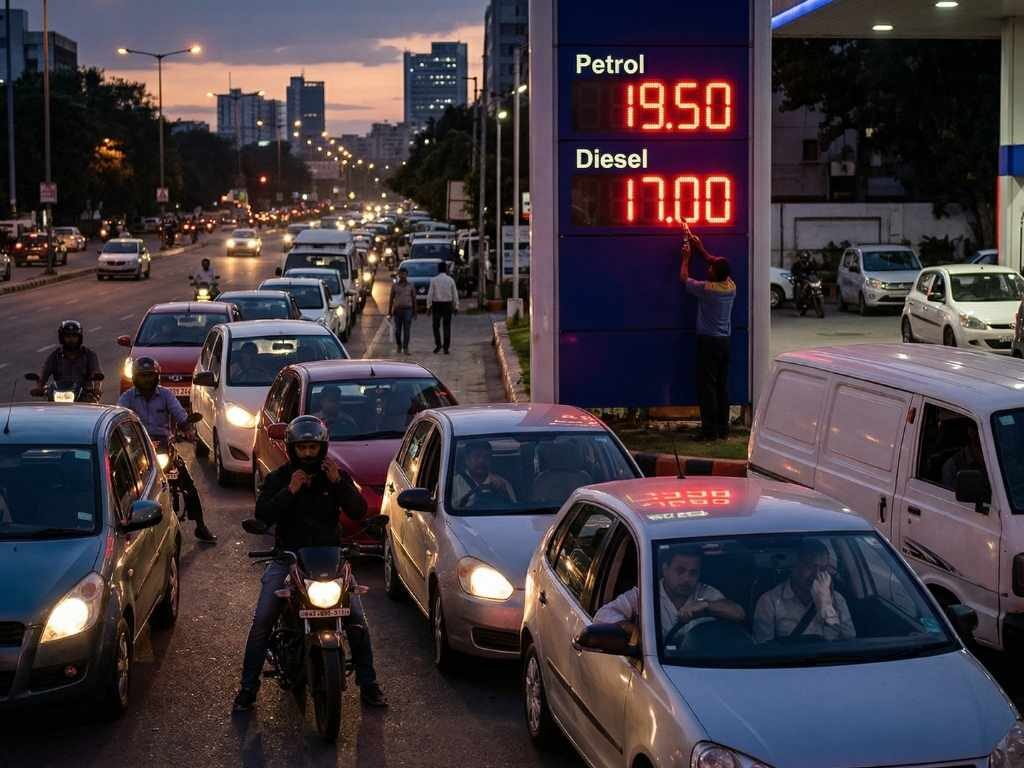
- Mitigating Broader Economic Shockwaves: As major energy exporters, Gulf countries recognize that armed conflict would severely disrupt global market stability and local development initiatives.
Fears of a Heightened Conflict: Why This Escalation Could Be Worse
A primary driver behind the sudden surge in diplomacy is the belief among regional officials and analysts that a renewed clash would carry significantly higher risks than past engagements. Over recent years, defense capabilities, proxy dynamics, and strategic postures throughout the Middle East have evolved, creating an environment where an outbreak of violence could quickly spiral out of control.
Key Factors Escalating Regional Risk
Several elements contribute to the heightened concern across energy-rich Gulf Arab capitals:
- Expanded Conflict Zones: Previous clashes demonstrated how quickly military engagement can impact air traffic, shipping lanes, and critical energy infrastructure across the region.
- Evolving Strategic Capabilities: A new round of fighting could involve advanced weaponry, strategic target selection, and asymmetric tactics, compounding the difficulty of achieving a swift ceasefire.
- Political Deadlines and Domestic Pressures: Diplomatic options are constrained by political timelines in Washington and Tehran, creating narrow windows for successful negotiation.
The Intersection of Political Deadlines and Geopolitical Strategy
The timing of these diplomatic interventions coincides with critical political milestones in the United States, including upcoming midterm deadlines under the Trump administration. Foreign policy decisions during domestic political cycles often carry unique pressures, as leadership balances national security objectives, legislative deadlines, and public opinion.
For Gulf leaders, navigating these political realities requires delicate maneuvering. They must maintain long-standing security partnerships with the United States while simultaneously engaging in direct diplomacy to prevent regional flare-ups. The aim is to ensure that political urgency in Washington does not trigger unintended military friction in the Gulf.
Distinguishing Confirmed Facts from Background Context
To clearly understand the evolving situation, it is important to separate established diplomatic reports from general background context:
Confirmed Reporting
According to current international reporting, energy-rich Gulf Arab countries are actively conducting mediation efforts specifically to prevent war between the U.S. and Iran. Confirmed reports highlight deep anxiety across regional capitals that a renewed conflict would cause greater damage than previous military actions, prompting urgent diplomatic intervention as political deadlines approach.
Geopolitical Background Context
Historically, the Persian Gulf has been a focal point of international security due to its strategic position in global oil transport. Over decades, U.S.-Iran relations have been marked by periods of acute tension, sanctions, and periodic military incidents. Gulf states have traditionally sought to balance their security reliance on Western allies with practical measures to manage relations with their neighbor across the Gulf, Iran.
Economic and Infrastructure Vulnerabilities in the Energy Sector
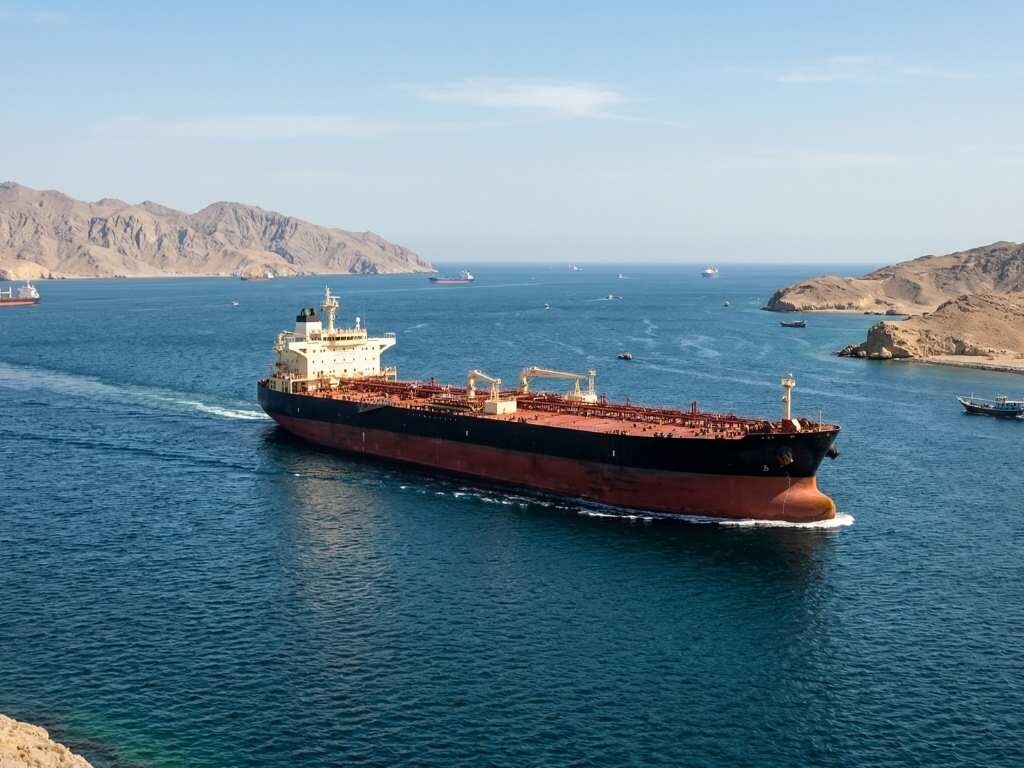
The Gulf region houses some of the world’s most critical oil and natural gas export facilities, as well as crucial maritime choke points such as the Strait of Hormuz. Any direct military exchange between the U.S. and Iran poses a severe threat to these supply chains.
A disruption in energy exports would not only impact the financial stability of host nations but would also trigger immediate spikes in global energy prices, complicating international recovery and economic growth. Recognizing these stakes, Gulf Arab leaders are positioning de-escalation as both a national security imperative and a defense of economic stability.
The Path Forward: Can Mediation Prevent Hostilities?
While the flurry of mediation demonstrates a strong regional commitment to peace, the ultimate outcome rests on the willingness of both Washington and Tehran to choose diplomatic compromise over military posture. Gulf states continue to offer neutral grounds, message relay services, and bilateral dialogues to foster a climate where constructive negotiations can occur.
As political deadlines draw closer, the world watches to see whether these intense diplomatic interventions will successfully diffuse tensions or if the region will remain on high alert. For now, the energy-rich nations of the Gulf remain focused on keeping communication lines open and avoiding a wider conflict.