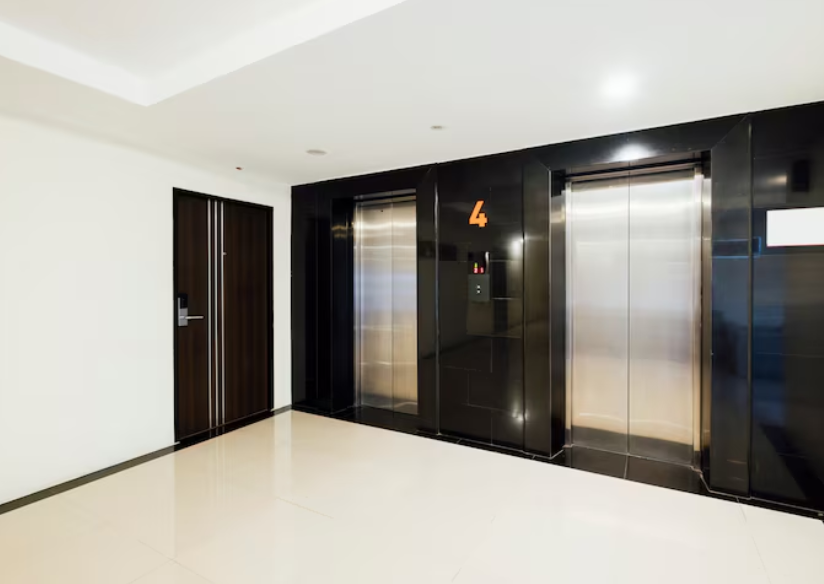
Creating a comfortable and accessible home is important for people who want to enjoy greater independence, convenience, and safety in their everyday lives. As residential properties become more adaptable to different mobility needs, homeowners are increasingly considering solutions that make multiple floors easier to access. One of the most practical options is residential elevator installation, which provides a convenient way to move between floors without relying on traditional staircases.
Whether someone is planning a new home, renovating an existing property, or preparing for changing mobility requirements, installing a residential elevator can make a significant difference. Combined with modern accessibility equipment, these improvements can create a living environment that supports comfort, functionality, and long-term independence.
Understanding Residential Elevator Installation
Residential elevator installation involves adding a specialized lifting system to a private home to provide convenient transportation between different levels. Unlike commercial elevators designed for large buildings, residential models are developed to accommodate household requirements, available space, and individual mobility needs.
Home elevators are available in several designs, including traditional shaft elevators, compact systems, and models that require minimal structural modifications. The appropriate option depends on the property’s layout, available installation space, and the homeowner’s preferences.
A professionally planned installation considers important factors such as elevator dimensions, weight capacity, electrical requirements, entrance locations, and safety features. Proper planning helps ensure that the elevator integrates smoothly with the home’s existing structure.
Why Home Accessibility Matters
Accessibility is about creating an environment where everyone can move around comfortably and confidently. For individuals who experience mobility challenges, stairs can become a significant obstacle that limits access to bedrooms, living areas, and other essential spaces.
Adding accessibility equipment can help reduce these challenges while making everyday activities more manageable. Homeowners can choose from various solutions depending on their requirements, including residential elevators, stair lifts, wheelchair platform lifts, and other mobility products.
These improvements are not only useful for people who currently experience mobility limitations. They can also help homeowners prepare their properties for future needs. Planning accessibility improvements early may reduce the need for major renovations later.
Benefits of Installing a Residential Elevator
One of the biggest advantages of a residential elevator is the convenience it provides. Moving between floors becomes easier without repeatedly climbing stairs. This can be particularly helpful when carrying groceries, laundry, household supplies, or other items.
Another important benefit is improved independence. People who have difficulty using staircases may appreciate having a reliable transportation option within their homes. An elevator can make different areas of the property more accessible without requiring constant assistance from family members.
Residential elevators can also improve the functionality of a property. Homeowners can maintain access to upper floors while adapting their living arrangements to changing circumstances.
Additionally, a thoughtfully selected elevator can complement the home’s interior design. Modern models are available in different finishes, cabin styles, and configurations, allowing homeowners to select an option that matches their property’s appearance.
Exploring Different Types of Accessibility Equipment
Every home has different requirements, which is why choosing appropriate accessibility equipment is important. The right solution depends on the property’s layout, the user’s mobility needs, and the amount of available space.
Residential elevators are suitable for homeowners who want convenient access between multiple floors. They provide an enclosed transportation space and can accommodate different household requirements depending on the selected model.
Stair lifts offer another practical solution. These systems travel along a staircase and allow users to move between floors while seated. They are particularly useful when installing a full elevator is not practical.
Wheelchair platform lifts provide vertical transportation for individuals who use wheelchairs or other mobility devices. They can be installed in suitable indoor or outdoor locations to improve access to different elevations.
Other accessibility solutions include grab bars, ramps, and specialized mobility products. Combining multiple options can help create a more functional home environment.
Important Considerations Before Installation
Before beginning residential elevator installation, homeowners should evaluate several important details. The first consideration is the available space. Some elevator systems require a dedicated shaft, while other designs may work in smaller areas.
The home’s structural condition is another important factor. Depending on the selected elevator, modifications may be necessary to accommodate the equipment safely. A professional assessment can help identify potential challenges before installation begins.
Budget planning is equally important. Installation costs can vary depending on the elevator type, construction requirements, electrical work, and additional features. Homeowners should consider both the initial investment and ongoing maintenance requirements.
Safety features should also receive careful attention. Important features may include emergency communication systems, backup power options, door interlocks, obstruction sensors, and emergency lowering mechanisms. The exact features available depend on the elevator model.
Making Accessibility Part of Home Design
Accessibility improvements work best when they are considered as part of the overall home design. Instead of treating mobility solutions as separate additions, homeowners can incorporate them into their renovation or construction plans.
For example, residential elevator installation can be included during the early stages of a new home project. This allows builders to consider elevator placement, electrical requirements, and structural needs before construction is completed.
Existing homeowners can also benefit from thoughtful planning. An elevator can sometimes be installed in an underused section of the home, depending on the building’s configuration.
Choosing suitable accessibility equipment can further improve movement throughout the property. Wider doorways, accessible bathroom layouts, smooth flooring transitions, and properly positioned handrails can complement elevator systems.
These changes help create a home that is easier to navigate while maintaining an attractive and welcoming appearance.
The Importance of Professional Installation and Maintenance
Professional installation is essential for ensuring that a residential elevator operates safely and reliably. Elevator systems involve mechanical, electrical, and structural components that require appropriate expertise.
Experienced installation professionals can evaluate the property, recommend suitable equipment, and coordinate the necessary installation work. They can also explain how to operate the system and understand its safety features.
Regular maintenance is another important responsibility. Routine inspections can help identify worn components, unusual noises, operational issues, and other potential problems before they become more serious.
Homeowners should follow the manufacturer’s maintenance recommendations and arrange professional servicing when required. Keeping the elevator in good working condition supports dependable everyday use.
The same attention should be given to other accessibility equipment. Stair lifts, platform lifts, and related mobility products should be inspected and maintained according to their specific requirements.
Preparing Your Home for Long-Term Comfort
A home should support its occupants through different stages of life. Mobility requirements can change over time, making it valuable to consider improvements that provide lasting convenience.
Investing in residential elevator installation can help homeowners maintain access to different floors while reducing dependence on staircases. It can also make a property more adaptable to visitors and family members with mobility limitations.
Similarly, selecting appropriate accessibility equipment can address individual challenges throughout the home. From stair lifts to wheelchair platform lifts, these solutions provide different ways to improve movement and independence.
Planning ahead allows homeowners to make informed decisions rather than waiting until accessibility becomes an urgent concern.
Conclusion
Creating an accessible home is an investment in comfort, convenience, and independence. Residential elevators provide an effective way to improve movement between floors, while other mobility solutions can address specific accessibility challenges throughout a property.
By exploring suitable accessibility equipment, evaluating installation requirements, and prioritizing professional maintenance, homeowners can create living spaces that better support their everyday needs.
Whether building a new property or upgrading an existing home, thoughtful accessibility improvements can make a meaningful difference. A well-designed residential elevator system, supported by appropriate mobility solutions, helps create a safer, more convenient, and more adaptable home for the future.