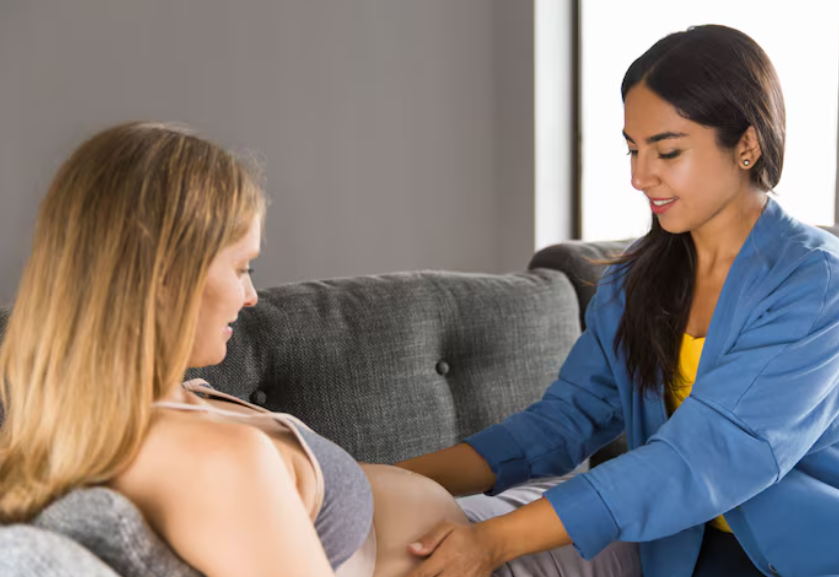
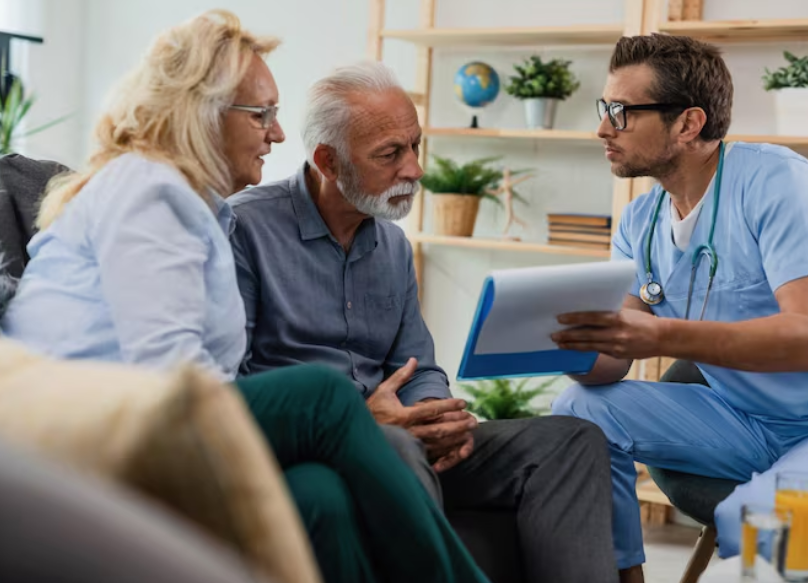
The healthcare industry offers many opportunities for individuals who want to build meaningful careers while making a positive difference in people’s lives. From supporting patients with daily activities to helping healthcare professionals manage medication safely, trained caregivers play an essential role in quality patient care. For individuals interested in entering this field, professional training is an excellent starting point. Enrolling in MAP Courses Stoughton or pursuing Home Health Aide Certification Massachusetts Stoughton can help individuals develop valuable skills, gain practical knowledge, and prepare for rewarding opportunities in healthcare.
Healthcare training provides more than basic information. It helps students understand patient needs, follow safety procedures, communicate effectively, and respond appropriately to different care situations. Whether someone wants to work in a residential care setting, provide assistance at home, or explore other healthcare opportunities, choosing the right educational program can make a significant difference.
Understanding the Importance of MAP Training
Medication administration is an important responsibility in many healthcare environments. Individuals involved in medication-related tasks must understand safety procedures, proper documentation, and the importance of following established guidelines. MAP training is designed to provide relevant knowledge and skills for individuals who may be responsible for medication administration in approved care settings.
Choosing MAP Courses Stoughton allows interested individuals to explore structured training that focuses on medication safety and responsible practices. These courses generally cover essential topics such as medication terminology, medication storage, dosage awareness, administration procedures, and documentation requirements.
Students also learn why accuracy and attention to detail are essential when working with medications. Even small mistakes can affect patient safety, which makes proper training and adherence to professional guidelines extremely important.
What Students Can Learn in MAP Courses
A quality medication administration program introduces students to the responsibilities associated with medication management. Training may include theoretical lessons, practical demonstrations, and assessments that help participants understand important procedures.
Common learning areas include:
- Medication Knowledge: Understanding different medication categories, common terminology, and basic medication-related concepts.
- Safety Procedures: Learning how to reduce medication errors and follow appropriate safety practices.
- Documentation: Understanding the importance of accurate medication records and reporting.
- Storage and Handling: Learning appropriate medication storage and handling procedures.
- Patient Observation: Recognizing possible changes in a patient’s condition and understanding when concerns should be reported.
- Professional Responsibilities: Following workplace policies, supervision requirements, and applicable regulations.
By developing these skills, students can become more confident in understanding medication-related responsibilities. MAP training also encourages careful decision-making and professional accountability.
Exploring Home Health Aide Certification in Massachusetts
Home healthcare has become an important part of the healthcare system because many individuals prefer receiving assistance in familiar surroundings. Home health aides help people maintain comfort, independence, and dignity while receiving support with everyday activities.
Pursuing Home Health Aide Certification Massachusetts Stoughton can be a valuable step for individuals interested in providing care within private homes or other approved home healthcare environments.
Home health aide training focuses on practical caregiving skills and the responsibilities involved in supporting individuals with different needs. Students learn how to assist with personal care, mobility, daily routines, and basic household activities while respecting each person’s preferences and privacy.
This type of training can help prepare individuals for the demands of home healthcare work and introduce them to professional standards expected in caregiving environments.
Essential Skills Developed Through Home Health Aide Training
Home health aides need a combination of practical abilities and interpersonal skills. Their responsibilities often involve direct interaction with patients and families, making communication, patience, and compassion especially important.
Training programs may cover several essential areas.
Personal Care Assistance
Students learn appropriate techniques for helping individuals with bathing, grooming, dressing, and other daily personal care activities. Respecting privacy and maintaining dignity are central parts of providing quality assistance.
Mobility and Safety
Caregivers may help individuals move around their homes, transfer between appropriate positions, or use mobility equipment. Training emphasizes safe techniques and awareness of environmental hazards.
Basic Health Observation
Home health aides may be trained to observe and report changes in a patient’s general condition. Recognizing unusual symptoms and communicating concerns to the appropriate healthcare professional are important responsibilities.
Communication Skills
Clear communication helps caregivers understand patient preferences, follow care instructions, and maintain positive relationships with families and healthcare teams.
Infection Prevention
Understanding hygiene practices, handwashing, and appropriate protective measures helps reduce the risk of infection and supports a safer care environment.
How MAP and Home Health Aide Training Complement Each Other
Although MAP training and home health aide education focus on different responsibilities, both contribute to professional development within healthcare.
MAP courses emphasize medication-related knowledge, safety procedures, and administration responsibilities within authorized settings. Home health aide programs focus on personal care, daily living assistance, patient comfort, and basic caregiving skills.
Individuals exploring both educational opportunities may develop a broader understanding of healthcare responsibilities. However, completing one program does not automatically authorize someone to perform duties associated with the other. Medication administration must always follow applicable Massachusetts regulations, employer policies, and required authorization or supervision.
For individuals in Stoughton, exploring MAP Courses Stoughton alongside Home Health Aide Certification Massachusetts Stoughton can help identify educational pathways that match their professional interests.
Career Opportunities After Healthcare Training
Healthcare training can introduce individuals to several employment possibilities, depending on their qualifications, experience, and applicable requirements.
Home health aide training may support opportunities in home healthcare agencies, personal care services, and other approved care environments. Some individuals may also explore positions in residential care facilities or community-based support programs when their qualifications meet the relevant requirements.
MAP training may be relevant to specific roles in residential or community-based settings where trained and authorized personnel are permitted to assist with medication administration.
The healthcare field also offers opportunities for continued learning. Individuals can build on their initial education by pursuing additional certifications, specialized training, or other approved healthcare programs.
Choosing the Right Healthcare Training Program
Selecting a suitable training provider is an important decision. Students should consider several factors before enrolling in a healthcare course.
First, review the program curriculum to understand which subjects and practical skills are included. A well-organized program should clearly explain its learning objectives and expectations.
Second, verify that the training meets applicable Massachusetts requirements. This is especially important for medication administration and home health aide education because eligibility, course completion, and workplace responsibilities may depend on specific regulations.
Third, consider the learning environment. Qualified instructors, clear explanations, appropriate practical instruction, and opportunities to ask questions can contribute to a better educational experience.
Students should also ask about scheduling, enrollment requirements, course duration, assessments, and any documentation provided after successful completion.
Preparing for a Successful Healthcare Career
Success in healthcare requires ongoing learning, responsibility, and a genuine commitment to patient well-being. Training is an important first step, but developing strong professional habits is equally valuable.
Students should practice effective communication, remain attentive to instructions, respect patient confidentiality, and understand the limits of their assigned responsibilities. Being dependable, compassionate, and willing to learn can help individuals become valuable members of a healthcare team.
It is also important to stay informed about workplace procedures and changes in applicable healthcare requirements. Continuing education can help caregivers maintain their knowledge and improve their professional abilities over time.
Conclusion
Healthcare training creates valuable opportunities for individuals who want to contribute to their communities while developing practical professional skills. Whether the goal is to understand medication safety or provide compassionate assistance to individuals at home, choosing appropriate education can support long-term career development.
Exploring MAP Courses Stoughton can help individuals understand medication administration responsibilities, while Home Health Aide Certification Massachusetts Stoughton offers an opportunity to develop essential caregiving knowledge and skills.
By selecting suitable training, learning from qualified instructors, and maintaining a commitment to safe and respectful patient care, aspiring healthcare professionals can take meaningful steps toward building a rewarding future in the healthcare industry.