
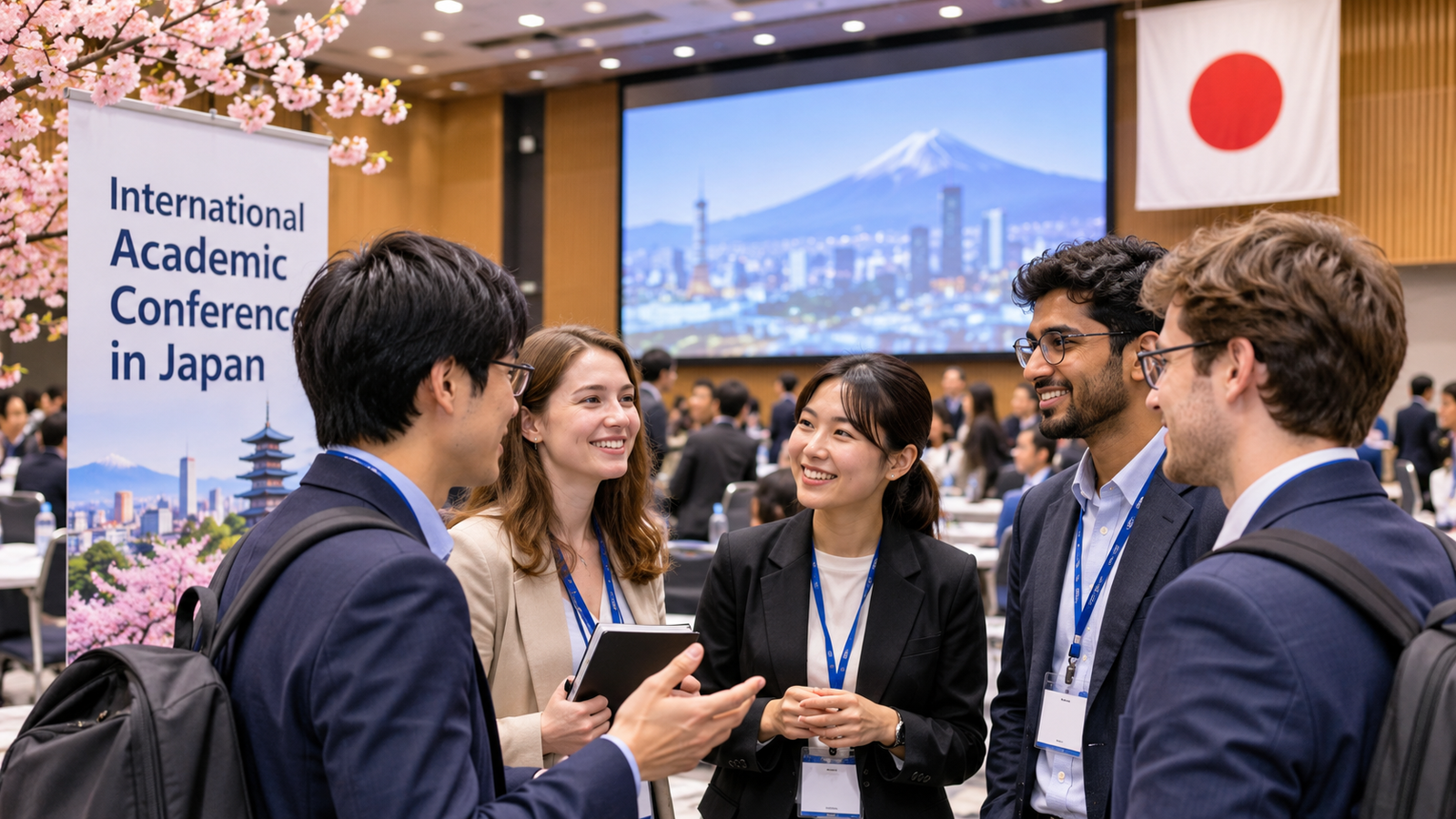
Japan has developed a strong position in global research through its contributions to science, technology, engineering, healthcare, and education. Universities, research institutions, and academic organisations continue to explore new ideas that address modern challenges and support future development. Researchers are increasingly discussing subjects such as artificial intelligence, robotics, biotechnology, environmental sustainability, and digital transformation. These emerging areas are shaping Research Trends in Japan and creating opportunities for academic exchange. International conferences also provide platforms where scholars, professors, research students, and industry professionals can present their findings, discuss new developments, and build research connections.
Artificial Intelligence and Machine Learning Research
Artificial intelligence and machine learning have become important topics in Japan’s research environment. Academics are exploring how intelligent systems can improve decision-making, automate processes, and support innovation across different industries.
Research discussions cover areas such as natural language processing, computer vision, predictive analysis, and responsible AI development. Researchers are also examining the ethical concerns associated with automated systems, including data privacy, transparency, and potential bias. These discussions help academics understand both the opportunities and limitations of AI technologies.
Robotics and Advanced Engineering Developments
Japan has a well-established reputation for engineering and robotics research. Developments in industrial automation, service robots, and intelligent manufacturing continue to attract attention from researchers and technology professionals. Academic discussions increasingly focus on human-robot interaction, autonomous systems, smart manufacturing, and the practical use of robotics in healthcare and industrial environments. Researchers are also examining how advanced engineering can improve productivity, workplace safety, and manufacturing processes. These subjects encourage collaboration between engineering specialists, computer scientists, and industry professionals working on practical technological solutions.
Healthcare, Biotechnology, and Medical Research
Healthcare and biotechnology remain significant areas of academic investigation in Japan. Researchers are exploring new approaches to medical diagnosis, disease prevention, pharmaceutical development, and healthcare technology. Some emerging research areas include regenerative medicine, genetic research, medical imaging, and personalised healthcare. The use of digital technologies in healthcare is also receiving attention, particularly in areas such as remote patient monitoring and data-supported medical decisions. Academic discussions in this field allow medical professionals, scientists, and biotechnology researchers to exchange findings and understand how new discoveries may contribute to improved healthcare practices.
Environmental Science and Sustainable Development
Environmental sustainability is another important subject influencing research discussions in Japan. Climate change, renewable energy, waste management, and natural resource conservation are encouraging researchers to investigate practical solutions for environmental challenges. Academics are studying solar energy, energy-efficient technologies, sustainable urban development, and environmental monitoring. Research into disaster preparedness and climate adaptation is also relevant because of Japan’s exposure to natural hazards such as earthquakes, floods, and typhoons.
These studies demonstrate how scientific research can support environmental protection and sustainable development while encouraging cooperation between different academic disciplines.
Digital Transformation and Information Technology
Digital transformation is changing how businesses, educational institutions, and public organisations operate. As a result, information technology has become an important subject in Japan’s academic community. Researchers are examining developments in cybersecurity, cloud computing, big data, digital infrastructure, and information management. Another area of interest is the responsible use of digital technologies in education and professional environments.
Discussions around data security, digital accessibility, and technological reliability are helping researchers identify challenges associated with modern digital systems. These topics also encourage collaboration between information technology specialists and researchers from business, education, and social sciences.
Education and Interdisciplinary Research
Higher education and interdisciplinary research are also influencing academic discussions in Japan. Universities and research communities are exploring new approaches to teaching, digital learning, international student engagement, and academic cooperation. Many research challenges cannot be addressed through a single discipline. For example, sustainable development may require knowledge from environmental science, engineering, economics, and public policy.
Interdisciplinary research allows academics to combine different perspectives, develop broader research questions, and explore solutions to complex problems. International collaboration further supports this process by bringing researchers from different educational and professional backgrounds together.
How Academic Conferences Encourage Discussions on New Research Trends
Academic conferences provide valuable opportunities for researchers to share their work and discuss developments within their respective fields. Presentations, technical sessions, workshops, and panel discussions allow participants to learn about ongoing studies and exchange professional experiences.
For research scholars and PhD students, these events also offer opportunities to present original papers, receive feedback, and connect with experienced academics. International participation can introduce researchers to different methodologies and perspectives that may support their future work.
Researchers interested in these subjects can explore upcoming academic events through ConferenceInc’s Japan conference listings. Reviewing conference topics, schedules, and submission requirements can help participants identify events that match their academic interests.
Artificial intelligence, robotics, healthcare innovation, environmental sustainability, and digital transformation are among the research areas shaping academic discussions in Japan. These developments reflect the changing priorities of the global research community and highlight the importance of scientific innovation and interdisciplinary collaboration.
Academic conferences provide an effective environment for discussing these developments, presenting research findings, and building professional connections. Researchers, professors, and students can follow emerging opportunities by exploring Conferences in Japan 2026–2027 through ConferenceInc and identifying events relevant to their research interests.