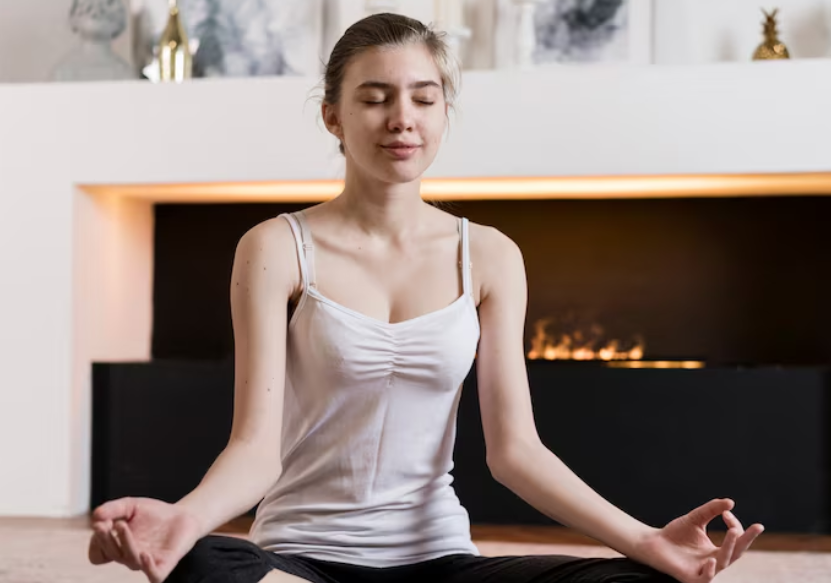
Breathing is one of the most powerful ways to connect the body and mind. Although it happens naturally, becoming more aware of each breath can create opportunities for relaxation, mindfulness, and personal growth. Many traditional wellness practices emphasize conscious breathing as a way to develop greater awareness, improve concentration, and create a deeper connection with the present moment. Among these practices, tantric breathing offers an approach that combines intentional breathing, meditation, and mindful awareness.
Understanding tantric breathing techniques can help individuals develop a more meaningful relationship with their breathing patterns. These practices encourage people to slow down, become aware of physical sensations, and focus their attention on the natural rhythm of inhaling and exhaling. Whether practiced during meditation or as part of a daily wellness routine, conscious breathing can support a calmer and more centered lifestyle.
Understanding the Meaning of Tantric Breathing
Tantric breathing is a mindful breathing practice associated with traditional Tantra, a broad spiritual tradition that emphasizes awareness, connection, and the relationship between the body and mind. Rather than treating breathing as an automatic physical process, this approach encourages individuals to use each breath as an opportunity to become more present.
The practice often involves controlled breathing, meditation, body awareness, and relaxation. Participants focus on how their bodies respond to different breathing rhythms while allowing unnecessary tension to gradually settle. The goal is not to force a particular breathing pattern but to develop greater awareness and intentionality.
One important aspect of tantric breathing is patience. Beginners do not need complicated techniques or lengthy meditation sessions. Starting with a few minutes of comfortable, mindful breathing can provide an opportunity to explore the practice without feeling overwhelmed.
Benefits of Practicing Conscious Breathing
Conscious breathing can become a valuable part of a balanced wellness routine. When people spend time focusing on their breathing, they may find it easier to pause, recognize tension, and redirect their attention away from everyday distractions.
Some potential benefits include:
Improved relaxation: Slow, comfortable breathing can encourage the body’s natural relaxation response and help reduce feelings of everyday stress.
Greater body awareness: Paying attention to breathing can help individuals recognize physical sensations and notice areas where they hold tension.
Better concentration: Focusing on each breath provides a simple point of attention that can support mindfulness and meditation.
Emotional awareness: Mindful breathing creates an opportunity to observe emotions without immediately reacting to them.
A stronger mind-body connection: Consistent practice can encourage individuals to become more attentive to the relationship between their thoughts, feelings, and physical experiences.
Although individual experiences vary, these benefits make conscious breathing an appealing addition to many personal wellness routines.
Exploring Different Tantric Breathing Techniques
There are several ways to incorporate intentional breathing into a mindfulness practice. Different tantric breathing techniques emphasize awareness, rhythm, relaxation, and coordination between breath and movement.
- Slow and Conscious Breathing
Slow breathing is a simple starting point for anyone interested in exploring mindful practices. Sit comfortably, relax your shoulders, and allow your breathing to become natural.
Breathe gently through your nose, noticing the movement of your abdomen and chest. Exhale comfortably without forcing the air out. Continue observing each breath while allowing distracting thoughts to pass.
This technique can be practiced for three to five minutes. Its simplicity makes it suitable for beginners who want to develop a consistent breathing routine.
- Rhythmic Breathing
Rhythmic breathing involves paying attention to the timing of inhalation and exhalation. The objective is to establish a comfortable rhythm rather than breathe as quickly or deeply as possible.
Begin by inhaling gently and then exhaling at a relaxed pace. Allow the breathing pattern to remain smooth and consistent. If counting helps, try breathing in for four comfortable counts and breathing out for four counts.
Adjust the timing according to your comfort. There is no need to hold your breath or continue if you experience dizziness or discomfort.
- Breathing With Body Awareness
This technique combines breathing with attention to different parts of the body. Find a quiet place and sit or lie down in a comfortable position.
As you inhale, notice the sensations around your abdomen and chest. During exhalation, consciously relax areas such as your shoulders, hands, and jaw.
Move your attention gradually through your body while maintaining natural breathing. This practice can help develop awareness of physical tension and encourage a more relaxed state.
- Meditation-Based Breathing
Meditation-based breathing focuses on using the breath as an anchor for attention. Close your eyes if comfortable and observe the natural flow of air as you inhale and exhale.
When thoughts arise, acknowledge them without judgment and gently return your attention to breathing.
This approach is particularly useful for individuals who want to combine meditation with tantric breathing. Regular practice can help make mindfulness a more familiar part of everyday life.
How to Build a Consistent Breathing Routine
Developing a regular routine is more important than attempting complicated exercises immediately. Beginners should start with short sessions and gradually discover which practices feel most comfortable.
Choose a peaceful environment where you can sit without interruptions. Wear comfortable clothing and maintain a relaxed posture. Begin with a few natural breaths before introducing any intentional breathing pattern.
A morning session can provide a quiet opportunity to prepare mentally for the day. Alternatively, practicing in the evening may help create a relaxing transition between daily responsibilities and bedtime.
Consistency also means respecting personal limits. Breathing should never feel uncomfortable or forced. If a particular exercise causes dizziness, breathlessness, or anxiety, return to normal breathing and stop the exercise.
Creating a Deeper Mind-Body Connection
One of the central ideas behind tantric breathing is developing awareness of the connection between physical sensations and mental experiences. Everyday activities can sometimes make people overlook their breathing habits and physical responses to stress.
Mindful breathing creates an opportunity to slow down and observe these experiences. For example, someone might notice that their breathing becomes shallow during a stressful situation or that their shoulders tighten when concentrating on a difficult task.
Recognizing these patterns can encourage healthier responses. Instead of automatically reacting to discomfort, individuals can pause, relax their posture, and return their attention to comfortable breathing.
With regular practice, these moments of awareness can become useful tools for maintaining a more balanced approach to daily life.
Common Mistakes Beginners Should Avoid
Although breathing exercises are generally simple, beginners sometimes make the mistake of trying too hard. Taking extremely deep breaths, holding the breath for extended periods, or attempting advanced exercises without proper guidance can create unnecessary discomfort.
Another common mistake is expecting immediate results. Mindfulness and breathing practices are personal experiences, and their effects may develop gradually.
It is also important not to compare personal progress with someone else’s experience. Everyone has different comfort levels, physical abilities, and preferences. A practice that feels suitable for one individual may not feel appropriate for another.
Keeping sessions comfortable, maintaining realistic expectations, and focusing on consistency can make the experience more enjoyable.
Making Tantric Breathing Part of Everyday Wellness
Wellness does not always require complicated routines or significant lifestyle changes. Sometimes, spending a few quiet minutes paying attention to breathing can create a valuable opportunity to reconnect with yourself.
Tantric breathing can be incorporated into meditation, gentle stretching, quiet reflection, or other relaxation activities. Individuals can experiment with different approaches while maintaining an emphasis on comfort and awareness.
Exploring tantric breathing techniques can also encourage a more thoughtful attitude toward personal wellness. Rather than viewing breathing as something that happens automatically, people can begin appreciating it as a natural connection between physical and mental experiences.
Conclusion
Conscious breathing offers a simple way to develop mindfulness, encourage relaxation, and improve awareness of the present moment. Through patience and regular practice, tantric breathing can become a meaningful part of a personal wellness routine.
By exploring different tantric breathing techniques, beginners can discover comfortable ways to combine breathing, meditation, and body awareness. The most important elements are consistency, patience, and respect for personal comfort. With these principles, mindful breathing can become an accessible practice that supports a calmer, more attentive, and balanced everyday lifestyle.