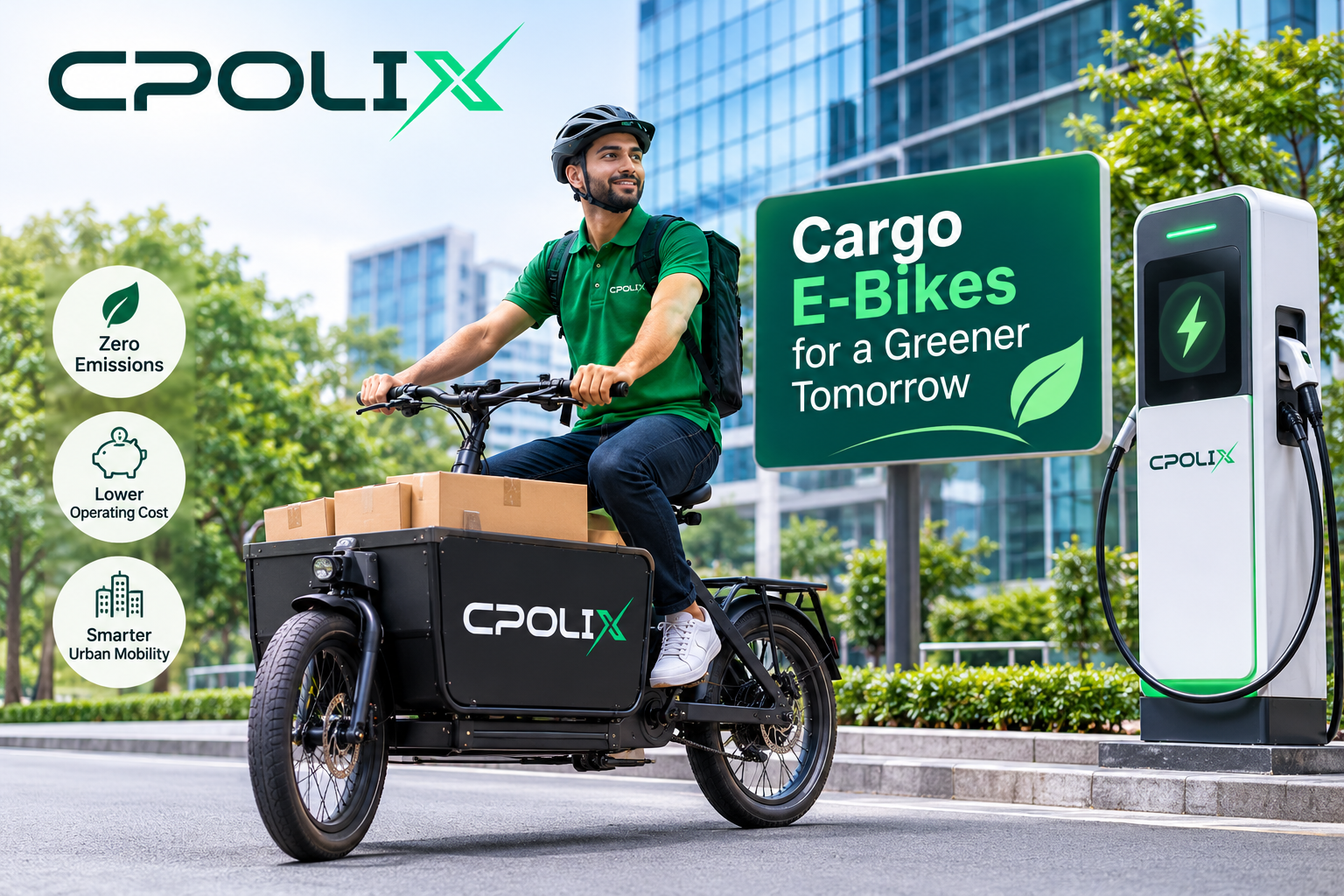
Urban transportation is changing rapidly as businesses and individuals look for cleaner, more affordable, and efficient mobility solutions. Cargo e bikes are becoming an important part of this transformation, particularly for last-mile deliveries, small businesses, and daily transportation. By combining electric assistance with practical cargo-carrying capacity, these vehicles offer an alternative to traditional delivery vans and fuel-powered two-wheelers.
As cities experience increasing traffic congestion, rising fuel costs, and growing environmental concerns, electric mobility is becoming more relevant than ever. Cargo electric bikes provide a practical way to transport goods while reducing operating expenses and supporting sustainable urban development.
The Growing Demand for Electric Cargo Transportation
The growth of online shopping, food delivery, grocery services, and local retail businesses has increased the demand for efficient delivery solutions. Traditional delivery vehicles often face difficulties navigating narrow streets, crowded markets, and busy residential areas.
Electric cargo bikes address several of these challenges. Their compact design allows riders to travel through congested areas, while electric assistance makes carrying heavier loads easier. Businesses can use them for short-distance deliveries without depending entirely on conventional fuel-powered vehicles.
Another important advantage is their lower operating cost. Electricity generally costs less than petrol for equivalent short-distance transportation, and electric drivetrains typically require fewer routine maintenance activities than combustion engines.
Why Businesses Are Adopting Cargo E-Bikes
Businesses are increasingly considering electric cargo bikes because they offer several operational benefits.
- Lower delivery expenses
Fuel expenses can significantly affect the profitability of delivery-based businesses. Electric cargo bikes help reduce dependence on petrol and diesel, making daily transportation more economical.
- Better performance in crowded areas
Large delivery vehicles may struggle in narrow streets and busy commercial locations. Cargo e-bikes are easier to maneuver and park, allowing delivery personnel to complete short-distance trips efficiently.
- Environmentally responsible operations
Electric cargo bikes produce no tailpipe emissions during operation. Businesses looking to improve their sustainability practices can incorporate these vehicles into their delivery networks.
- Flexible delivery applications
From grocery stores and restaurants to courier companies and local retailers, electric cargo bikes can support different transportation requirements. Depending on their design, they can carry food containers, packages, equipment, and other goods.
Important Features to Consider Before Choosing a Cargo E-Bike
Selecting the right electric cargo bike requires evaluating its intended application. Businesses should consider battery capacity, motor performance, payload capacity, braking systems, frame strength, and overall riding comfort.
Battery range is particularly important for delivery operations. A vehicle should be capable of completing its expected daily routes without frequent charging interruptions.
Payload capacity also deserves attention. Carrying excessive weight can affect vehicle performance, braking, and battery consumption. Businesses should always follow the manufacturer’s recommended limits.
Additionally, a reliable braking system, suitable tyres, weather-resistant components, and accessible servicing facilities can improve long-term usability.
How Technology Is Improving Electric Mobility
Electric vehicles are becoming increasingly connected. Modern mobility solutions can incorporate GPS tracking, battery monitoring, digital payments, route planning, and fleet management tools.
These technologies help businesses understand vehicle utilization, monitor operational performance, and manage transportation resources more effectively.
For companies operating larger electric fleets, digital management becomes especially valuable. Instead of manually tracking every vehicle, businesses can use centralized systems to monitor important information and identify operational issues.
The Importance of Charging Infrastructure
The success of electric transportation depends not only on vehicles but also on accessible and dependable charging infrastructure. Businesses operating multiple electric vehicles need suitable charging arrangements to maintain daily operations.
Charging locations should be selected according to vehicle routes, parking facilities, operating schedules, and electricity availability. Fleet operators may also benefit from scheduled charging to avoid unnecessary power consumption during peak electricity demand.
As electric mobility expands, charging infrastructure must become more organized, scalable, and easier to manage.
Opportunities for Small Businesses and Delivery Companies
Electric cargo bikes create opportunities for businesses that want to modernize their delivery operations without investing in expensive commercial vehicles.
Local supermarkets, pharmacies, restaurants, courier services, and warehouse operators can explore electric cargo transportation for suitable delivery routes.
Small businesses can begin with a limited number of vehicles and expand their fleet as operational requirements increase. This approach allows them to evaluate vehicle performance, charging requirements, and delivery economics before making larger investments.
What the Future Holds for Electric Cargo Transportation
The future of electric cargo transportation will likely involve better battery technology, improved vehicle designs, smarter fleet management, and more accessible charging networks.
As battery efficiency improves and electric vehicle adoption increases, cargo e-bikes could become an increasingly common part of urban delivery systems.
However, successful adoption will require coordination between vehicle manufacturers, infrastructure providers, fleet operators, and technology companies. Reliable charging facilities and efficient digital management will remain essential to building sustainable electric transportation networks.
Conclusion
Electric cargo transportation represents an important step toward cleaner and more efficient urban mobility. Cargo e-bikes can help businesses reduce delivery expenses, navigate congested streets, and support environmentally responsible operations. However, the long-term success of electric fleets also depends on reliable charging facilities and effective energy management.
A dependable EV charging management system can help charging operators monitor charging sessions, manage connected chargers, track performance, and improve infrastructure utilization. Companies such as CPOLIX are contributing to this evolving ecosystem through technology designed to make EV charging operations more organized, connected, and efficient.