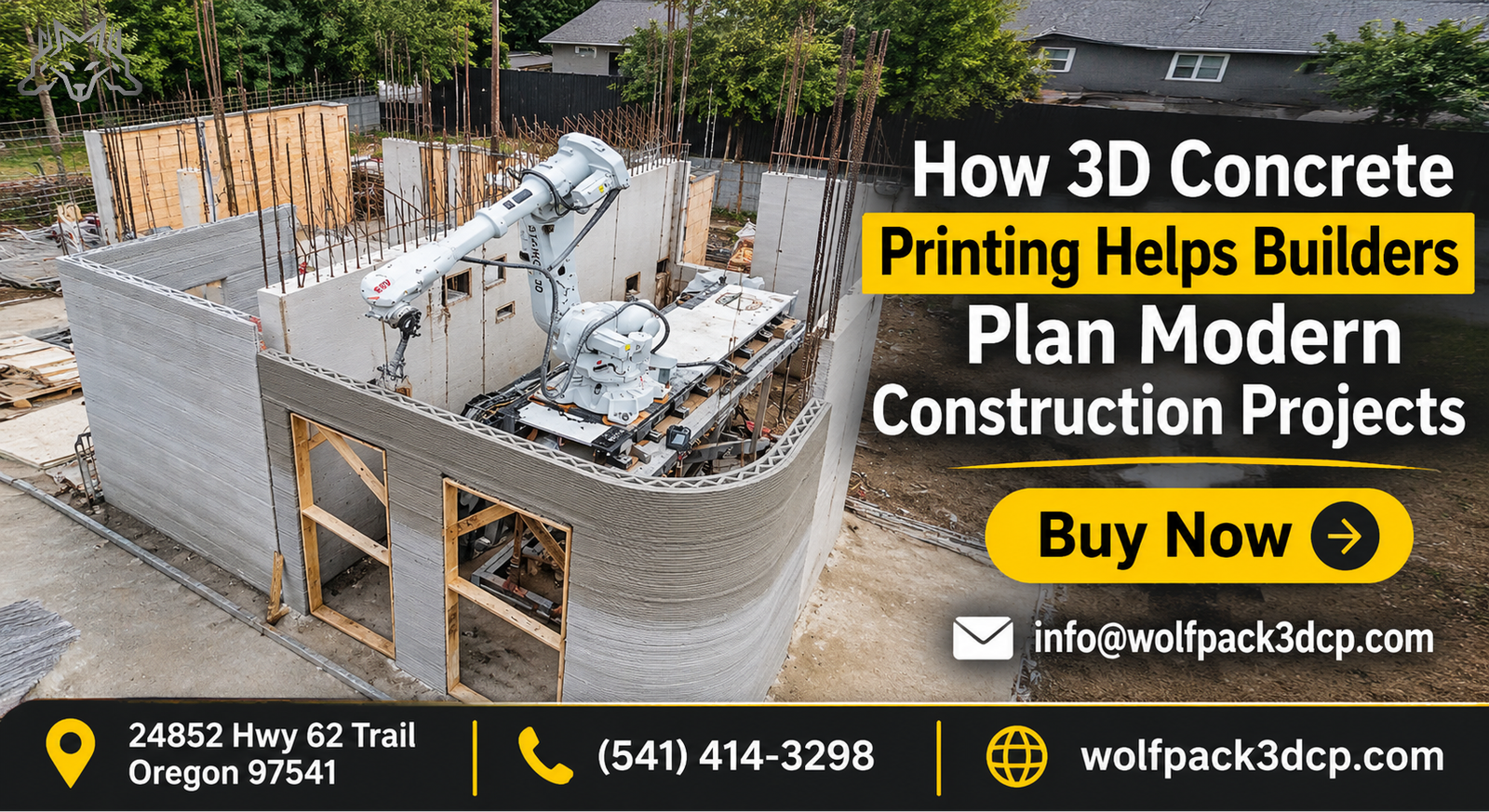
Construction professionals continue to evaluate new technologies that can support different building methods and project requirements. 3D Concrete Printing for Builders offers an alternative approach to creating selected wall structures through automated material placement. This technology combines digital design, specialized equipment, and cement-based materials to produce planned structures layer by layer.
For builders working in California, concrete 3D printing can provide additional options when planning residential, commercial, and architectural projects. However, successful implementation requires suitable designs, proper site preparation, compatible materials, and coordination between construction teams.
Understanding 3D Concrete Printing in Construction
Concrete 3D printing is an automated construction process that uses a robotic printer to deposit material according to a digital model. Instead of relying entirely on traditional formwork and manual placement, the printer follows a programmed path to build selected structures in successive layers.
The process begins with a digital design that guides the printer’s movements. A material preparation system mixes and supplies the concrete mixture, while the printing equipment places it in the required shape.
This method can support certain customized wall designs and architectural features. Its suitability depends on the printer’s capabilities, material properties, structural requirements, and project specifications.
Why Builders Are Interested in Concrete Printing Technology
Builders need construction methods that match their project designs, available resources, and delivery requirements. Concrete 3D printing provides another option to consider during the planning stage.
Greater Design Possibilities
Digital printing can support selected curved geometries and customized wall patterns. Architects and designers can evaluate shapes that may require more complex planning with conventional construction methods.
Automated Material Placement
A robotic printer follows a digital design to deposit material in controlled layers. This process provides a programmed approach to material placement during printing.
Reduced Formwork in Suitable Applications
Some printed wall designs may reduce the need for conventional formwork. The actual requirements depend on the structure, engineering design, and construction method.
Access to Modern Construction Equipment
Builders can explore automated equipment through rental arrangements rather than purchasing a complete system immediately. This can be useful when evaluating the technology for a specific project.
How Builders Can Prepare for a 3D Concrete Printing Project
Proper preparation helps construction teams understand the technical and practical requirements before printing begins.
Evaluate the Building Design
The first step involves reviewing the proposed structure and determining whether it is suitable for concrete printing. Architects and engineers should consider wall dimensions, geometry, structural requirements, and applicable building standards.
Prepare the Digital Model
The printing process uses a digital model to guide the equipment. The design team must ensure that the model is compatible with the selected printer and its operating capabilities.
Review Material Requirements
Concrete printing requires a suitable cement-based mixture with properties appropriate for the selected equipment and printing process. Material consistency, workability, and layer stability are important considerations.
Plan the Construction Site
The printing location should provide a level surface, adequate working space, and suitable access for the equipment. Contractors should also arrange the necessary power and water connections.
Coordinate Labor and Supervision
The construction team should arrange the required labor support and site supervision. Clear responsibilities help coordinate equipment operation, material handling, and general site activities.
What Equipment Is Needed for Concrete 3D Printing?
A concrete printing project involves more than the printer itself. Supporting equipment helps prepare and deliver the material during the printing process.
Common equipment components include:
- Robotic concrete printer: Follows the digital design and deposits material in layers.
- Pump system: Transfers the prepared material to the printing equipment.
- Continuous mixer: Prepares and supplies the printing mixture during operation.
- Digital design system: Provides the model and printing instructions.
- Operator support: Helps with equipment setup, calibration, and operation.
The exact equipment configuration depends on the printer and project requirements. Builders should confirm the equipment included in a rental package before scheduling the work.
Applications of 3D Concrete Printing for Builders
Concrete 3D printing can support several construction applications when the design and engineering requirements allow its use.
Residential Wall Construction
Builders can evaluate concrete printing for selected residential wall systems. The process may support planned wall geometries and customized designs.
Accessory Dwelling Units
ADU projects involve specific design and permitting requirements. Concrete printing may be considered for suitable wall components after reviewing structural requirements and local building regulations.
Custom Architectural Structures
Architects and builders can evaluate printing for selected architectural features that involve curved shapes or customized geometries.
Landscape and Outdoor Features
Certain outdoor structures, such as planters, benches, and decorative walls, may also be suitable for concrete printing, depending on their design and intended use.
Commercial Construction Projects
Commercial builders can assess whether concrete printing fits selected project components. They should evaluate production requirements, structural specifications, site access, and inspection procedures before choosing this method.
Renting Concrete Printing Equipment for a Construction Project
Buying specialized printing equipment may not be practical for every construction company. Renting provides another way to access the technology for a selected project.
A rental arrangement can help builders evaluate the equipment, understand the printing process, and determine whether it fits their construction workflow.
Before arranging a rental, contractors should confirm:
- Which printer and supporting equipment are included
- Whether a certified operator is provided
- The expected rental period
- Material preparation requirements
- Site preparation responsibilities
- Labor and utility requirements
- Transportation and setup arrangements
- Permits, inspections, and insurance documentation
Clear communication with the rental provider can help prevent misunderstandings during project preparation.
Important Challenges Builders Should Consider
Although concrete 3D printing offers new construction possibilities, builders should understand its limitations before selecting the method.
Material performance: The printing mixture must meet the requirements of the equipment and intended structure.
Structural compliance: Printed structures require appropriate engineering review and must comply with applicable building codes.
Weather and site conditions: Temperature, environmental conditions, and site preparation can affect printing operations.
Equipment limitations: Printer capabilities determine the dimensions, shapes, and configurations that can be produced.
Workforce coordination: Construction teams still need labor, supervision, material handling, and appropriate safety procedures.
Evaluating these factors early can help builders determine whether concrete printing is appropriate for their project.
Explore Concrete Printing Equipment with WolfPack 3DCP
Builders and contractors in Southern California can explore concrete printing equipment and rental options through WolfPack 3DCP. The company offers the Scara Elite Roadrunner for rental with a certified WolfPack operator, pump system, and continuous mixer.
This equipment option gives construction professionals an opportunity to evaluate robotic concrete printing for suitable projects without immediately purchasing a complete system.
The rental process also involves specific client responsibilities, including providing at least two general laborers, preparing a level printing surface, arranging stable power and water access, and managing site supervision, safety, permits, inspections, and required insurance documentation.
To review the equipment and understand the rental requirements, visit WolfPack 3DCP’s concrete printer rental page.
Frequently Asked Questions:
What is 3D concrete printing for builders?
It is an automated construction method that uses a robotic printer to deposit cement-based material in layers according to a digital design.
Can concrete 3D printing create customized wall designs?
Yes. The technology can support selected curved shapes and customized wall geometries, depending on the printer’s capabilities and approved project design.
What equipment is required for concrete 3D printing?
A typical setup may include a robotic printer, pump system, continuous mixer, digital design software, and operator support.
Is renting concrete printing equipment suitable for small construction companies?
Rental can be useful for companies that want to evaluate the technology or use it for a specific project without purchasing a complete printing system.
Where can builders find concrete printer rental options in Southern California?
Builders can contact WolfPack 3DCP to review the Scara Elite Roadrunner rental package, equipment details, and project requirements for locations in Southern California.
Conclusion:
3D Concrete Printing for Builders provides another approach to planning selected construction projects through digital design and automated material placement. The technology can support customized wall structures and architectural applications when the design, equipment, and material requirements are suitable.
Builders should evaluate project specifications, site conditions, labor arrangements, and regulatory requirements before adopting this construction method. WolfPack 3DCP helps construction professionals in Los Angeles, Long Beach, and Southern California explore concrete printing equipment and rental options for their projects.