Swimming pool design involves more than selecting the shape and dimensions of the water basin. Lighting, decorative water features, seating arrangements, and surrounding landscaping can influence how the entire outdoor space looks and functions. These elements should be considered during Custom Pool Construction because they may require additional plumbing, electrical connections, and structural preparation.
A coordinated design helps ensure that decorative features complement the swimming area without interfering with water circulation, maintenance, or safety.
Understanding Decorative Pool Water Features
Water features introduce movement and sound into a swimming pool environment. Common options include waterfalls, fountains, deck jets, spillways, and integrated water walls.
The appropriate feature depends on the pool’s dimensions, architectural style, and available equipment capacity.
Waterfalls and Natural Spillways
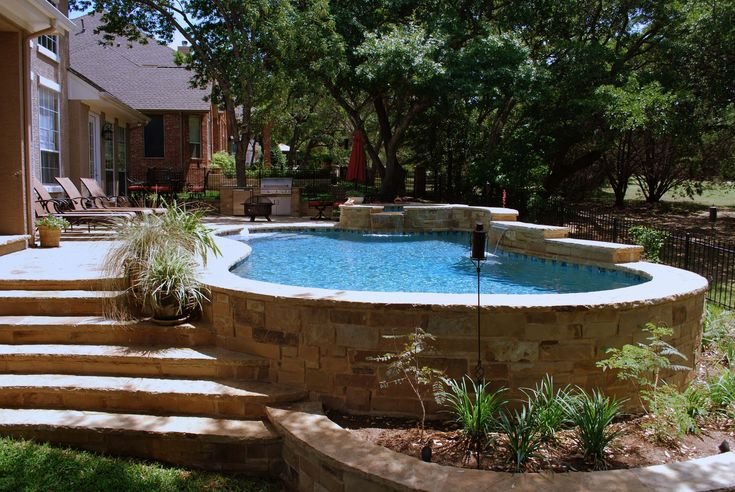
Waterfalls can create a natural appearance when combined with stone surfaces and surrounding plants. They may be installed along a raised wall or integrated into a separate architectural structure.
Their design should consider water flow, splash patterns, waterproofing, and the location of the collection area.
Decorative Fountains and Deck Jets
Fountains and deck jets create controlled streams of water that enter the pool. These features generally require dedicated plumbing connections and suitable pump capacity.
Their positioning should avoid creating excessive splashing around walkways or seating areas.
Planning Underwater Pool Lighting
Lighting improves visibility and changes the appearance of the water after sunset. Underwater LED fixtures are commonly used because they offer different brightness levels and color options.
Light placement should provide balanced illumination without creating unnecessary glare.
Selecting Appropriate Lighting Fixtures
Fixtures must be suitable for submerged environments and installed according to electrical safety requirements.
Transformers, bonding, grounding, and protective devices should be selected and installed by qualified professionals.
The number and position of fixtures depend on pool dimensions, depth, shape, and desired lighting distribution.
Designing Lighting Around the Pool Deck
Underwater lights are only one part of an outdoor lighting plan. Pathway lights, step lights, and indirect landscape lighting can help improve visibility around the pool.
Low-level lighting may be useful around changes in elevation and entry points.
Fixtures should be positioned to avoid direct glare into nearby windows or seating areas.
Combining Pool Features With Landscaping
Landscaping can connect the swimming pool with the surrounding garden. Trees, shrubs, decorative stones, and planting beds can provide visual balance and privacy.
However, plants should be selected according to their root systems, maintenance requirements, and tendency to drop leaves.
Irrigation systems should also be planned to prevent unnecessary water accumulation around the pool structure.
Integrated Seating and Relaxation Areas
Built-in benches and shallow lounging areas can make a swimming pool more versatile.
Seating should be positioned so it does not obstruct swimming routes or interfere with the circulation system.
Steps and benches should have suitable surface finishes and clearly defined transitions.
Technical Requirements for Additional Features
Decorative features often require separate hydraulic planning. Waterfalls, fountains, and jets can increase demand on pumps and filtration equipment.
The design team should calculate flow rates and pressure requirements before specifying the equipment.
Additional electrical systems may also require dedicated protection and appropriate installation locations.
Maintenance Considerations
Water features require regular cleaning to prevent debris accumulation and mineral deposits. Lighting fixtures, electrical connections, and pumps should also receive periodic inspection.
Accessible equipment locations make maintenance easier and reduce the need to disturb finished landscaping.
Conclusion
Thoughtful hillside Pool builder Construction combines lighting, water features, landscaping, and practical swimming areas into a coordinated outdoor design. Waterfalls, fountains, underwater LEDs, and integrated seating can contribute to the pool’s appearance and usability when properly planned. A well-designed Custom Backyard Pool should balance decorative elements with circulation, electrical safety, and long-term maintenance.