
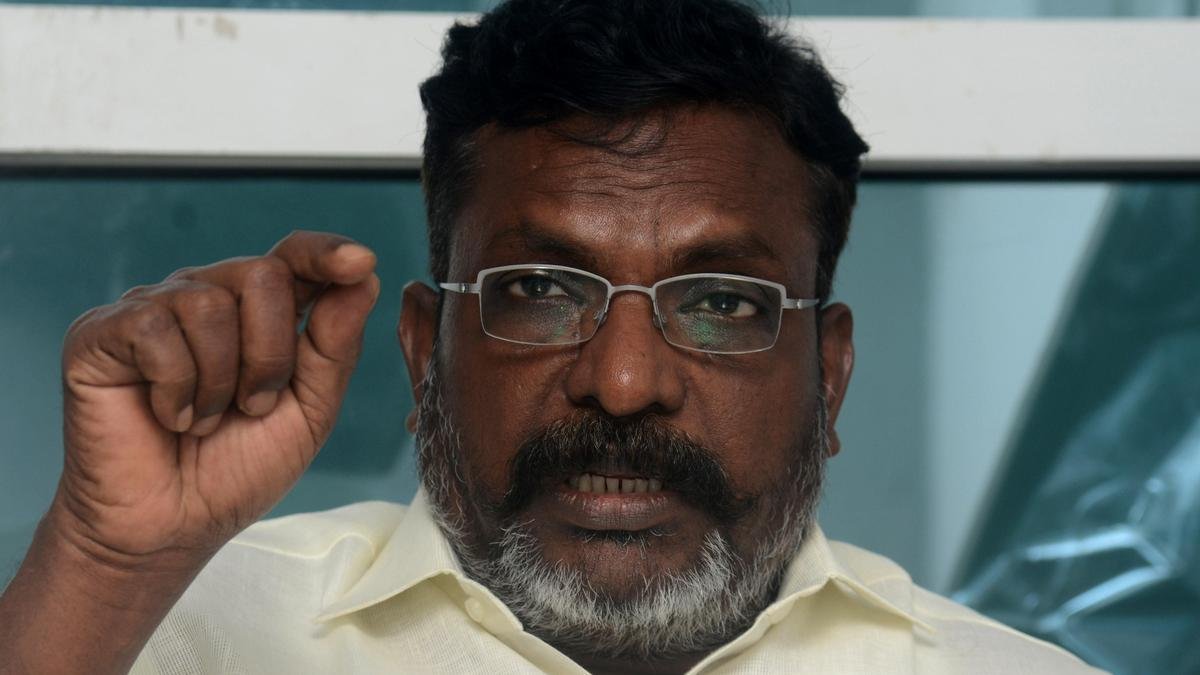
In a significant political reaction to recent legal proceedings, Viduthalai Chiruthaigal Katchi (VCK) president Thol. Thirumavalavan has publicly criticized the Supreme Court’s interim verdict regarding the Thirupparankundram case, characterizing the order as "shocking." The leader expressed concern over the broader socio-political implications of the temporary judicial ruling, warning that it could be interpreted in ways that threaten communal harmony.
Overview of the VCK Chief’s Statement
Following the pronouncement of the interim verdict by the Supreme Court of India, VCK chief Thol. Thirumavalavan released a statement reacting to the judicial development. He voiced apprehension regarding how the court’s provisional directions might be framed by political and religious groups in the region.
According to the VCK leader, the interim ruling carries risks of misinterpretation. Specifically, he stated that the verdict could be claimed by "communal forces as a victory for themselves." Furthermore, Thirumavalavan highlighted the potential consequences for public order, warning that the decision could "create an atmosphere conducive to violence."
Key Concerns Highlighted by VCK
- Terming the Order ‘Shocking’: The primary leadership of the VCK expressed deep surprise and concern over the nature of the Supreme Court’s interim directions.
- Risk of Misrepresentation: Concerns were raised that reactionary groups could celebrate the interim order as a final validation of their stance, thereby polarizing public sentiment.
- Potential Impact on Public Order: The VCK leader emphasized the risk of heightened tension, stating that the situation could foster an environment susceptible to conflict if not handled with care by state authorities.
Understanding Interim Verdicts in Legal Context
To understand the implications of the announcement, it is helpful to examine how interim orders function within the Indian legal framework. An interim verdict or interim order is a temporary directive issued by a court while a case remains under active consideration.
Characteristics of Interim Orders
- Provisional Nature: An interim decision does not represent the final judgment on the merits of a dispute. It serves as an operational mechanism until the court completes full hearings.
- Maintenance of Status Quo or Specific Relief: Courts often issue interim directives to preserve the subject matter of litigation, protect rights temporarily, or manage immediate administrative concerns.
- Subject to Final Determination: Legal arguments, evidence examination, and final rulings remain subject to further proceedings before the court delivers its ultimate verdict.
Socio-Political Context in Tamil Nadu
Reactions to judicial decisions in Tamil Nadu frequently reflect broader debates surrounding secularism, social justice, and community relations. Political parties such as the VCK actively monitor judicial proceedings concerning heritage sites, local administration, and public rights to ensure that public peace and social equity are upheld.
When legal disputes involving sensitive local heritage or religious sites reach apex judicial forums like the Supreme Court, political leaders often urge vigilance to prevent localized tensions from expanding into wider communal friction.
Responsibilities of Civil Leadership and State Authorities
In light of political statements highlighting potential law and order risks, constitutional law experts and public administrators emphasize the importance of key precautionary measures:
1. Maintaining Law and Order
State enforcement agencies typically increase monitoring and deploy precautionary measures in sensitive areas to prevent any group from engaging in provocative celebrations or actions that could trigger unrest.
2. Clear Public Communication
Legal experts note the importance of communicating the precise nature of interim decisions to the public, emphasizing that legal processes are ongoing and that interim directives should not be misinterpreted as final adjudications.
3. Promoting Peace and Restraint
Political parties, civil society organizations, and community leaders play a crucial role in appealing for calm, urging stakeholders to respect legal channels and maintain peace while judicial proceedings continue.
Sources and Reference
The core details of this news report are derived from verified media coverage:
