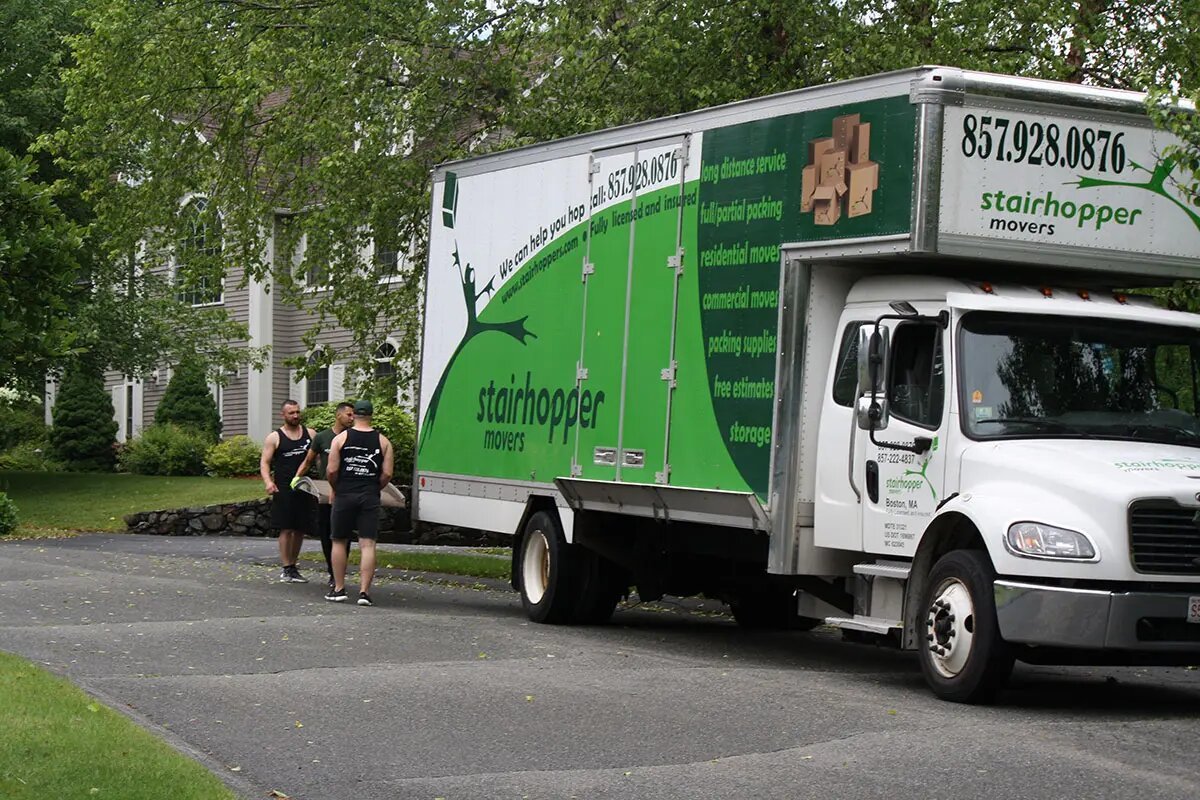
Packing, carrying, loading, hauling, and final placement all work together as one connected process, making a household move feel easier. Each of these stages can be incorporated before the first box leaves the house, with the right planning from Boston moving companies. That link is important because one small mistake early may result in more work later. Bad labels can delay unloading, furniture not ready can delay loading, and lack of access information can affect arrival. A good plan will advise residents as to what to pack first, what needs extra protection, and where to place the larger items in the new property. Then each step is fed into the next, rather than re-deciding. This article talks about connected moving support that can help to close gaps and make a household move easier.
Packing Should Prepare Belongings for Later Stages
Packing is not merely packing cartons. It should also ease transportation, loading, and delivery. Easy-to-read room labels allow crews to know where things go, and fragile markings help identify cartons that need to be treated gently. Organized professional movers in Boston are able to separate furniture parts, valuables, and essentials from the main load. Medicines, keys, documents, chargers, and basic clothing can be kept close at hand rather than having to rummage for them later. Small hardware should still be in the right furniture, and heavy cartons should still be liftable. The rest of the journey, the pack should think of. This will help to prevent problems during transport and final setup.
Furniture Handling Needs an Early Plan
The largest time gaps between preparation and loading are often for big pieces. Sofas, beds, dining tables, cabinets, and shelving may need measuring, wrapping, or partial disassembly to move safely through doors and stairways. Good moving service reliability standards recognize these needs early and fix them before the lifting has started. Hardware can be kept in labeled bags, removable shelves can be secured, and sensitive surfaces protected. Also, it’s a good idea to check the route at both properties. A piece that can easily run off home may have a narrow entrance to its destination. Furniture is protected by anticipating differences, and the work progresses at a steady pace.
Small Checks Keep Every Stage Connected
The gaps between one stage and the next can be avoided by a few practical measures:
-
Room destination label boxes
-
Clearly mark contents as fragile
-
Keep everyday essentials separate
-
Check stairs, elevators and parking
-
Identify which furniture to take apart
-
Have hardware with matching parts
-
Figure out where to put large things
These checks are basic, but they give the crew useful information before work starts. They also help residents avoid making repeated decisions while their things are being moved. So it’s easier to follow loading and unloading if each item has a clear route and destination.
Loading Choices Affect Final Delivery
Load the truck to deliver, don’t load it to fill space. Heavy furniture should be placed securely, fragile cartons should be protected, and stuff that is going to be needed soon after arrival should be reasonably accessible. A Boston, MA moving services full packing and moving assistance planning model can link packing order to transportation and room placement. For example, bedroom furniture and clearly labeled boxes can be prepared with the end destination in mind. This cuts down on sorting that is not necessary once you arrive, and it cuts down on the chance that lighter items will be placed where heavier items could crush them. A thoughtful loading sequence can make unloading feel much less crowded and confusing.
Delivery Should Follow the Same System
Offloading is easier if the destination is already taken into account. Residents can decide where to put beds, sofas, tables, cabinets, and other large items, so the crew can place them right in place. The same room-by-room system can be used for boxes with clear labels. It also cuts down on endless lifting and prevents entryways from getting cluttered with a mishmash of items. It also helps important spaces come into use sooner. Instead of bringing everything together in one central location and sorting it out later, families can start unpacking the rooms they need most. The original process ends with delivery; it is not an entirely different job. Plan the placement consistently.
Keeping the Whole Move Connected
A properly managed move involves packing, furniture handling, loading, transport, and placement. They all work better together. Getting decisions made early can help cut down on rework and help residents feel more prepared when their belongings arrive at the new home.
Moving house is a task that needs to be properly prepared and constantly coordinated at each stage. Stairhopper Movers is a residential moving company. The company prides itself on good communication, careful handling, and practical planning for your destination. Its team works to maintain the link of the transition from the first packed item to the last placement intact, providing households with a more controlled and reliable moving experience.
Frequently Asked Questions
Question: Why should packing be planned with delivery in mind?
Answer: Packing with delivery in mind helps crews identify rooms, protect fragile items, reduce sorting, and place belongings correctly, making unloading faster while helping households settle into important spaces sooner afterward.
Question: What furniture details should be checked before moving day?
Answer: Check dimensions, doorway clearance, stair turns, removable parts, hardware, fragile surfaces, and final room placement so larger pieces can be prepared properly before carrying and loading begins safely that day.
Question: How does clear labeling improve the moving process?
Answer: Clear labels show where cartons belong, identify fragile contents, reduce repeated questions, support better loading choices, and help crews place belongings directly into the correct rooms after arrival without confusion.