
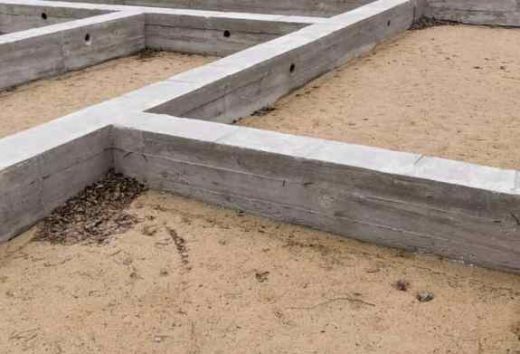
A strong foundation is the base of every safe and long-lasting structure. Whether you build a house, an office, or a large industrial project, the foundation must carry the load and transfer it safely to the ground. In modern construction, builders are moving toward faster and more efficient methods. One of the best solutions today is precast footings.
Precast footings help save time, improve quality, and reduce on-site work. We will explain what they are, how they work, their types, benefits, applications, installation process, and common problems with solutions.
What Are Precast Footings?
Precast footings are concrete foundation elements that workers manufacture in a controlled factory environment. After the concrete sets and gains strength, they transport these footings to the construction site and install them.
In traditional construction, workers pour concrete directly into the ground at the site. This process takes time and depends on weather conditions. In contrast, precast footings are ready-made and ready to install.
You can think of precast footings as pre-built foundation blocks that make construction faster and easier.
Why Do Builders Use Precast Footings?
Builders and engineers use precast footings because they offer many practical advantages. They help improve both speed and quality in construction projects.
Here are the main reasons:
- They reduce construction time
- They improve consistency and quality
- They reduce labor work on-site
- They allow faster project completion
- They work well in all weather conditions
- They reduce delays caused by rain or temperature changes
Because of these benefits, precast footings are becoming more popular in modern construction.
How Do Precast Footings Work?
Precast footings work in the same way as traditional footings. They support the structure and transfer its weight to the soil.
Here’s how they function step by step:
- The structure applies load downward
- The footing spreads the load over a larger area
- The soil carries the load safely without failure
Because manufacturers produce precast footings in a controlled environment, they often have better strength and durability than cast-in-place footings.
Types of Precast Footings
There are different types of precast footings. Engineers choose the type based on the project requirements.
1. Precast Spread Footings
Precast spread footings are wide and flat. They spread the load over a large surface area.
Best for:
- Residential houses
- Small buildings
These footings work well when the soil has good bearing capacity.
2. Precast Pad Footings
Pad footings are square or rectangular blocks placed under columns.
Best for:
- Structural columns
- Medium load structures
They provide strong support for vertical loads.
3. Precast Strip Footings
Strip footings run continuously under walls.
Best for:
- Load-bearing walls
- Long structures
They help distribute weight evenly along the wall.
4. Precast Pier Footings
Pier footings go deeper into the ground and support heavy loads.
Best for:
- Industrial buildings
- Heavy structures
They provide extra strength where soil conditions are weak.
5. Precast Pile Caps
Pile caps connect multiple piles and distribute the load evenly.
Best for:
- Bridges
- Large infrastructure projects
They are used when deep foundations are required.
Benefits of Precast Footings
Precast footings offer many advantages, which make them a smart choice for construction
1. Fast Construction
Workers can install precast footings quickly because they are already made. This saves a lot of time compared to traditional methods.
2. High Quality
Factories control the mixing, pouring, and curing of concrete. This ensures strong and consistent quality.
3. Weather Independence
Rain, heat, or cold weather does not affect production in a factory. This helps avoid delays.
4. Reduced Labor
Less work is required on-site. This reduces labor costs and improves safety.
5. Strong and Durable
Precast footings are designed to last for many years. They resist cracking and damage.
6. Clean Construction Site
Since most work happens in the factory, the site stays cleaner and more organized.
7. Better Project Planning
Builders can plan and schedule projects more accurately because precast elements are ready on time.
Common Applications of Precast Footings
Precast footings are used in many types of construction projects.
1. Residential Buildings
Builders use them in houses and small buildings for quick and reliable foundations.
2. Commercial Projects
Offices, shopping centers, and hotels use precast footings to save time.
3. Industrial Structures
Factories and warehouses require strong foundations, and precast footings meet this need.
4. Infrastructure Projects
Bridges, highways, and public utilities use precast systems for efficiency and strength.
5. Modular Construction
Precast footings are perfect for modular buildings where speed and precision are important.
Step-by-Step Installation Process
Installing precast footings is simple, but workers must follow the correct steps.
Step 1: Site Preparation
Workers clear the area and remove debris. They level the ground to prepare for excavation.
Step 2: Excavation
They dig holes or trenches according to the design.
Step 3: Base Preparation
Workers add sand or gravel to create a stable base. This helps distribute the load evenly.
Step 4: Placement of Footings
Workers use cranes or lifting equipment to place the precast footings in position.
Step 5: Alignment and Leveling
They adjust the footings to ensure they are level and properly aligned.
Step 6: Connection
Workers connect the footings to columns or other structural elements using bolts or reinforcement.
Step 7: Backfilling
They fill the surrounding space with soil and compact it to provide stability.
Important Design Considerations
Engineers must consider several factors before using precast footings.
1. Soil Bearing Capacity
The soil must be strong enough to support the structure.
2. Load Requirements
The footing design must match the weight of the structure.
3. Size and Shape
Footings must be large enough to distribute the load safely.
4. Reinforcement
Steel reinforcement increases strength and durability.
5. Transportation
The size of the footing must allow easy transport to the site.
6. Site Conditions
Engineers must consider water levels, slope, and soil type.
Common Problems and Solutions
Precast footings are reliable, but problems can occur if workers do not follow proper methods.
1. Improper Placement
Cause: Poor alignment during installation
Solution: Use skilled workers and proper equipment
2. Soil Settlement
Cause: Weak or loose soil
Solution: Improve soil or use deeper foundations
3. Cracks in Footings
Cause: Rough handling or overloading
Solution: Use proper lifting and follow design limits
4. Connection Failure
Cause: Poor joining with structure
Solution: Follow correct connection methods
5. Uneven Base
Cause: Poor ground preparation
Solution: Level and compact the base properly
Best Practices for Long-Term Performance
To get the best results from precast footings, follow these best practices:
- Use high-quality materials
- Prepare the site properly
- Check alignment carefully
- Use proper lifting equipment
- Follow engineering standards
- Inspect installation regularly
- Plan for future loads
These steps will ensure a strong and long-lasting foundation.
Precast Footings vs Cast-in-Place Footings
| Feature | Precast Footings | Cast-in-Place Footings |
|---|---|---|
| Construction Time | Fast | Slow |
| Quality Control | High | Moderate |
| Labor Required | Low | High |
| Weather Impact | Low | High |
| Durability | High | Good |
Precast footings are ideal when speed, quality, and efficiency are important.
Why Precast Footings Are Important Today
Modern construction focuses on speed, quality, and cost control. Precast footings meet all these needs.
They allow builders to complete projects faster while maintaining high standards. They also support modern building methods like prefabrication and modular construction.
As demand for faster construction grows, the use of precast footings will continue to increase.
Conclusion
Precast footings are a smart and modern solution for building strong foundations. They offer many benefits, including faster construction, better quality, and long-term durability.
Builders use them in residential, commercial, and industrial projects because they save time and reduce costs. When installed correctly, precast footings provide a safe and reliable foundation for many years.