
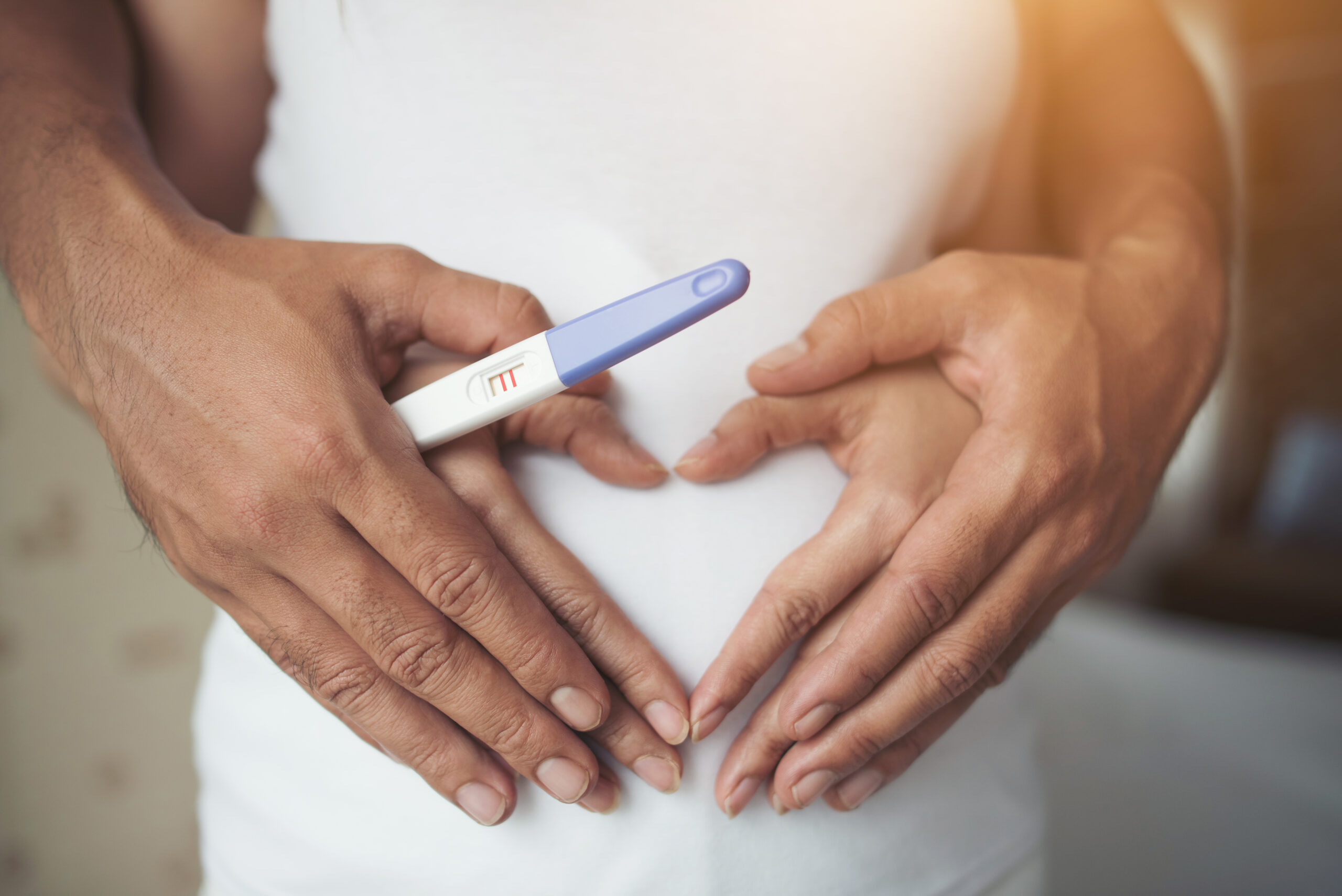
Understanding Dysgeusia During Pregnancy
Pregnancy brings many physical and emotional changes, some expected and some completely surprising. While symptoms like morning sickness, fatigue, and food cravings are widely discussed, many women are caught off guard by an unusual symptom, a persistent bitter or metallic taste in the mouth.
If you have been experiencing a strange taste that refuses to go away even after brushing your teeth or eating your favorite foods, you are not alone. This condition is medically known as dysgeusia, a temporary alteration in the sense of taste that commonly occurs during pregnancy. It can make foods taste bitter, metallic, sour, or simply unpleasant. Hormonal changes are the primary reason behind this condition, especially during the first trimester.
Although dysgeusia is usually harmless, it can affect appetite, food choices, and overall comfort during pregnancy. Understanding why it happens and how to manage it can make this phase much easier.
What Is Dysgeusia?
Dysgeusia refers to a change or distortion in the sense of taste. Many pregnant women describe it as:
- A bitter taste in the mouth
- A metallic or “coin-like” taste
- A sour or unpleasant flavor
- A strange taste even when not eating anything
This symptom is particularly common during early pregnancy and often appears alongside nausea and morning sickness. Hormonal fluctuations can alter the way taste buds and smell receptors function, making familiar foods taste completely different.
Why Does a Bitter Taste Occur During Pregnancy?
1. Hormonal Changes
The most common cause of a bitter taste during pregnancy is the dramatic rise in hormones, particularly estrogen and progesterone.
These hormones influence taste perception and may alter the way the brain interprets flavors. Research has shown that hormonal changes during pregnancy can directly affect taste sensations and eating behavior.
Because hormone levels rise rapidly during the first trimester, many women notice dysgeusia during the early weeks of pregnancy.
2. Morning Sickness and Nausea
Nausea and vomiting can contribute to an unpleasant taste in the mouth. Stomach acids reaching the mouth during vomiting episodes often leave a bitter or acidic aftertaste.
Women experiencing severe morning sickness may notice stronger taste disturbances compared to those with milder symptoms.
3. Acid Reflux During Pregnancy
Pregnancy hormones relax the muscles that normally prevent stomach acid from moving upward into the esophagus.
As a result, acid reflux becomes common during pregnancy, especially during the second and third trimesters. When stomach acid reaches the throat or mouth, it can create a bitter or sour taste sensation.
4. Increased Sensitivity to Smells and Tastes
Pregnancy often heightens the senses of smell and taste.
Certain foods, beverages, perfumes, or cooking aromas may suddenly become overwhelming. This increased sensory sensitivity can make ordinary foods seem bitter or unpleasant.
5. Prenatal Vitamins and Supplements
Some prenatal vitamins, especially those containing iron, can contribute to a metallic or bitter taste in the mouth.
Many women notice that the unpleasant taste becomes more noticeable shortly after taking their supplements.
When Does the Bitter Taste Usually Start?
For most women, dysgeusia begins during the first trimester when hormone levels are rapidly increasing.
Some women notice it as one of their earliest pregnancy symptoms. The intensity varies from person to person. While some experience only mild changes, others find that nearly every food tastes different.
The good news is that the symptom often improves as pregnancy progresses. Many women report relief during the second trimester when hormonal changes become more stable.
Can a Bitter Taste Affect Nutrition During Pregnancy?
Yes, in some cases it can.
When foods taste unpleasant, pregnant women may avoid eating certain nutritious foods or experience reduced appetite. Severe taste changes can sometimes interfere with maintaining a balanced diet.
Medical experts note that dysgeusia may affect food enjoyment and nutritional intake if symptoms become significant.
For this reason, it is important to find coping strategies that allow you to continue consuming essential nutrients for both maternal and fetal health.
Effective Ways to Manage a Bitter Taste During Pregnancy
Although there is no instant cure, several simple measures can help reduce the unpleasant taste.
Stay Hydrated
Drinking plenty of water throughout the day helps keep the mouth moist and may reduce unpleasant flavors.
Proper hydration also helps combat dry mouth, which can worsen taste disturbances.
Practice Good Oral Hygiene
Brushing your teeth twice daily, flossing regularly, and gently cleaning your tongue can help minimize lingering tastes.
Also Read: Best fertility clinic in kerala
Maintaining good oral hygiene is one of the most recommended strategies for managing dysgeusia.
Try Citrus-Flavored Foods
Many pregnant women find relief from bitter or metallic tastes by consuming citrus fruits or beverages.
Options include:
- Lemon water
- Fresh oranges
- Lemon wedges
- Citrus-flavored ice pops
The acidity may help neutralize unpleasant tastes.
Use Sugar-Free Gum or Mints
Chewing sugar-free gum or sucking on sugar-free mints can stimulate saliva production and temporarily mask the bitter taste.
Rinse Your Mouth
Some healthcare experts recommend rinsing with a mild baking soda and water solution before meals.
This can help neutralize oral acidity and improve taste perception.
Eat Small, Frequent Meals
An empty stomach can sometimes worsen nausea and unpleasant tastes.
Eating smaller meals throughout the day may help control both symptoms.
Avoid Trigger Foods
Pay attention to foods or smells that make the bitter taste worse.
Some women find relief by temporarily avoiding foods that trigger nausea or unpleasant taste sensations.
When Should You Speak With a Doctor?
A bitter taste during pregnancy is usually harmless and temporary.
However, you should consult your healthcare provider if:
- The symptom becomes severe
- You cannot eat properly
- You experience significant weight loss
- Symptoms persist throughout pregnancy
- You develop severe vomiting or dehydration
- You have dental pain, gum problems, or oral infections
In some cases, taste disturbances may be linked to acid reflux, vitamin deficiencies, oral health problems, or other medical conditions that require treatment.
Is the Bitter Taste Harmful to the Baby?
No. Dysgeusia itself does not harm the developing baby.
The condition is generally considered a normal pregnancy-related symptom caused by hormonal changes. The primary concern arises only if the symptom becomes severe enough to affect nutrition, hydration, or overall maternal health.
Most women experience gradual improvement as pregnancy progresses.
Comprehensive Pregnancy Care at KJK Hospital
At KJK Hospital, we understand that every pregnancy symptom, even those that seem minor, can affect a mother’s comfort and wellbeing. Our experienced obstetricians and maternal health specialists provide personalized pregnancy care, helping women manage common concerns such as nausea, hormonal changes, nutritional challenges, and pregnancy-related discomforts.
With advanced diagnostic support, expert guidance, and compassionate care, our team is committed to ensuring a healthy and comfortable pregnancy journey for every mother.
Conclusion
A bitter or metallic taste in the mouth during pregnancy can feel unusual and frustrating, but it is often a normal result of hormonal changes. Known as dysgeusia, this condition commonly occurs during early pregnancy and may be accompanied by nausea, food aversions, or heightened sensitivity to smells.
Checkout: best maternity hospital in Kerala
Fortunately, simple strategies such as staying hydrated, maintaining good oral hygiene, using citrus-based foods, and managing nausea can provide relief. In most cases, the symptom improves naturally as pregnancy progresses.
If the bitter taste becomes severe or begins affecting your nutrition and wellbeing, consulting an experienced healthcare provider can help identify the cause and ensure both you and your baby remain healthy throughout pregnancy.