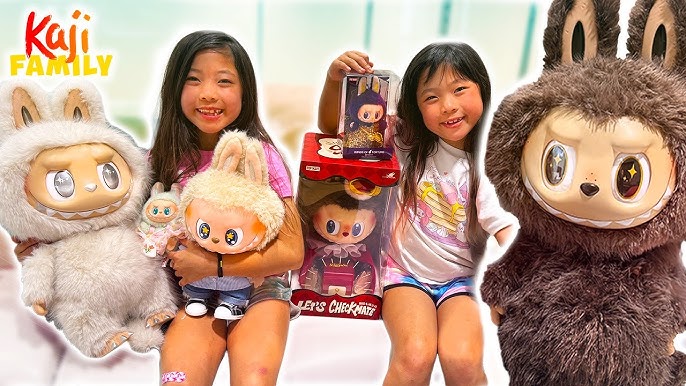
Labubu United States rose from a niche designer toy concept into a mainstream viral collectible through a combination of social media hype, blind-box excitement, and strong visual identity. Originally created as part of the Pop Mart designer universe, Labubu quickly gained attention for its mischievous expression and unique fantasy-inspired look. In the U.S. market, it became more than a toy—it turned into a cultural symbol for Gen Z collectors who value rarity and aesthetic-driven products. The rise was not accidental but fueled by online communities, influencer marketing, and scarcity-based product drops that created constant demand and conversation around each release.
Pop Mart Expansion into the United States
The expansion of Pop Mart into the United States played a crucial role in making Labubu a recognizable designer icon. The brand strategically entered major cities with pop-up stores, vending machines, and curated retail experiences that emphasized discovery and surprise. Instead of traditional toy marketing, Pop Mart positioned Labubu as an art collectible rather than a simple figure. This shift allowed American audiences to view it as part of modern designer culture. Limited releases and themed collections further increased anticipation, helping Labubu become a centerpiece in Pop Mart’s global strategy and establishing a strong foothold in the competitive U.S. collectible market.
The Role of TikTok and Social Media Virality
TikTok and Instagram were major drivers behind Labubu’s explosive popularity in the United States. Short-form videos showing unboxing experiences, blind-box reactions, and shelf displays quickly went viral, attracting millions of views. Users enjoyed the unpredictability of opening a box and discovering which version of Labubu they had received. This created a trend cycle where viewers wanted to participate and share their own experiences. Influencers and collectors amplified the hype by showcasing rare figures, creating a sense of urgency and exclusivity. As a result, Labubu became not just a collectible but a social media content trend that constantly refreshed its popularity.
Blind Box Culture and the Element of Surprise
Blind box culture is one of the strongest reasons Labubu succeeded in the United States. Buyers never know which version of the figure they will receive, which creates excitement, anticipation, and repeat purchases. This system taps into behavioral psychology, where uncertainty increases engagement and emotional reward. Collectors often buy multiple boxes in hopes of completing a set or finding rare variants. In the U.S. market, this approach feels similar to trading cards or mystery packs, making it highly familiar and addictive. Labubu benefited directly from this model, turning simple purchases into a game-like collecting experience that keeps fans continuously invested.
Celebrity Influence and Pop Culture Integration
Celebrity influence helped push Labubu further into mainstream recognition in the United States. When influencers, musicians, and fashion personalities began displaying Labubu figures in photos or room setups, it elevated the toy’s status from niche collectible to lifestyle accessory. Social media followers quickly adopted similar aesthetics, using Labubu as part of room decor, fashion styling, and content creation backgrounds. This integration into pop culture blurred the line between toy and art object. As more public figures embraced designer toys in general, Labubu naturally benefited from the trend, becoming a recognizable symbol of modern collectible culture in urban lifestyle spaces.
Collector Market and Resale Value Growth
The collector market significantly contributed to Labubu’s viral status in the United States. Limited editions and rare variants often sold out quickly, leading to strong resale demand on secondary marketplaces. Some figures increased in value within days of release, encouraging both collectors and resellers to participate actively. This resale ecosystem created additional hype, as people saw Labubu not only as a fun collectible but also as a potential investment. Online forums and groups formed around tracking drops, pricing trends, and trading opportunities. The combination of scarcity and resale potential made Labubu a highly dynamic and competitive collector’s item in the U.S. scene.
Design Appeal and Emotional Connection
One of the strongest reasons behind Labubu’s popularity is its distinctive design and emotional appeal. The character’s slightly eerie yet cute expression creates a unique visual identity that stands out among typical designer toys. This balance of charm and mystery resonates with collectors who prefer expressive, story-driven figures. In the United States, where design-driven consumer culture is strong, Labubu fits perfectly into aesthetic-focused lifestyles. Fans often describe feeling a personal connection to the character, as if it carries personality and emotion. This emotional attachment transforms Labubu from a simple product into a meaningful collectible experience.
Community Fandom and Online Collecting Culture
The Labubu community in the United States has grown into a strong online fandom where collectors share, trade, and showcase their collections. Social platforms like Reddit, TikTok, and Instagram are filled with dedicated posts featuring display shelves, custom setups, and unboxing reactions. This sense of community strengthens engagement and encourages new collectors to join. Fans often help each other identify rare editions or upcoming releases, creating a cooperative yet competitive environment. The shared excitement around drops and events keeps the community active year-round. Labubu’s success is deeply tied to this passionate collector base that continuously drives its visibility.
Retail Strategy and U.S. Market Positioning
Pop Mart’s retail strategy in the United States played a major role in Labubu’s viral success. Instead of traditional toy distribution, the brand focused on experiential retail, including automated vending machines, pop-up installations, and visually immersive stores. These environments encouraged discovery and interaction, making purchasing feel like an event rather than a transaction. Strategic placement in malls and urban centers helped attract young consumers and tourists alike. The scarcity-driven release schedule also ensured consistent buzz around new drops. This approach positioned Labubu as both a collectible and an experience, strengthening its identity in the competitive U.S. retail landscape.
Future of Labubu in Global Collectible Culture
The future of Labubu in the United States looks closely tied to the continued growth of designer toy culture. As more consumers seek unique, LABUBU Box aesthetic-driven collectibles, Labubu is well positioned to remain relevant. Expansion into collaborations, themed series, and digital integration could further strengthen its presence. The brand’s ability to maintain scarcity while expanding availability will be key to sustaining long-term interest. In a market driven by trends and social media cycles, Labubu has already proven its ability to adapt and grow. Its future will likely involve deeper cultural integration and continued evolution as a global designer toy icon.