
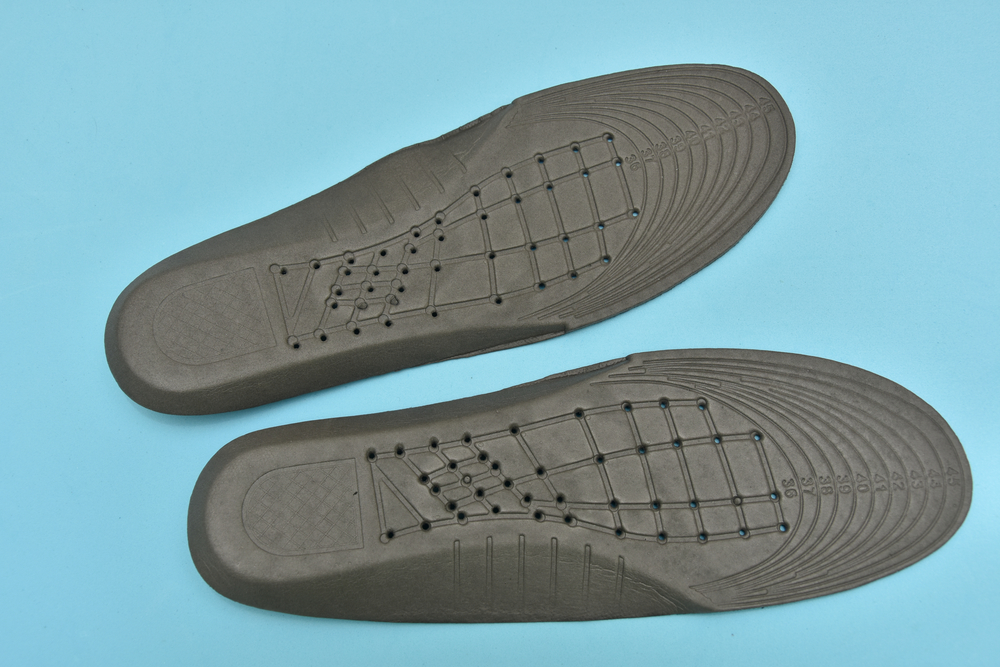
A few years ago, most people bought shoes for appearance first and comfort second. If the design looked good, the rest was considered manageable. That mindset has changed quietly, almost without people noticing. Today, comfort is no longer treated like a bonus feature in footwear. It has become part of the expectation.
You can see it everywhere. Office workers changing into softer shoes during long shifts. Travellers prioritising comfort over fashion. Younger buyers reading material specifications before purchasing sneakers. Even casual footwear now comes with terms related to cushioning, pressure relief, and support technology.
At the centre of this shift sits one material that has gained enormous attention in recent years: memory foam insoles for shoes.
The reason is simple. People spend a huge portion of their lives standing, walking, commuting, waiting, climbing, and moving across hard surfaces. The body feels that repetition eventually. Comfortable footwear is no longer about indulgence. It is about reducing everyday fatigue.
Modern Life Has Changed the Way Feet Experience Pressure
Most urban lifestyles involve constant foot impact. Concrete floors, tiled offices, shopping centres, airports, public transport stations, factories, classrooms, parking areas. Hard surfaces dominate modern movement.
The average person may take thousands of steps daily without thinking much about it. But the feet notice.
Pressure builds gradually through:
- Heel impact
- Arch strain
- Toe compression
- Long standing hours
- Repeated walking cycles
Without proper support inside the shoe, the body absorbs more stress than it should. Over time, discomfort begins spreading beyond the feet into ankles, knees, hips, and lower back.
This is exactly where cushioning technology started becoming a major part of footwear design.
Why Foam Technology Became So Important
Traditional shoe padding often focused only on softness. The problem is that softness alone does not guarantee comfort. Foam that compresses too quickly can actually create instability and fatigue.
Modern foam engineering focuses on balance:
- Cushioning
- Pressure distribution
- Shape recovery
- Breathability
- Long-term resilience
Memory foam became popular because it responds differently from conventional cushioning materials. Instead of resisting pressure completely, it adapts to the shape and movement of the foot.
That adaptive quality changed how people experienced comfort inside shoes.
The Rise of Personalised Comfort
One interesting thing about feet is that no two people walk exactly the same way. Weight distribution differs. Walking posture differs. Pressure points differ. Some people place more force on the heel, others on the forefoot.
Standard flat insoles cannot always respond effectively to those differences.
This is why memory foam insoles for shoes became increasingly attractive in modern footwear. The foam adjusts according to individual pressure patterns rather than forcing every foot into the same fixed structure.
For many users, the first noticeable difference is immediate:
- Reduced heel stress
- Softer landings while walking
- Better support during standing
- Less stiffness after long hours
It feels subtle at first. Then difficult to go without.
Comfort Is Becoming a Lifestyle Requirement
There was a time when comfort footwear was mostly associated with athletes or older adults. That perception has changed completely.
Today, comfort-focused footwear is popular among:
- Corporate professionals
- College students
- Frequent travellers
- Retail workers
- Fitness enthusiasts
- Remote workers
- Daily commuters
People want shoes that work across long, unpredictable days. Modern schedules rarely involve sitting comfortably in one place for hours anymore.
That is why footwear brands increasingly focus on cushioning technologies rather than appearance alone.
Understanding How Memory Foam Works
Memory foam reacts to body heat and pressure. When weight is applied, the material compresses gradually and conforms to the shape of the foot. Once pressure is removed, it slowly returns to its original form.
This creates two major advantages:
- Better pressure distribution
- Reduced concentrated stress points
Here is a simple comparison:
| Feature | Standard Insole | Memory Foam Insole |
| Cushion Adaptability | Limited | High |
| Pressure Distribution | Uneven | More balanced |
| Long-Wear Comfort | Moderate | Improved |
| Shape Recovery | Faster wear | Better resilience |
| Foot Contouring | Minimal | Personalized feel |
The difference becomes especially noticeable during extended walking or standing.
Why Walking Feels Different in Better-Cushioned Shoes
Walking comfort is not just about softness underneath the foot. It is about how the entire movement cycle feels.
Every step generally follows three stages:
- Heel strike
- Midfoot transition
- Toe push-off
Quality cushioning helps smooth these transitions. Instead of harsh impact, the movement feels more controlled and fluid.
This is one reason memory foam shoes became highly popular in both casual and performance footwear categories. The foam creates a more forgiving walking experience, especially on hard urban surfaces.
People often describe the sensation in surprisingly emotional terms:
- “Feels lighter”
- “Less tiring”
- “Easier on my feet”
- “Comfortable even after hours”
Those reactions are rarely accidental. They come from better impact management.
Breathability Matters More Than Most Realise
One overlooked part of footwear comfort is temperature control.
Feet naturally generate heat during movement. Poor airflow inside shoes creates warmth and moisture buildup, which affects comfort quickly. Modern foam technologies now focus heavily on airflow and ventilation alongside cushioning.
Open-cell foam structures improve:
- Air circulation
- Moisture management
- Long-hour wearability
- Overall freshness inside the shoe
Comfort is physical, but it is also environmental. A shoe that traps heat rarely feels comfortable for long.
Modern Consumers Are Becoming Material-Aware
Today’s buyers ask smarter questions than before. They want to know what goes inside products, not just how products look from outside.
That shift is visible across multiple industries. Consumers now pay attention to:
- Foam density
- Cushion durability
- Ergonomic support
- Material resilience
- Breathability
This growing awareness explains why advanced cushioning materials continue gaining popularity in modern footwear markets.
Quick Signs of Good Footwear Cushioning
| What To Check | Why It Matters |
| Cushion Recovery | Indicates durability |
| Pressure Relief | Reduces walking fatigue |
| Arch Comfort | Supports balance |
| Breathability | Prevents overheating |
| Shape Retention | Maintains long-term comfort |
Small details inside the shoe often shape the entire experience outside it.
Foam Innovation Beyond Footwear
Interestingly, advanced foam technology is no longer limited to footwear alone. Material innovation now influences furniture, transportation, insulation, and acoustic engineering as well.
Foam applications today support comfort, airflow, pressure absorption, and structural performance across industries. Whether it is cushioning inside footwear or supportive materials like sofa foam used in seating systems, the broader focus remains the same: creating better everyday comfort through smarter material design.
The science behind comfort has become surprisingly sophisticated.
Conclusion
The growing popularity of memory foam insoles for shoes reflects a larger shift in how people think about everyday comfort. Footwear is no longer judged only by appearance or trend appeal. People want shoes that reduce fatigue, support movement naturally, and remain comfortable throughout long days. From adaptive cushioning to improved pressure distribution, memory foam continues changing the way modern footwear feels in real life.
As foam technology keeps evolving across industries, companies like Sheela Foam remain connected to the wider conversation around advanced comfort materials, durability, and smarter cushioning solutions for everyday living.