There is no single nationwide statistic that tells us exactly how many buyers cancel a purchase specifically because of a home inspection. However, recent housing research provides useful insight into how frequently inspections influence real estate transactions.
According to Zillow’s 2026 Consumer Housing Trends Report, 69% of buyers said their final offer included a home inspection contingency. This shows that inspection findings remain an important part of the homebuying process.
Redfin surveyed 443 real estate agents who had handled canceled transactions. Among those agents, 70.4% identified inspection or repair issues as a reason deals fell through. This figure describes the reasons reported by agents handling cancellations, not the percentage of all buyers who cancel after an inspection.
The National Association of REALTORS® reported that 6% of contracts were terminated during the three-month period covered by its May 2025 REALTORS® Confidence Index. Those terminations included multiple causes, not just inspection problems.
The important takeaway is that inspection findings can contribute to canceled transactions, but most inspection reports do not automatically end a sale.
7 Reasons Buyers Back Out After a Home Inspection
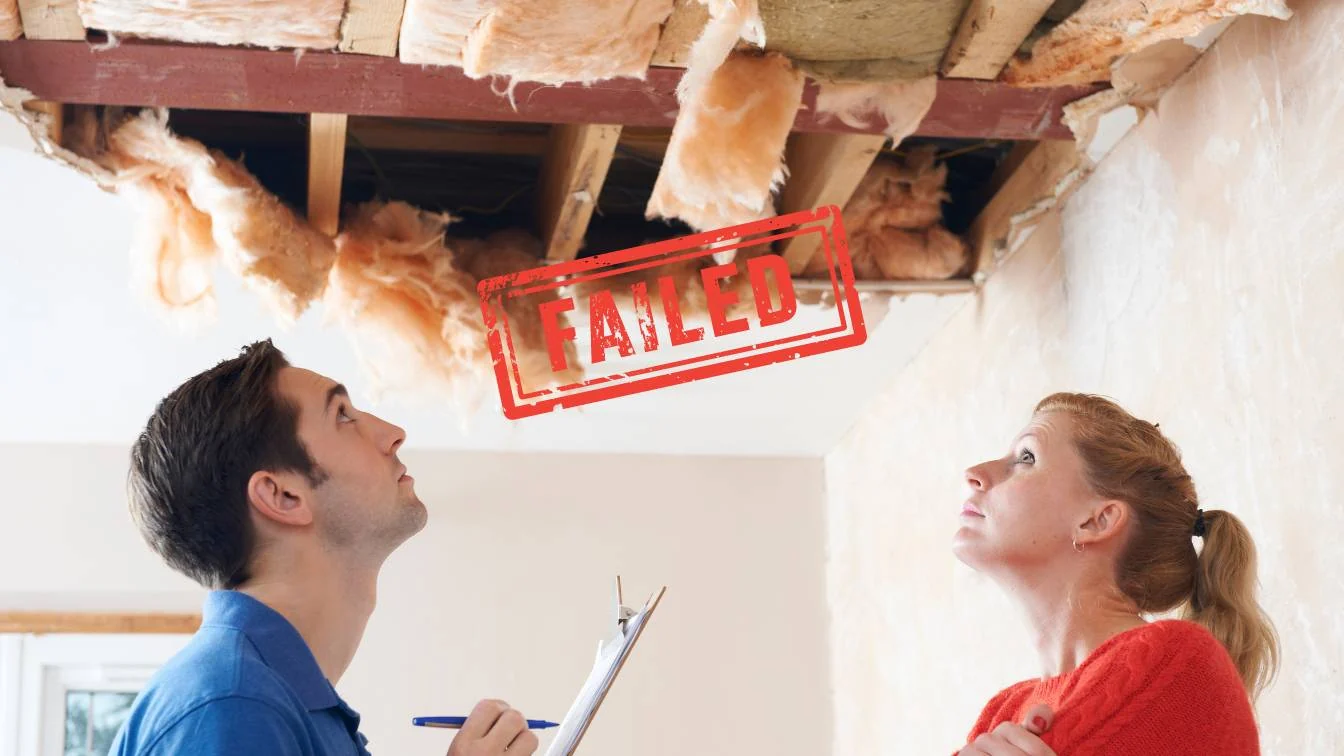
Buyers may reconsider a purchase when an inspection reveals problems that significantly affect the property’s safety, condition, or expected ownership costs.
1. Major Structural Problems
Foundation cracks, significant settlement, damaged support structures, and other structural concerns can create uncertainty about a property’s long-term stability.
These problems may require engineering evaluations and expensive repairs. Buyers who are not prepared for the potential costs may decide to withdraw if their contract allows it.
2. Roof Damage or Replacement Needs
A roof inspection may reveal active leaks, deteriorated shingles, damaged flashing, or other conditions that require repairs.
Roof replacement can represent a substantial expense. In Florida, roof condition may also affect insurance eligibility and underwriting decisions, making this issue particularly important to buyers.
3. Mold and Moisture Concerns
Evidence of water intrusion, persistent dampness, or visible mold-like growth can make buyers question the property’s maintenance history.
Some buyers may request additional moisture evaluations or professional mold assessments before deciding whether to proceed.
4. Electrical and Plumbing Defects
Unsafe electrical conditions, outdated components, leaking pipes, damaged water heaters, and plumbing failures may require professional repairs.
Buyers may become concerned when these problems affect safety, reliability, or the cost of maintaining the home.
5. Termite or Wood-Destroying Organism Damage
Termites and other wood-destroying organisms can damage framing, flooring, and other structural materials.
If a WDO inspection identifies active activity or evidence of damage, buyers may request treatment records, repairs, or additional evaluations before proceeding.
6. Septic, Sewer, or Drainage Problems
For homes with private septic systems, an inspection may reveal damaged components, poor drainage, or other concerns requiring further evaluation.
Sewer line blockages, damaged pipes, and drainage problems can also create unexpected expenses. Buyers may request specialized inspections to understand the extent of the issue.
7. Expensive Repairs and Insurance Concerns
Sometimes the problem is not one major defect but several smaller issues that collectively create a significant repair budget.
In Florida, buyers may also need to consider roof condition, wind mitigation features, four-point inspection findings, and insurance requirements when evaluating a property.
When the expected costs become greater than the buyer anticipated, reconsidering the purchase may seem more practical.
Does Every Home Inspection Problem Give Buyers a Reason to Cancel?
No. A home inspection report is intended to provide information about a property’s observable condition, not to create a list of automatic reasons to terminate a purchase.
Minor issues such as loose cabinet handles, cosmetic paint defects, worn fixtures, and ordinary maintenance concerns generally do not carry the same weight as significant structural, safety, or water intrusion problems.
Depending on the contract, buyers and sellers may have several options:
- Proceed with the purchase: The buyer accepts the property’s condition.
- Request repairs: The buyer asks the seller to correct specific defects.
- Negotiate a price adjustment: Both parties discuss a revised purchase price.
- Request a seller credit: The seller agrees to a permitted financial concession.
- Obtain additional evaluations: Specialists investigate concerns identified during the inspection.
- Terminate the contract: The buyer exercises a valid contractual cancellation right, if available.
The best option depends on the inspection findings, negotiations, and the purchase agreement.
Can a Buyer Back Out After a Home Inspection in Florida?
Florida buyers should pay close attention to the exact language of their purchase contracts.
Under commonly used Florida AS IS Residential Contracts, the inspection period provides the buyer with a contractual opportunity to inspect the property and, subject to the agreement’s terms and deadlines, terminate during that period in the buyer’s sole discretion.
However, not every real estate contract provides identical cancellation rights. Other contract forms may establish different inspection obligations, deadlines, and remedies.
Buyers should also understand that an inspection period is not necessarily an unlimited right to cancel after the deadline has passed.
Sellers should carefully review notices, deadlines, and contractual obligations with their real estate professionals. Buyers who are uncertain about their legal rights should consult a Florida real estate attorney.
How Sellers Can Reduce the Risk of Buyers Backing Out
Although sellers cannot control every buyer decision, preparation can make a real difference.
- Schedule a pre-listing inspection. Having the home inspected before putting it on the market can reveal visible problems that might otherwise surprise a buyer.
- Address important repairs. Prioritize safety concerns, active leaks, electrical defects, roof problems, and other significant maintenance issues.
- Maintain service records. Keep receipts, permits, warranties, and documentation for completed repairs and system maintenance.
- Disclose known property issues appropriately. Honest communication can help establish realistic expectations and reduce misunderstandings.
- Make the home accessible for inspection. Clear access to the attic, electrical panel, HVAC equipment, plumbing areas, and other accessible components.
- Respond reasonably to inspection findings. Discuss significant defects with your real estate agent and evaluate repair requests based on their scope and cost.
Taking these steps before listing can help sellers prepare for buyer questions and potentially reduce avoidable transaction delays.
Why a Professional Home Inspection Matters Before Selling
A pre-listing inspection gives homeowners an opportunity to understand the visible condition of their property before a buyer conducts an inspection.
It can identify concerns involving roofing, electrical systems, plumbing, HVAC equipment, moisture, and other accessible components. Specialized services may also be appropriate depending on the property’s age, construction, and features.
Guardian Angel Inspections Inc. is a family-owned and operated home inspection company based in Royal Palm Beach, Florida, serving Central and South Florida.
The company provides home inspection services to help buyers, sellers, and property owners make more informed decisions about their properties. Identifying visible concerns before listing can give sellers more time to evaluate repairs and prepare documentation.
Whether you are selling an older home, preparing a newly constructed property for a warranty inspection, or purchasing a home in Florida, a professional inspection can provide valuable information about its condition.
Conclusion
So, how often do buyers back out after inspection? There is no reliable universal percentage that isolates inspection-related cancellations across all real estate transactions. However, industry research confirms that inspection and repair issues are important contributors to canceled deals.
Major structural defects, roof problems, moisture damage, plumbing failures, termite activity, and expensive repairs can cause buyers to reconsider a purchase.
For sellers, the best approach is to prepare before listing, address significant maintenance concerns, and provide accurate information about the property. For buyers, a professional inspection helps identify potential problems before making a major financial commitment.
A little preparation before a home goes under contract can help reduce surprises, support smoother negotiations, and give both parties greater confidence throughout the real estate transaction.