
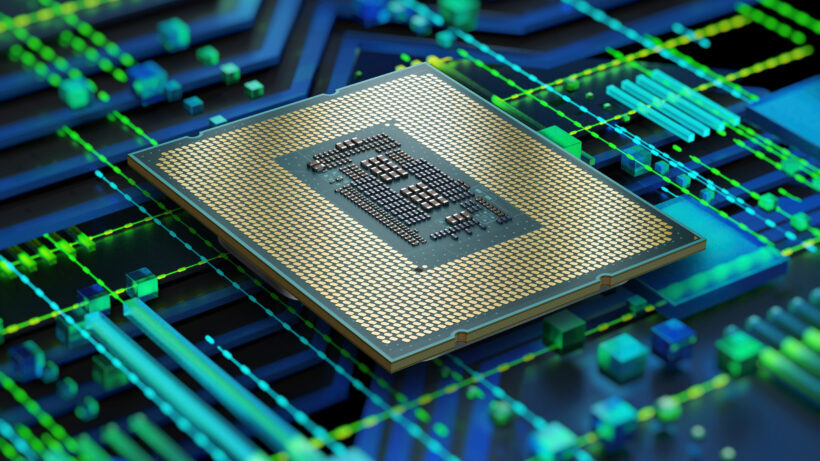
In today’s rapidly evolving digital landscape, computer processors stand at the core of every computing system. Whether it’s enterprise-grade servers, personal computers, or mobile devices, processors are responsible for executing instructions, managing workloads, and ensuring seamless performance. As businesses increasingly rely on efficient IT hardware to handle complex operations, understanding computer processors becomes essential for making informed technology decisions.
Computer processors, commonly known as CPUs (Central Processing Units), are the brains behind all computing devices. From handling basic calculations to running advanced enterprise applications, they define how efficiently a system performs. In the broader ecosystem of computer hardware, processors play a crucial role in determining speed, scalability, and reliability.
What Are Computer Processors?
A computer processor is an integrated circuit designed to interpret and execute instructions from software applications. It performs arithmetic, logic, control, and input/output operations specified by the instructions. Every action you perform on a device—opening files, running applications, or browsing the internet—is processed by the CPU.
Modern computer processors are highly advanced, featuring multiple cores, threads, and intelligent caching mechanisms. These features allow them to handle multitasking, parallel processing, and high-performance workloads efficiently. In enterprise environments, processors are optimized to support virtualization, cloud computing, and large-scale data processing.
The Role of Processors in IT Hardware
Processors are a fundamental component of IT hardware infrastructure. They directly impact system performance, energy efficiency, and operational scalability. In enterprise environments, the choice of processor can influence everything from application speed to data center efficiency.
High-performance computer processors are essential for:
Data centers handling massive workloads
Virtualization environments running multiple virtual machines
Cloud computing platforms requiring scalable processing power
Business applications demanding real-time processing
When organizations invest in IT hardware, selecting the right processor ensures optimal performance and long-term reliability. A well-chosen CPU reduces bottlenecks and enhances the overall efficiency of computer hardware systems.
Types of Computer Processors
Computer processors are designed for different use cases, ranging from personal devices to enterprise systems. Understanding these types helps businesses and individuals choose the right solution.
Desktop Processors
Desktop processors are designed for personal computers and workstations. They offer a balance between performance and cost, making them ideal for general computing, content creation, and gaming.
Server Processors
Server processors are built for enterprise-level workloads. These computer processors are optimized for reliability, scalability, and continuous operation. They support features like error-correcting memory (ECC), higher core counts, and multi-socket configurations.
Laptop Processors
Laptop processors are designed for mobility and energy efficiency. Unlike desktop CPUs, they consume less power while still delivering reliable performance. Modern laptop processors are capable of handling business applications, multitasking, and even high-performance workloads in portable devices.
Laptop processors play a critical role in today’s remote work environment, enabling professionals to maintain productivity without compromising performance.
Key Components of a Processor
Understanding the internal architecture of computer processors helps in evaluating their performance capabilities. Key components include:
Cores and Threads
Cores are individual processing units within a CPU. More cores allow a processor to handle multiple tasks simultaneously. Threads enable each core to execute multiple processes, improving multitasking efficiency.
Clock Speed
Clock speed, measured in GHz, determines how fast a processor can execute instructions. Higher clock speeds generally result in better performance, although other factors also play a role.
Cache Memory
Cache memory stores frequently used data for quick access. Larger cache sizes reduce latency and improve overall system performance.
Thermal Design Power (TDP)
TDP indicates the amount of heat a processor generates. Efficient processors with lower TDP consume less power and require less cooling, making them ideal for energy-conscious IT hardware environments.
Performance Factors in Computer Processors
When evaluating computer processors, several factors influence their performance:
Workload Type
Different workloads require different processing capabilities. For example, data analytics and virtualization demand high core counts, while gaming and single-threaded applications benefit from higher clock speeds.
Architecture
Processor architecture determines how efficiently a CPU executes instructions. Modern architectures are designed to improve performance while reducing power consumption.
Compatibility with Computer Hardware
Processors must be compatible with other computer hardware components such as motherboards, memory, and storage systems. Compatibility ensures optimal performance and system stability.
Computer Processors in Enterprise Environments
In enterprise settings, computer processors are the backbone of IT infrastructure. Businesses rely on high-performance CPUs to run mission-critical applications, manage databases, and support virtualization platforms.
Enterprise-grade processors offer:
Enhanced reliability for continuous operation
Advanced security features to protect sensitive data
Scalability to handle growing workloads
Support for virtualization and cloud environments
Choosing the right processor for enterprise IT hardware is essential for maintaining operational efficiency and minimizing downtime.
Laptop Processors and Modern Mobility
The rise of remote work and mobile computing has increased the importance of laptop processors. These processors are designed to balance performance and energy efficiency, allowing users to work from anywhere without sacrificing productivity.
Modern laptop processors include features such as:
Integrated graphics for improved visuals
Power-efficient cores for extended battery life
AI-based performance optimization
Support for advanced connectivity options
Laptop processors are now powerful enough to handle tasks that were once limited to desktop systems, making them a key component of modern computer hardware.
Trends in Computer Processor Technology
The field of computer processors continues to evolve, driven by advancements in technology and increasing demand for performance.
Multi-Core and Parallel Processing
Modern processors feature multiple cores to handle parallel workloads efficiently. This trend is particularly important in enterprise IT hardware environments where multitasking is critical.
Energy Efficiency
Energy-efficient processors are becoming a priority as organizations aim to reduce operational costs and environmental impact.
AI and Machine Learning Integration
New computer processors are designed to support AI and machine learning workloads, enabling faster data analysis and intelligent decision-making.
Smaller Manufacturing Processes
Advancements in semiconductor manufacturing have led to smaller, more efficient processors with improved performance and lower power consumption.
Choosing the Right Computer Processor
Selecting the right processor depends on your specific needs and use case. Businesses and individuals should consider:
Performance requirements based on workload
Budget constraints and cost-effectiveness
Compatibility with existing IT hardware
Future scalability and upgrade options
For enterprise environments, investing in high-performance computer processors ensures long-term reliability and efficiency. For personal and mobile use, laptop processors provide a balance between performance and portability.
The Future of Computer Processors
The future of computer processors is shaped by innovation and growing demand for advanced computing capabilities. Emerging technologies such as quantum computing, edge computing, and AI-driven systems will further redefine the role of processors in IT hardware.
As computer hardware continues to evolve, processors will remain at the center of technological advancement, enabling faster, smarter, and more efficient systems.
Conclusion
Computer processors are the foundation of modern computing, powering everything from personal devices to enterprise IT infrastructure. Their role in IT hardware and computer hardware ecosystems cannot be overstated, as they directly impact performance, efficiency, and scalability.
Whether you are building a high-performance data center, upgrading business systems, or selecting laptop processors for mobile productivity, understanding computer processors is essential. By choosing the right processor, organizations and individuals can ensure optimal performance and stay ahead in an increasingly competitive digital world.