So, your old car has been sitting in the driveway for God knows how long, rego lapsed, dust gathering on the windscreen, and the neighbours giving you increasingly pointed looks. It happens more often than you’d think. Whether the registration ran out while the car was off the road, you inherited a vehicle that nobody got around to renewing, or the repair bill simply wasn’t worth it, selling an unregistered car in Sydney can feel like navigating a bureaucratic maze in thongs. But here’s the thing: it doesn’t have to be. If you’ve been searching for top cash for car Sydney services that actually take the hassle off your hands, you’re in the right place. This guide breaks down the entire process, step by step, so you can walk away with cash in your pocket and a clean conscience.
Understanding the Legal Landscape First
Before anything else, it pays to understand exactly where you stand legally when selling an unregistered vehicle in New South Wales. The good news? It’s perfectly legal to sell an unregistered car, you just need to tick a few boxes to make sure neither you nor the buyer ends up in hot water down the track.
What the Law Actually Says
Under NSW road rules, an unregistered vehicle cannot be driven on public roads, simple as that. However, it can be sold, transferred, or towed. The key distinction is between a car that’s being driven unregistered versus one that’s simply changing hands in an unregistered state. Transport for NSW allows private vehicle transfers without current registration, provided the proper transfer of ownership documentation is completed through Service NSW.
The seller is responsible for notifying Service NSW of the sale, and the buyer assumes all responsibility for the vehicle from that point forward. If you fail to lodge a Notice of Disposal, you could find yourself liable for fines or infringements racked up by the new owner, and nobody wants that kind of headache landing in their letterbox months after the fact.
Key Documents You’ll Need
Even without current registration, there’s a short list of paperwork that needs to be in order:
- Proof of Identity: A current driver’s licence is the standard here.
- Certificate of Registration: Even an expired one is useful; it proves ownership history.
- Odometer Reading: Required as part of the transfer documentation.
- Notice of Disposal: This is the critical one. Lodge it through Service NSW either online or in person to formally remove your name from the vehicle’s records.
If you’ve lost the title or the registration papers have gone walkabout, don’t panic. Service NSW can issue a replacement Certificate of Registration, and there are pathways to establish proof of ownership even if the paper trail is incomplete.
Getting Your Car Ready to Sell (Without Spending a Fortune)
Here’s where many sellers trip themselves up: they either overspend on getting the car “presentable” for a buyer who was never going to pay top dollar anyway, or they do absolutely nothing and wonder why offers are insultingly low. The sweet spot lies somewhere in between.
Be Honest About the Car’s Condition
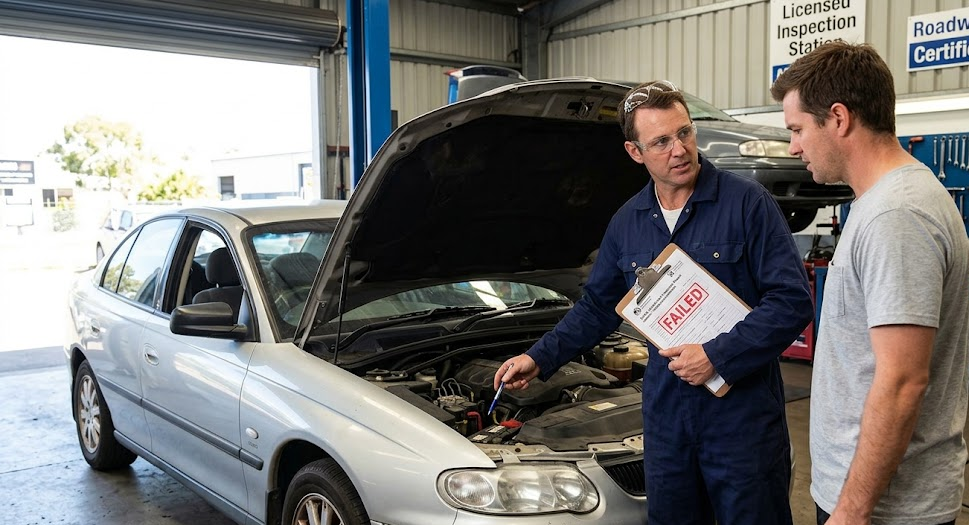
If the car doesn’t run, say so upfront. If there’s rust under the chassis, don’t try to dress it up. Buyers, especially cash car buyers and wreckers, have seen every trick in the book, and being caught out in a misrepresentation can torpedo a deal faster than anything. Transparency builds trust, and in this market, trust is currency.
That said, a basic clean-up costs nothing but elbow grease. Clear out the personal belongings, give the interior a vacuum, and wipe down the dash. You’re not trying to sell the Queen’s carriage, you’re just presenting something that says “the owner took reasonable care of this.”
Know What Your Car Is Actually Worth
Without current rego, your buyer pool narrows somewhat. Private buyers who plan to drive the car away immediately are off the table unless they arrange for it to be towed. This means your most likely buyers fall into one of three categories:
- Mechanics or traders who will re-register and on-sell the vehicle.
- Backyard restorers chasing a project car, particularly for older or classic makes.
- Cash car buyers and car removal services, who purchase vehicles regardless of condition or registration status.
Use online valuation tools as a baseline, but factor in the lack of rego, any mechanical issues, and the vehicle’s age. Unregistered vehicles typically sell for 10–20% less than their registered equivalents in private sales, but with the right buyer, you can still walk away with a genuinely fair result.
Choosing the Right Selling Method
Not all selling avenues are created equal, and the best option for you depends largely on how quickly you need the money, how much effort you’re willing to invest, and what condition the car is in.
Private Sale: Higher Return, More Legwork
Listing your car on Gumtree, Facebook Marketplace, or CarsGuide can yield a better financial return if the car has some genuine appeal: decent mechanicals, a popular make and model, or perhaps it’s a sought-after project car. Be upfront in your listing about the lack of registration and price accordingly. Expect to field a lot of tyre-kickers and negotiate firmly.
The downside? The logistics of transferring an unregistered vehicle can be complicated. The buyer will need to arrange their own towing or a moving permit to get the car home legally, which can put off otherwise interested parties.
Selling to a Wrecker or Parts Dealer
If the car is well and truly past its prime, maybe it’s been in a bingle, the engine is seized, or it simply has too many kilometres on the clock to be worth repairing, a wrecker might be your most pragmatic option. They’ll often take the car as-is, strip it for parts, and recycle the shell. The payout varies enormously depending on the make, model, and availability of parts, but it’s a clean, uncomplicated transaction.
Cash Car Buyers: The Path of Least Resistance
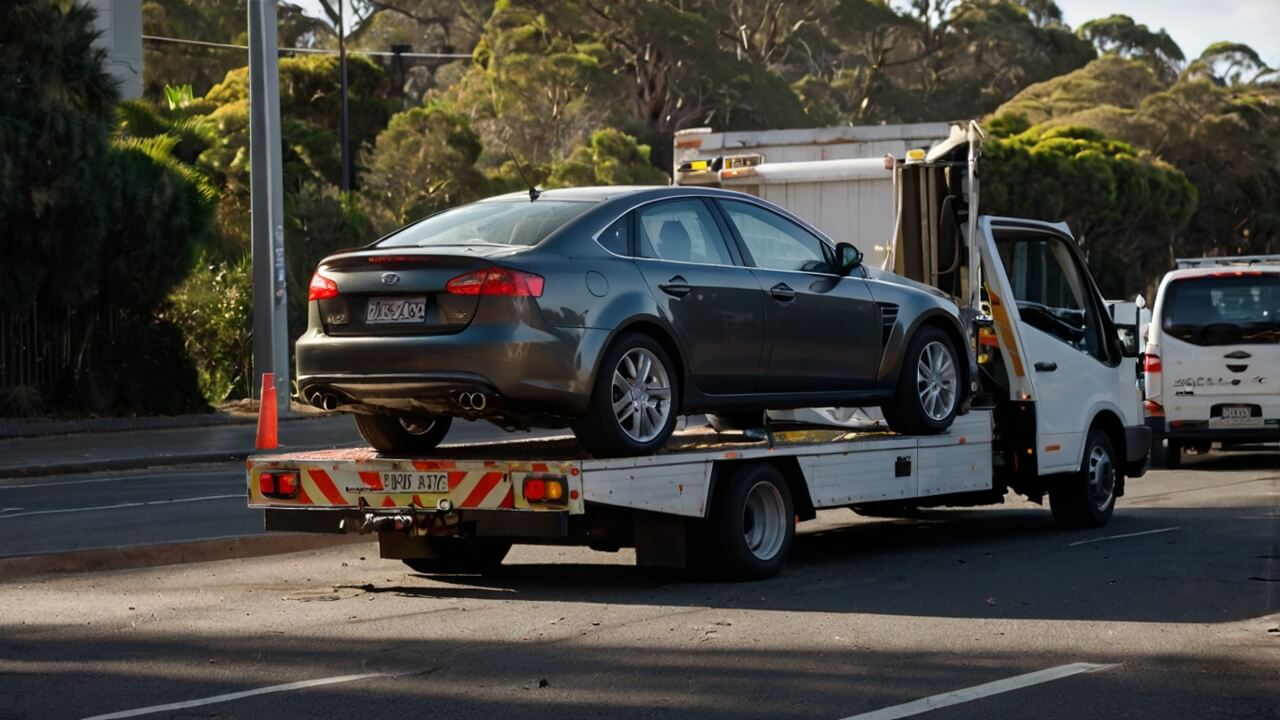
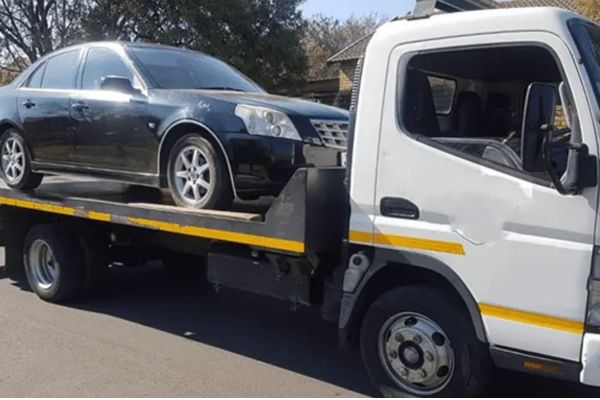
For most people sitting on an unregistered car in Sydney, a dedicated cash car buying service represents the most practical route. When looking for top car removal Sydney options, you’ll find services that offer free towing, same-day pickup, and instant payment, all without requiring you to lift a finger beyond making a phone call and signing a few forms. They deal with unregistered vehicles every single day, so the lack of rego is genuinely not an obstacle.
These services typically assess your vehicle over the phone or via a quick online quote, give you a figure, and if you accept, they come to you. No private sale negotiations, no waiting on a buyer to arrange a tow, no risk of a dodgy deposit bouncing. For cars that are damaged, non-running, or simply too old to have any meaningful resale appeal, this is almost always the most sensible choice.
Completing the Transfer: A Step-by-Step Walkthrough
Once you’ve agreed on a price and a buyer, the actual transfer process is refreshingly straightforward, provided you follow it through properly.
Step 1: Agree on Price and Arrange Logistics
Confirm the sale price in writing, even a text message thread or email exchange will do. If the car needs to be towed, establish who’s responsible for that cost upfront. With cash car buyers, towing is typically included. With private sales, it’s negotiable.
Step 2: Complete a Vehicle Transfer Form
Both buyer and seller need to complete the vehicle transfer documentation. This can be done through the Service NSW website or at a Service NSW centre. You’ll need the vehicle’s plate number or VIN, proof of identity for both parties, and the odometer reading at time of transfer.
Step 3: Lodge Your Notice of Disposal
This is the single most important step for the seller, and it’s the one that gets skipped most often. Log into your MyServiceNSW account or visit a Service NSW centre and lodge the Notice of Disposal as soon as the sale is complete. This formally removes your liability for the vehicle.
Step 4: Hand Over Any Existing Documentation
Give the buyer any paperwork you have: expired rego papers, service history, owner’s manual. It’s not legally required, but it’s a decent thing to do and will be appreciated.
Step 5: Collect Your Payment
For private sales, insist on cash or a bank transfer that clears before you release the vehicle. For cash car buyers, payment is typically made on pickup, either in cash or via bank transfer. Avoid accepting personal cheques or payment platforms with easy reversal options.
Common Pitfalls and How to Sidestep Them
Even a relatively simple process like this has a few landmines worth knowing about.
Forgetting to lodge the Notice of Disposal is easily the most common and costly mistake. Don’t assume the buyer will handle the transfer, that’s your responsibility as the seller, and Transport for NSW will hold you accountable if fines or tolls accumulate on a vehicle still registered in your name.
Not getting payment confirmation before releasing the car is another one that catches people out, particularly in the excitement of finally getting rid of a car they’ve wanted gone for months. Wait until funds clear or cash is in hand before the tow truck leaves your driveway.
Accepting a verbal offer without confirming in writing can lead to a buyer changing their terms at the last minute, often at the point of pickup when you’re least positioned to push back. Keep everything documented.
A Final Word: It’s Easier Than You Think
Selling an unregistered car in Sydney really isn’t the ordeal most people assume it will be. The legal framework is clear, the paperwork is manageable, and there are genuine buyers out there, from private enthusiasts to professional car removal services, who will pay fairly for a vehicle regardless of its registration status.
The key is going in prepared: know your legal obligations, be honest about the car’s condition, choose the right selling channel for your situation, and follow through on the paperwork. Do those things, and what seemed like an immovable eyesore in your garage becomes a surprisingly tidy sum of cash and a satisfying amount of freed-up space.
Sydney’s a big city with a constant appetite for used cars and parts. Even your old unregistered banger has value to someone, you just need to know where to look and how to navigate the process cleanly. Now you do.