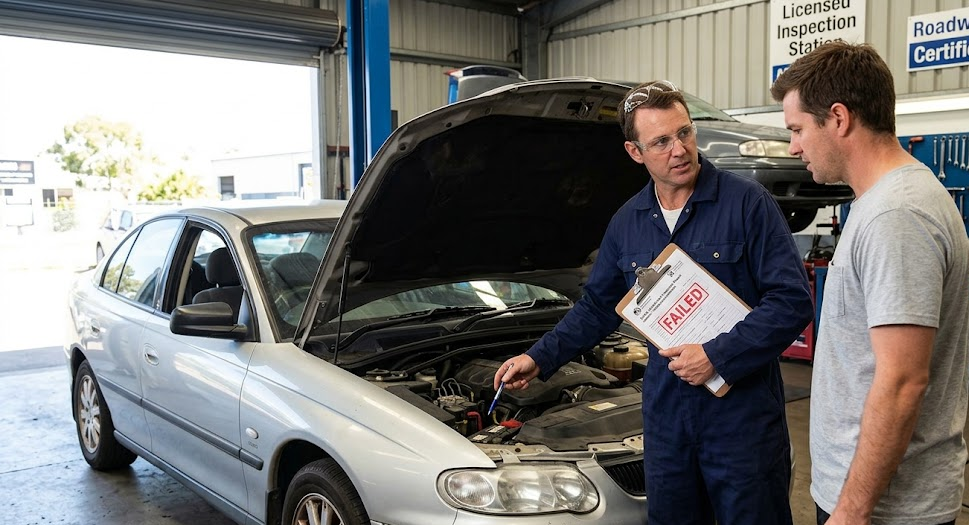
A car fails its roadworthy inspection when it does not meet the minimum safety standards set by the Queensland Department of Transport and Main Roads (TMR). This failure results in a rejection report detailing necessary repairs before a Safety Certificate is issued.
In Queensland, specifically across the Sunshine Coast, a Safety Certificate (formerly known as a Roadworthy Certificate or RWC) is a mandatory requirement for selling a vehicle, transferring registration, or re-registering an unregistered car. When a licensed inspector identifies defects, the vehicle is legally deemed “unroadworthy,” which prevents the completion of a sale or registration transfer.
The Roadworthy Inspection Process
A roadworthy inspection is a comprehensive safety check conducted by an Authorised Inspection Station (AIS). The inspection focuses on the vital components of the vehicle to ensure it is safe for public road use.
The process involves a qualified mechanic examining 7 primary areas:
- Tyres and Wheels: Tread depth, pressure, and structural integrity.
- Brakes: Efficiency of the foot brake and handbrake, including pad thickness.
- Steering and Suspension: Shock absorbers, bushings, and steering rack performance.
- Lights and Reflectors: Functionality of high beams, indicators, and brake lights.
- Body and Chassis: Detection of structural rust, cracks, or sharp edges.
- Windscreen and Windows: Visibility, chips, cracks, and wiper blade condition.
- Seatbelts: Tension, fraying, and locking mechanisms.
If every component meets the Queensland safety criteria, the inspector issues a Safety Certificate. If any part fails, the inspector provides a “Failure Report.”
5 Common Reasons Cars Fail the RWC
Cars fail roadworthy inspections for a variety of mechanical and structural issues. Identifying these early helps owners prepare for the financial implications of repairs.
- Worn Tyres: Tyres with less than 1.5mm of tread depth or uneven wear patterns result in an immediate fail.
- Wicked Windscreens: Large cracks or “bullseye” chips within the driver’s line of sight obstruct vision and compromise glass strength.
- Fluid Leaks: Significant oil, coolant, or brake fluid leaks indicate engine or hydraulic failure.
- Suspension Issues: Leaking shock absorbers or perished rubber bushes affect vehicle stability and handling.
- Blown Bulbs: Non-functional number plate lights or dim headlights are frequent, easily avoidable failure points.
The 14-Day Rule: Your Timeline for Repairs
The Queensland Department of Transport and Main Roads enforces a strict timeline for vehicles that fail their initial inspection. Owners have exactly 14 days to rectify the identified defects and present the vehicle for a re-inspection.
When a car fails, the following steps occur:
- Issuance of Rejection Report: The mechanic hands over a document listing every defect that requires attention.
- The Repair Window: You have 14 days from the date of the first inspection to fix the listed items.
- Re-inspection: The vehicle returns to the same inspection station. The mechanic verifies only the previously failed items.
- Final Certification: Once the repairs meet the standard, the Safety Certificate is issued.
Failure to complete repairs within this 14-day window results in the entire process resetting. This means you must pay for a full new inspection rather than a discounted re-inspection fee.
Financial Comparison: Repairing vs. Selling
Deciding whether to fix a car after a failed roadworthy depends on the vehicle’s market value versus the cost of parts and labour. In many cases, older vehicles require repairs that exceed their total resale value.
| Factor | Repairing the Vehicle | Selling “As Is” (Scrap/Cash Buyer) |
| Initial Cost | High (Parts, Labour, Re-inspection) | Zero |
| Time Investment | 1–2 weeks for parts and garage time | Same-day removal |
| Paperwork | Requires TMR submission | Minimal (Disposal notice only) |
| Market Value | Increases slightly | Fixed based on weight/parts |
| Risk | Hidden issues may appear during repair | No future liability |
For example, if a 2005 sedan fails due to a cracked chassis and a failing transmission, the repair bill might reach $4,000. If the car is only worth $3,500 in perfect condition, the owner incurs a financial loss by attempting to pass the RWC.
Situational Relevance: When to Walk Away
There are specific scenarios where a failed roadworthy signals that a vehicle has reached the end of its useful life. For residents on the Sunshine Coast, environmental factors like salty air can accelerate structural rust, a common RWC “dealbreaker.”
Situations where repair is often unfeasible include:
- Structural Rust: Rust in “load-bearing” areas like pillars or the chassis is often permanent or too expensive to weld safely.
- Economic Write-offs: When the sum of repairs (e.g., new tyres, brake rotors, and a steering rack) totals 70% or more of the car’s value.
- De-registered Vehicles: If a car has been sitting for 6 months, it likely needs more than just a simple service to pass, including new batteries and fuel system flushes.
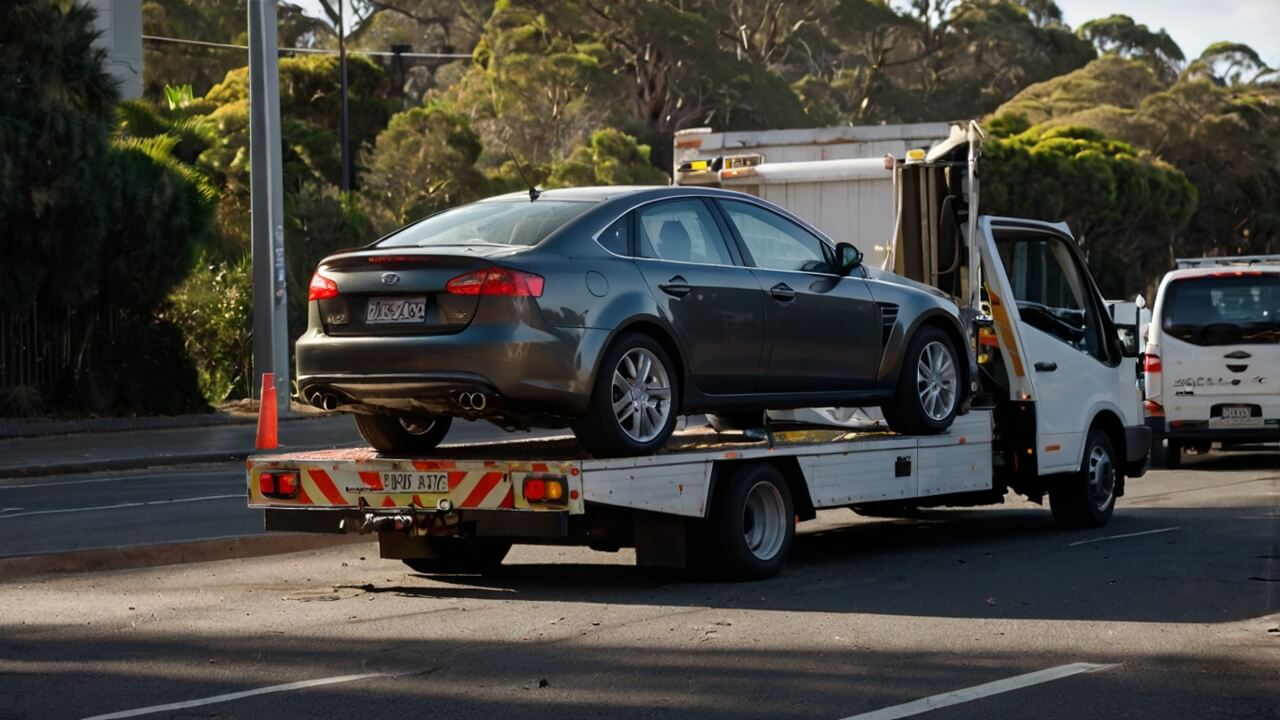
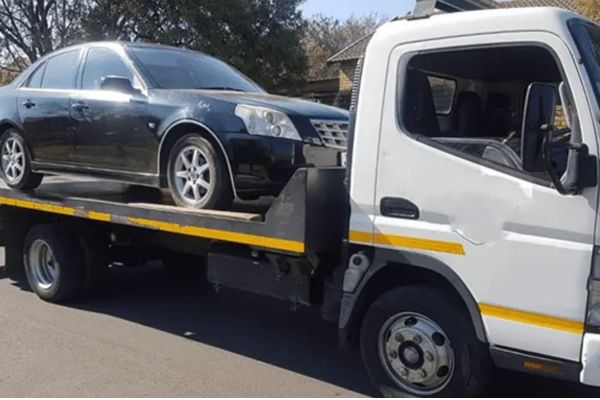
In these instances, continuing to invest in an “old bomb” is a sunk-cost fallacy. Many Sunshine Coast locals choose to bypass the stress of mechanics altogether. If your vehicle is too far gone to pass an inspection, services link Cash for Cars Sunshine Coast provide a practical solution. They purchase vehicles in any condition—failed roadworthy or not—and handle the removal for you, putting cash back into your pocket for a newer, safer upgrade.
Pros and Cons of Failing a Roadworthy
While a failure notice is frustrating, it serves a specific purpose in the Australian automotive ecosystem.
Pros
- Safety Assurance: It prevents dangerous vehicles from endangering the driver and other road users.
- Legal Protection: For buyers, it ensures they are not purchasing a “lemon” with hidden structural flaws.
- Maintenance Awareness: It highlights 5 or 6 minor issues you might have ignored, potentially preventing a breakdown.
Cons
- Immediate Expense: Repairs are often required urgently to meet the 14-day deadline.
- Sale Delays: You cannot legally transfer the rego to a new owner without the certificate.
- Stress: Finding a reliable mechanic who can fit you in for repairs within the fortnight is challenging.
Target Audience: Who Needs to Know This?
This information is critical for three specific groups of people in Queensland:
- Private Sellers: Individuals trying to sell their utes, SUVs, or sedans on platforms like Marketplace or Gumtree.
- Used Car Buyers: People who need to understand why a “bargain” car without an RWC is a massive financial risk.
- Interstate Movers: Drivers moving to the Sunshine Coast from NSW or VIC who must have their vehicle inspected to switch to QLD plates.
Summary of Action Steps
If your car just failed its inspection, do not panic. You have clear paths forward based on your budget and the vehicle’s condition.
- Review the Report: Read the specific failures. Are they simple (bulbs/wipers) or complex (engine/suspension)?
- Get a Quote: Ask the mechanic for a fixed price on the required repairs.
- Calculate the Value: Compare the repair quote to the car’s private sale value.
- Make the Call: If the repairs are under $500, fix it. If the repairs are in the thousands and the car is old, consider a professional car removal service.
A failed roadworthy is not the end of the world; it is simply a diagnostic tool. Whether you choose to invest in the repairs or trade the vehicle in for scrap value, understanding the TMR regulations ensures you stay on the right side of the law while protecting your bank account.