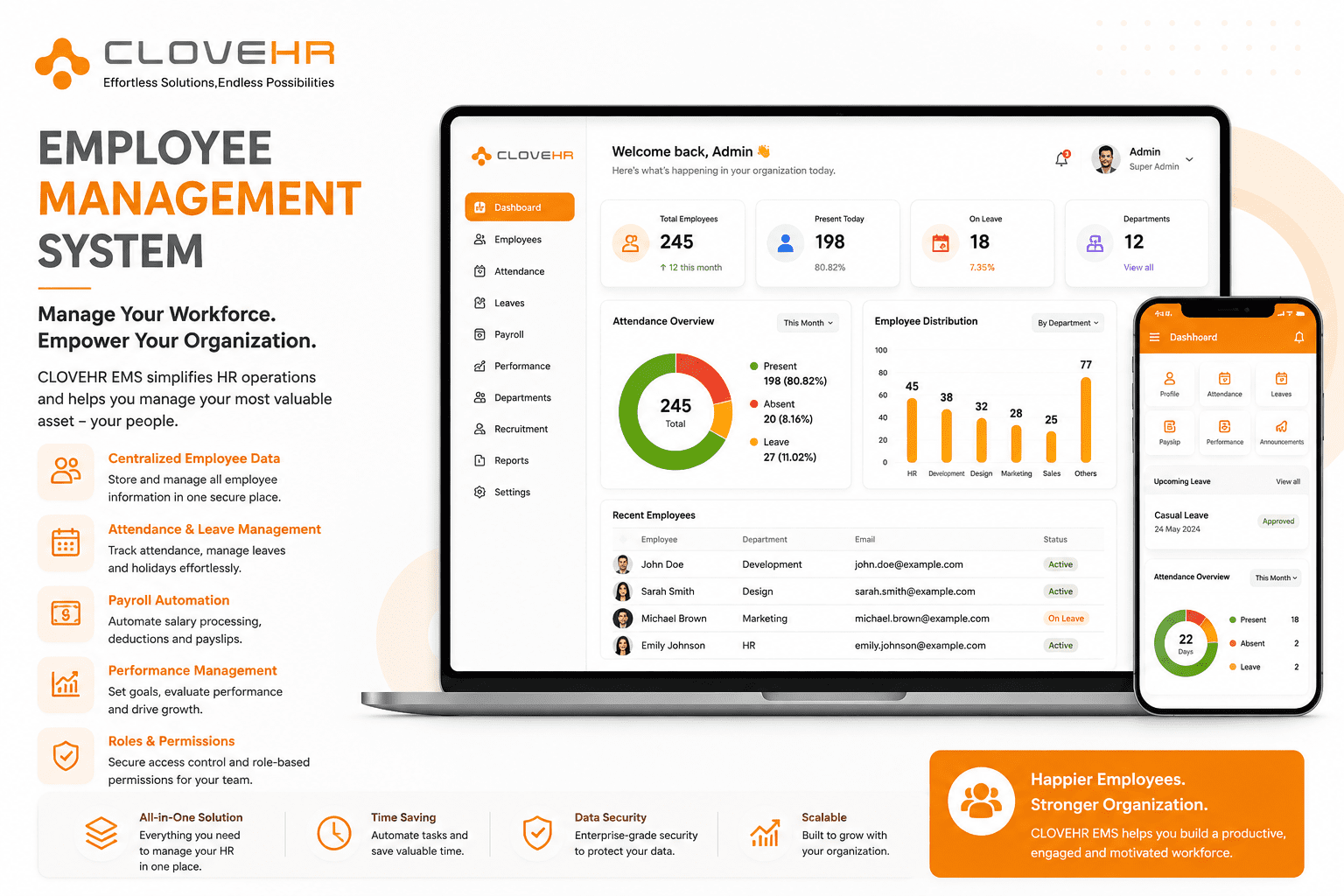

Quick Answer: What Is Payroll Automation?
Payroll automation is the use of software to automatically manage employee salaries, tax deductions, reimbursements, bonuses, statutory compliance, and payslip generation. It eliminates manual calculations, reduces payroll errors, and helps organizations process payroll faster and more accurately.
For businesses looking to improve efficiency and employee satisfaction, payroll automation has become an essential part of modern HR management.
Why Is Payroll Automation Important?
Payroll is one of the most critical functions in any organization. Employees expect accurate and timely salary payments, while businesses must comply with tax regulations and labor laws.
However, manual payroll management often creates challenges such as:
- Payroll calculation errors
- Delayed salary processing
- Compliance risks
- Data management issues
- Increased administrative workload
- Employee dissatisfaction
Payroll automation helps businesses overcome these challenges by streamlining the entire payroll process.
How Does Payroll Automation Work?
Payroll automation software collects and processes employee data from multiple sources, including:
- Attendance records
- Leave management systems
- Employee databases
- Reimbursement claims
- Tax information
- Compensation structures
The system automatically calculates salaries, deductions, taxes, bonuses, and other payroll components before generating payslips and payroll reports.
This reduces human intervention and improves payroll accuracy.
Top Benefits of Payroll Automation
1. Saves Significant Time
Manual payroll processing can consume several days every month.
Payroll automation allows HR teams to:
- Process payroll faster
- Reduce repetitive tasks
- Eliminate manual calculations
- Generate reports instantly
This enables HR professionals to focus on strategic workforce initiatives.
2. Improves Payroll Accuracy
Payroll errors can damage employee trust and create financial complications.
Automated payroll systems:
- Calculate salaries accurately
- Reduce spreadsheet errors
- Minimize duplicate entries
- Ensure consistent payroll processing
As a result, employees receive the correct salary every time.
3. Ensures Compliance with Regulations
Tax laws and labor regulations change frequently.
Payroll automation software helps organizations:
- Calculate statutory deductions
- Generate compliance reports
- Maintain audit-ready records
- Stay updated with regulatory changes
This reduces compliance risks and helps avoid penalties.
4. Enhances Employee Experience
Employees value transparency and accessibility.
Modern payroll solutions provide employee self-service portals where employees can:
- Download payslips
- View salary details
- Access tax documents
- Track reimbursements
- Update personal information
This creates a better employee experience and reduces HR queries.
5. Provides Real-Time Payroll Insights
Business leaders need payroll data to make informed decisions.
Payroll automation offers detailed analytics on:
- Payroll expenses
- Department-wise salary costs
- Tax liabilities
- Workforce trends
- Budget forecasting
These insights help organizations improve financial planning.
Common Payroll Challenges Solved by Automation
Challenge 1: Manual Data Entry Errors
Automated systems eliminate repetitive manual entries and reduce mistakes.
Challenge 2: Delayed Payroll Processing
Payroll workflows become faster and more efficient.
Challenge 3: Compliance Management
Automated updates help businesses stay compliant with changing regulations.
Challenge 4: Lack of Payroll Visibility
Real-time dashboards provide complete payroll transparency.
Challenge 5: Employee Payroll Queries
Self-service portals reduce dependency on HR teams.
Essential Features of Payroll Automation Software
When choosing payroll software, businesses should look for:
Automated Salary Processing
Automatically calculate salaries, deductions, bonuses, and overtime.
Attendance Integration
Sync attendance and leave data directly with payroll calculations.
Compliance Management
Manage taxes, PF, ESI, TDS, and other statutory requirements.
Employee Self-Service
Allow employees to access payroll information independently.
Payslip Generation
Generate and distribute payslips automatically.
Payroll Reporting
Access detailed payroll reports and analytics.
Cloud Accessibility
Manage payroll securely from anywhere.
Data Security
Protect sensitive employee information with advanced security measures.
Who Should Use Payroll Automation?
Payroll automation is beneficial for:
- Small Businesses
- Startups
- Mid-Sized Companies
- Large Enterprises
- HR Teams
- Finance Departments
- Remote and Hybrid Organizations
Any business looking to improve efficiency and reduce payroll complexity can benefit from payroll automation.
Payroll Automation vs Manual Payroll Processing
| Feature | Manual Payroll | Payroll Automation |
|---|---|---|
| Processing Time | High | Low |
| Error Rate | Higher | Minimal |
| Compliance Management | Manual | Automated |
| Reporting | Time-Consuming | Instant |
| Employee Access | Limited | Self-Service |
| Scalability | Difficult | Easy |
The comparison clearly shows why businesses are increasingly adopting payroll automation.
Future Trends in Payroll Automation
The future of payroll is becoming smarter with:
- AI-powered payroll processing
- Predictive payroll analytics
- Automated compliance updates
- Mobile payroll management
- Integrated HR and payroll ecosystems
- Payroll cost forecasting
Organizations adopting these technologies gain a competitive advantage through improved efficiency and workforce management.
Why Growing Businesses Should Invest in Payroll Automation
As organizations expand, payroll complexity increases.
Payroll automation helps businesses:
✔ Reduce administrative costs
✔ Improve payroll accuracy
✔ Maintain compliance
✔ Increase productivity
✔ Enhance employee satisfaction
✔ Scale operations efficiently
Investing in payroll automation is no longer just a technology upgrade—it is a strategic business decision.
Final Thought
Payroll automation is transforming how businesses manage employee compensation and compliance. By eliminating manual processes, organizations can improve accuracy, save valuable time, reduce compliance risks, and deliver a better employee experience.
As workforce management continues to evolve, payroll automation will remain a critical tool for businesses looking to streamline operations and support sustainable growth.
FAQs
Payroll automation is software that automatically manages salary calculations, deductions, tax compliance, payslips, and payroll reporting.
It eliminates manual calculations and repetitive administrative tasks, reducing payroll processing time significantly.
Yes. Small businesses benefit from improved accuracy, compliance, and reduced administrative workload.
Absolutely. Automated calculations and predefined rules help minimize human errors.
Yes. Most payroll systems automatically calculate taxes and generate compliance-related reports.
The main benefits include:
Time savings
Improved accuracy
Better compliance
Enhanced employee experience
Real-time payroll insights
Modern payroll systems use encryption, role-based access, and cloud security protocols to protect employee data.
Yes. Most advanced payroll solutions integrate seamlessly with attendance, leave, and HR management systems.