Introduction
There is a unique kind of excitement that comes with planning a quick getaway. Whether it is a coastal escape, a hinterland retreat, or a vibrant city staycation, the prospect of a few days away from the daily grind is always revitalising. However, for many of us, that excitement is often dampened by the dreaded task of packing. We stand before an empty bag, gripped by the “what if” scenarios that lead us to pack three different jackets for a two-day trip or five pairs of shoes for a single dinner reservation.
The art of packing a weekend bag lies in the delicate balance between being prepared and being weighed down. Overpacking doesn’t just make your luggage heavier; it adds unnecessary mental clutter to your trip. By learning the secrets to a smarter weekend trip bag, you can move through airports or load the boot of the car with ease, focusing on the experiences ahead rather than the zippers straining on your suitcase.
The Foundation of Smart Packing
The first secret to avoiding the overpacking trap is choosing the right vessel. For a two or three-night trip, a medium-sized duffel or a compact carry-on wheeler is usually more than enough. When you choose a smaller bag, you are forced to be more intentional about every item that makes the cut. It creates a physical limit that prevents you from throwing in “just one more thing” at the last minute.
Beyond your own wardrobe, smart packing often involves considering the specialised gear you might need if you are travelling with others. For instance, parents often find that bringing along Custom Baby Car Seat Covers can be a game-changer for maintaining comfort and cleanliness during a road trip, ensuring the journey is as smooth as the destination. This type of intentional preparation allows you to focus on high-utility items that serve a specific purpose, rather than generic fillers that rarely see the light of day once you arrive.
Curating Your Weekend Wardrobe
The biggest culprit of overpacking is almost always clothing. To pack a smarter bag, you need to think in terms of outfits rather than individual pieces. A helpful rule of thumb is the 5-4-3-2-1 method, adapted for a shorter stay. For a weekend, this might look like five pairs of socks and underwear, four tops, three bottoms, two pairs of shoes, and one versatile outer layer.
The Power of the Colour Palette
A professional traveller’s best friend is a cohesive colour palette. By sticking to neutrals like navy, black, grey, or beige, and adding one or two accent colours, you ensure that every top goes with every bottom. This modular approach allows you to create multiple looks from a handful of items. If you spill a coffee on your primary trousers, a versatile colour palette ensures your backup options still look put-together and intentional.
Layering Over Bulk
Instead of packing a heavy, bulky jumper that takes up half your bag, opt for thin, high-quality layers. A fine merino wool knit or a lightweight cardigan provides warmth without the volume. This is especially important for Australian travel, where temperatures can shift significantly between a sunny afternoon and a crisp evening. Layers allow you to adapt to the weather on the fly without needing a different outfit for every degree of temperature change.
Streamlining Your Toiletries
Toiletries are often the densest part of a bag. The secret here is downsizing everything. Most weekend trips do not require full-sized bottles of shampoo, conditioner, or moisturiser. Invest in high-quality, reusable travel containers and fill them from your primary bottles at home.
Consider multi-use products to save even more space. A tinted moisturiser with SPF can replace your foundation, sunscreen, and daily cream. A solid bar of soap or shampoo eliminates the risk of leaks and saves space in your liquid allowance if you are flying. Remember, most hotels and rentals provide the basics, so unless you have a specific medical need or a very strict skincare routine, you can likely skip the heavy hair products and body washes.
The “What to Skip” List
Knowing what to leave behind is just as important as knowing what to bring. Many of the items we consider “essentials” are actually burdens in disguise.
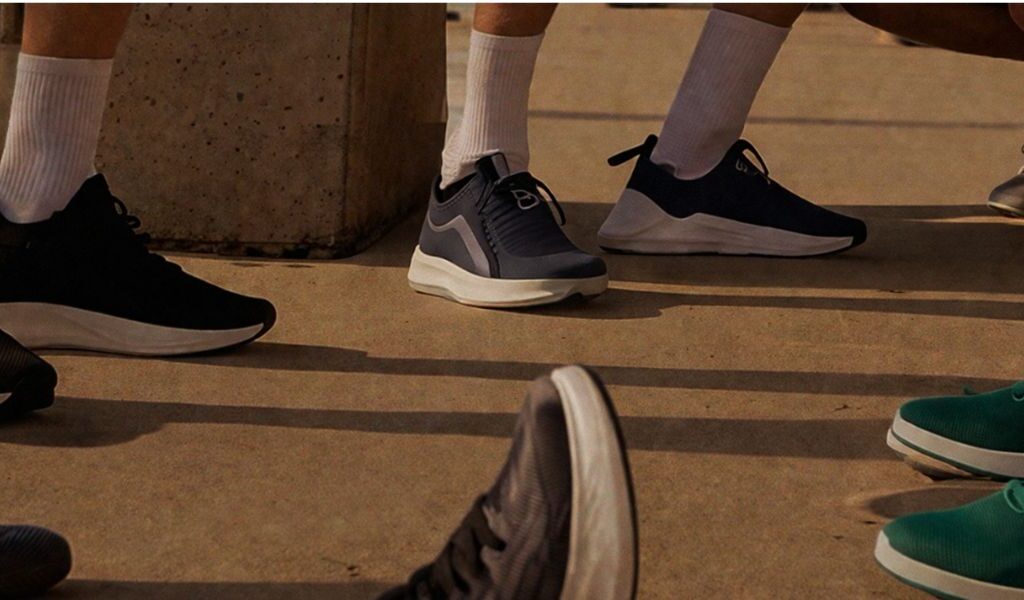
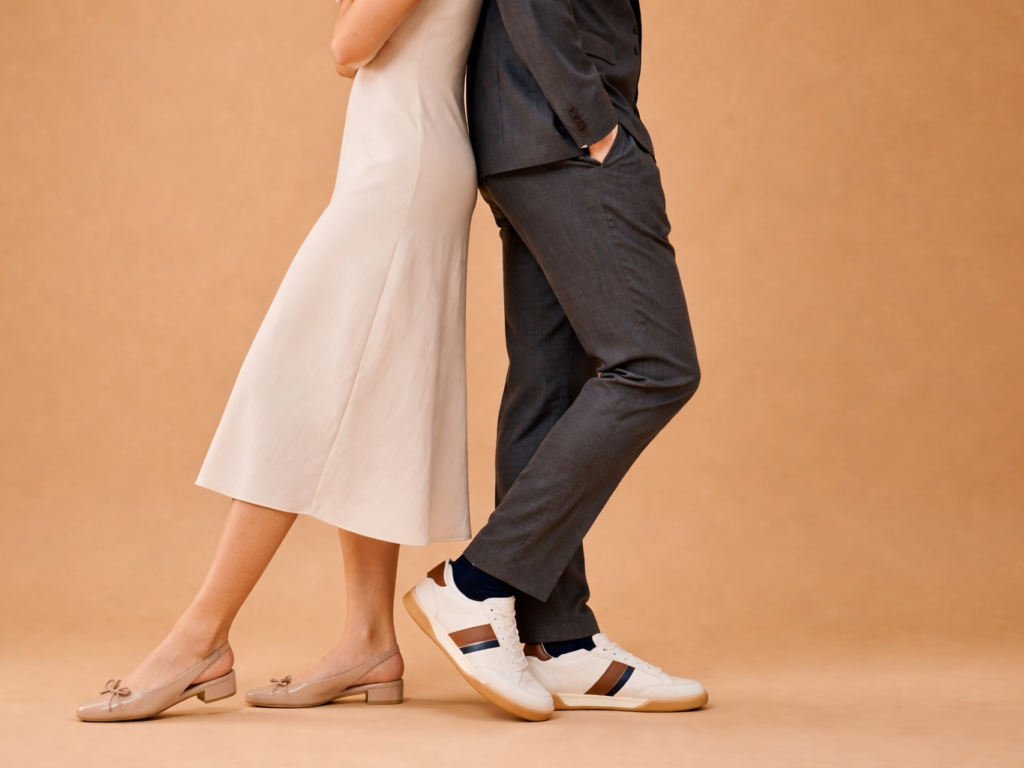
- Too Many Shoes: Shoes are heavy and awkward to pack. Aim for one comfortable pair for walking or travelling, and one slightly dressier pair for evenings out.
- Specialised Electronics: Unless you are a professional photographer or on a working holiday, your smartphone is likely sufficient for photos and entertainment. Leave the heavy laptop and the bulky DSLR camera at home.
- Hardcover Books: We all have grand visions of reading a masterpiece by the pool, but books are heavy. Switch to an e-reader or a single thin paperback to save significant weight.
- Excessive “Just in Case” Outfits: If you haven’t worn that specific dress in six months, you aren’t going to wear it this weekend. Trust your curated outfits and leave the “maybe” pile on the bed.
Master the Pack: Techniques for Space
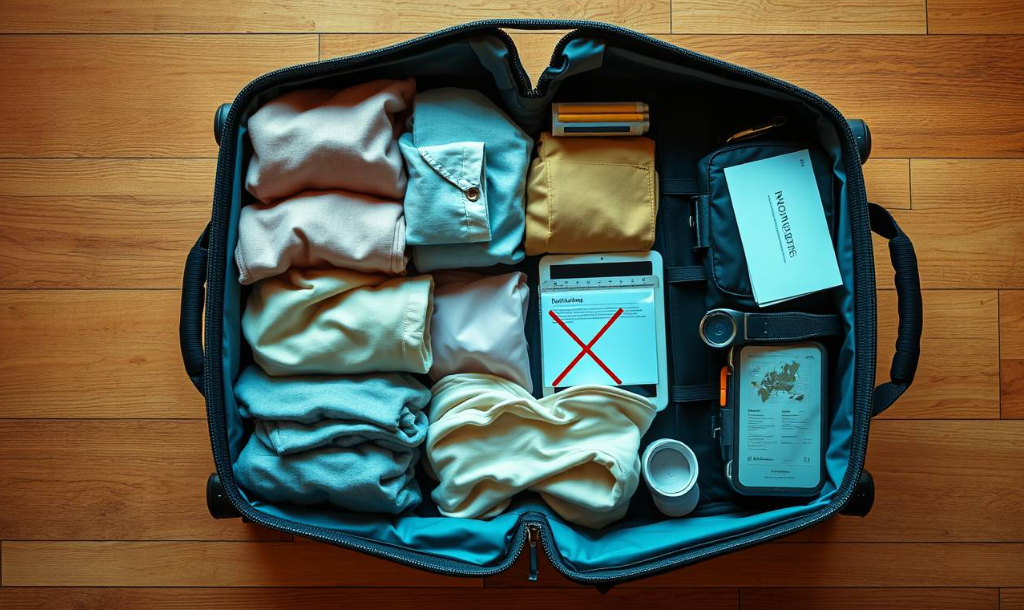
How you put items into the bag can be just as impactful as what you choose. Rolling your clothes instead of folding them is a classic tip for a reason—it compresses the fabric and prevents deep creases. For a weekend bag, rolling also allows you to see every item at a glance, so you don’t have to dig to the bottom to find a pair of socks.
Packing cubes are another secret weapon for the organised traveller. You can use one cube for clothing, one for underwear and gym gear, and another for cables and chargers. This keeps your bag tidy throughout the trip, making it easy to live out of your suitcase without creating a “clothes-nado” in your hotel room.
Conclusion
A smarter weekend bag is the hallmark of an experienced traveller. It represents a shift in mindset from “how much can I fit?” to “how little do I actually need to be happy?” By focusing on versatile clothing, streamlined toiletries, and smart organisation, you transform your travel experience. You become the person who breezes through the lobby while others are still wrestling with heavy zippers. Ultimately, the best thing you can take on a weekend trip isn’t an extra pair of jeans—it’s the freedom to move easily and enjoy every moment of your hard-earned break.
Read Also: Safe Crib Bedding Guide and Crib Bumper Safety Explained
FAQ
What is the best type of bag for a weekend trip?
A soft-sided duffel bag or a small carry-on suitcase (approx. 40-45 litres) is ideal for a two to three-day getaway. Soft bags are easier to squeeze into overhead bins or tight car boots, while wheeled bags are better if you have a long walk through a terminal.
How do I prevent my clothes from wrinkling in a small bag?
The best method is to roll your clothes tightly rather than folding them, as this avoids hard crease lines. For items like linen shirts, placing a piece of tissue paper inside the fold before rolling can further reduce friction and wrinkling.
Should I pack a separate bag for laundry?
Yes, always include a small, lightweight fabric bag or even a plastic grocery bag for your worn items. Keeping your dirty laundry separate from your clean clothes makes it much easier to unpack and stay organised once you return home.
Is it worth bringing a hair dryer on a weekend trip?
In most cases, no, as almost all hotels and modern holiday rentals provide a hair dryer as a standard amenity. If you have specific hair needs, call ahead to check the quality of the provided dryer before taking up valuable space in your bag.
How many pairs of shoes are truly necessary for a weekend?
Two pairs are generally the maximum needed: one versatile, comfortable pair for walking and one dressier pair for evenings. If you plan on exercising, you may need a third pair of lightweight trainers, but try to wear your bulkiest shoes during transit.
How do I handle liquids if I am only taking a carry-on bag?
All liquids must be in containers of 100ml or less and fit into a single clear, resealable plastic bag. Using solid toiletries like bar soap or solid perfume is a clever way to bypass these restrictions and save space.
What is the most common mistake people make when packing for a weekend?
The most common error is packing for “every possible scenario” rather than the actual weather forecast and planned activities. Checking the local weather 24 hours before you leave allows you to strip away the unnecessary layers and pack with confidence.