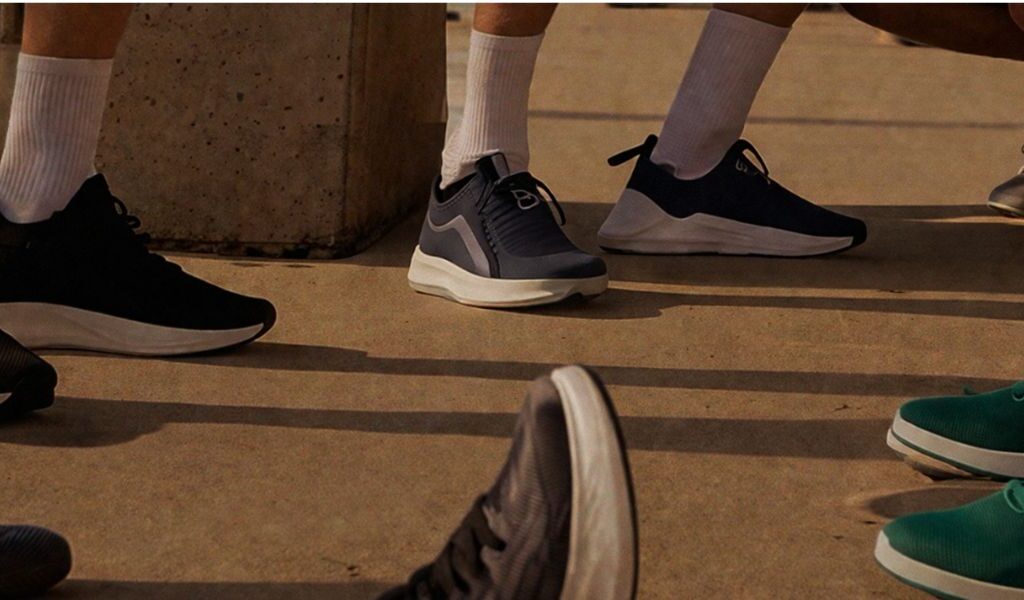
You squeeze the sole, it feels soft, you buy it. Three weeks later, your knees hurt, and your pace hasn’t moved.
Most runners pick shoes the same way they pick a mattress: press down, feel good, walk to the register. The problem is that a running shoe isn’t doing its job while you’re standing still in a store.
It’s doing its job at kilometre four when your form starts breaking down, or on a wet road where grip suddenly matters, or during a tempo run where every ounce of wasted energy shows up in your split times.
Comfort and performance aren’t the same thing in running footwear. Whether you’re searching for the best running shoes for men, sneakers for women, or just trying to figure out what’s actually worth buying, understanding what separates a comfort shoe from a performance one changes how you shop.
What Makes a Running Shoe Comfortable?
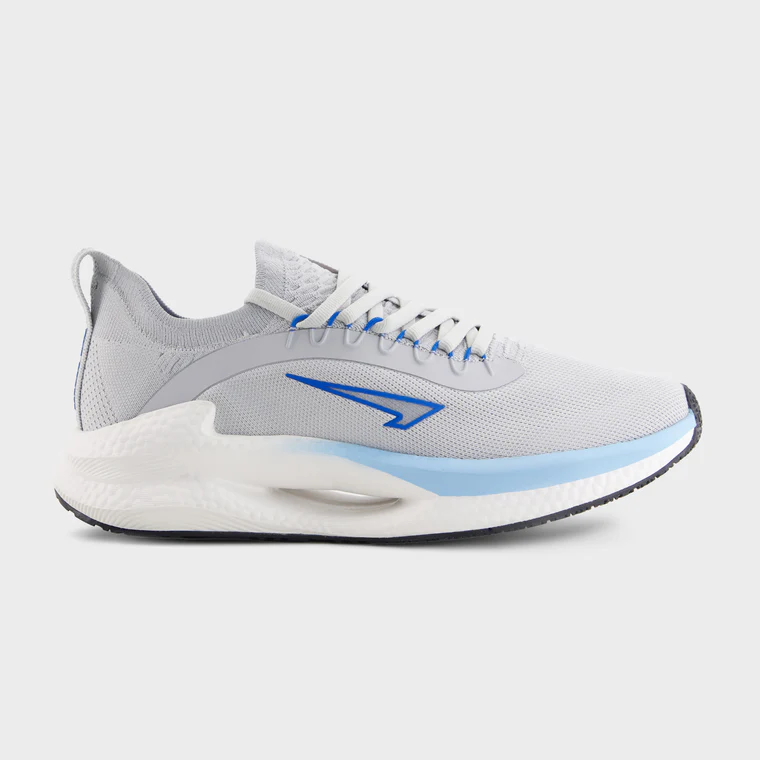
It starts with the foam. Most comfort-oriented shoes use EVA, a soft, lightweight material that compresses when your foot strikes the ground and takes the edge off the impact. Your joints feel less beat up after a long run. Recovery feels faster. The trade EVA offers is simple: absorb more, ask less of your legs.
The upper of these shoes tends to be knit or engineered mesh materials that move with your foot rather than holding it in a fixed shape. No stiff edges, no pressure points building up over an hour. Your foot settles in without fighting the shape.
The three materials doing most of the work in a comfort shoe:
- EVA midsole compresses on impact, reduces joint stress, and keeps the ride soft over longer distances
- Knit or mesh upper moves with the foot’s natural shape, preventing pressure points during extended wear
- Flexible rubber sole, low interference underfoot, light enough that you stop noticing it after the first kilometre
That works well for a lot of runners. It works especially well for anyone logging easy kilometres, building a base, or prioritising longevity over speed. If you’re browsing sneakers for men or women primarily for daily use and light running, this is the category worth spending time in.
What Performance Shoes Are Actually Built For
Performance shoes start from a different question entirely: how do we stop wasting energy?
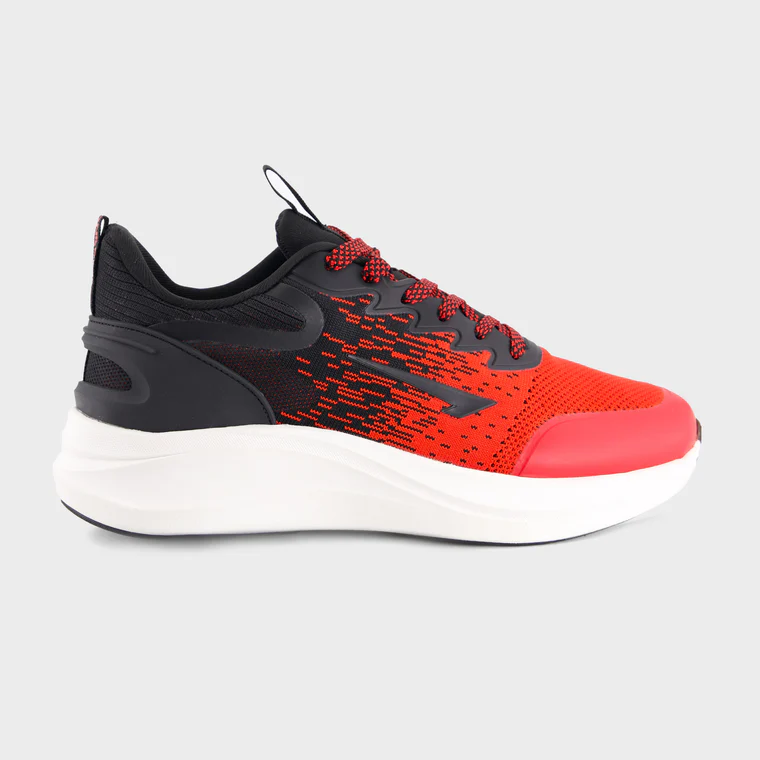
They use firmer foam, denser EVA blends or newer compounds that compress less and bounce back faster. You lose some of that plush, cloud-like feel underfoot. What you get instead is energy coming back to you on every stride rather than disappearing into the midsole. At an easy jog, the difference is subtle. At race pace, it’s significant.
The upper gets reinforced. TPU overlays thin strips of harder material bonded to the mesh, keeping your foot from shifting laterally during fast footwork. The heel counter is stiffer, designed to hold your foot’s position through the entire gait cycle. The outsole uses denser rubber with a patterned tread built for grip on roads and tracks.
These shoes feel different the moment you put them on. A little rigid, a little serious. You feel it the moment you lace them up.
The Trade-Off Nobody Talks About Honestly
Shoe design is a negotiation between competing properties, and nobody wins everything.
- Softer foam cushions the landing but bleeds energy on the next stride
- Stiffer foam returns that energy but puts more load on your legs over distance
- Mesh upper keeps the shoe light and breathable; TPU over it buys stability but loses the second-skin feel
- A lighter build reduces fatigue on long runs, but won’t absorb the mileage a heavier shoe can take
Shoe brands don’t advertise trade-offs. They advertise features. “Maximum cushioning AND energy return” sounds great on a box. In reality, a shoe optimised hard in one direction always gives something up in another. Knowing which trade-off matters least to you is more useful than chasing a shoe that claims it has solved all of them.
This applies whether you’re looking at premium running shoes in Pakistan or budget-friendly sports shoes; the same material trade-offs exist across every price point.
Where Most Runners Actually Land
The majority of recreational runners don’t need a shoe built for either extreme.
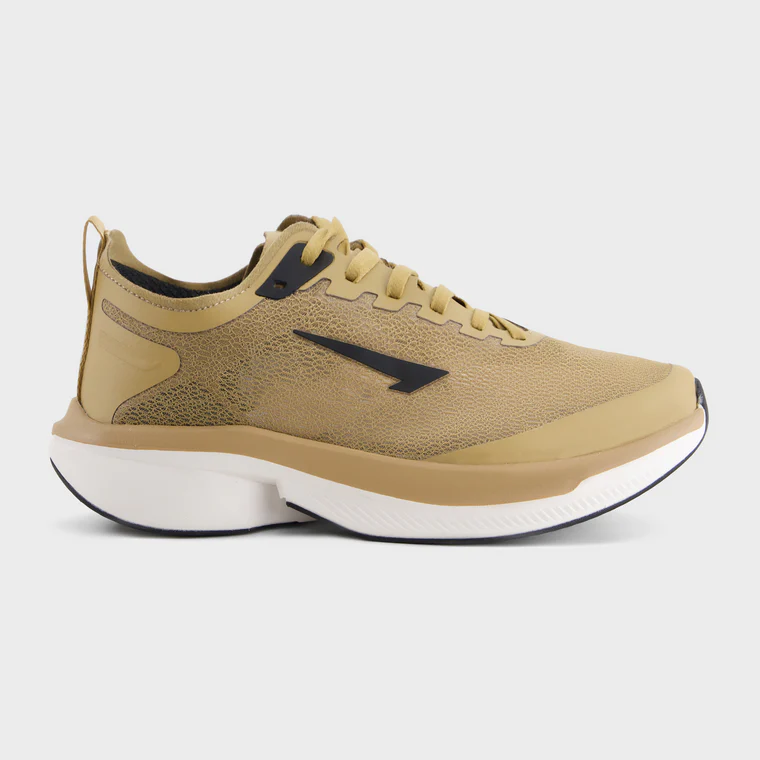
A moderate EVA midsole soft enough to cushion without being marshmallow-like, firm enough to return some energy, and handles most training scenarios without complaint. Mesh uppers with light reinforcement at the high-stress points give breathability without sacrificing lateral hold. A rubber outsole that grips without weighing the shoe down.
A shoe that handles most training weeks without becoming a problem. Most of the best sneakers in Pakistan that sit in the mid-range price bracket are built exactly along these lines: balanced construction, no extreme trade-offs, durable enough for consistent use.
Matching the Shoe to How You Run
Early on in running, the body is still adapting, joints absorbing load they haven’t handled before, and form is still inconsistent. A shoe that cushions well and moves freely does the most useful thing at that stage: it keeps things from hurting enough to quit.
For new runners looking at sports shoes or gym shoes for men, soft EVA and a breathable upper are the right starting point, not the most technical shoe on the shelf.
Once mileage builds and pace becomes part of the training, the shoe’s job changes. Threshold runs and long efforts at goal pace expose inefficiencies that a marshmallow midsole quietly hides. Firmer foam, a locked heel, grip that holds on wet tarmac, these start mattering in ways they didn’t before.
This is where investing in proper running shoes pays off, especially if you’re training regularly and need the best running shoes for men that can keep up with structured sessions.
For everyone in between weekend runs, occasional gym sessions, and no specific race on the calendar, the hybrid market exists for a reason. A lot of what gets marketed as sneakers for men in Pakistan sits comfortably in this space: versatile enough for the gym, the road, and everything in between.
Pick something in the middle, run in it for a few months, and let the wear pattern on the outsole tell you what your foot is actually asking for next time.
Quick Reference
| Feature | Comfort-focused | Performance-focused |
| Midsole | Soft EVA foam | Firm EVA / performance foam |
| Upper | Knit / engineered mesh | Mesh + TPU overlays |
| Outsole | Flexible rubber | High-abrasion patterned rubber |
| Heel counter | Minimal | Reinforced |
| Best for | Daily wear, long runs | Training, speed, outdoor terrain |
| Trade-off | Less energy return | Less cushioning softness |
Before You Buy
The best question to ask in a shoe store isn’t “Does this feel comfortable?” It’s “What am I going to be doing in this shoe six weeks from now?”
Comfort in your hand at the shelf and comfort at kilometre eight are two different things. So are the materials behind them. Buy for a kilometre eight, not for the thirty seconds you spend in the store.